HUMAN
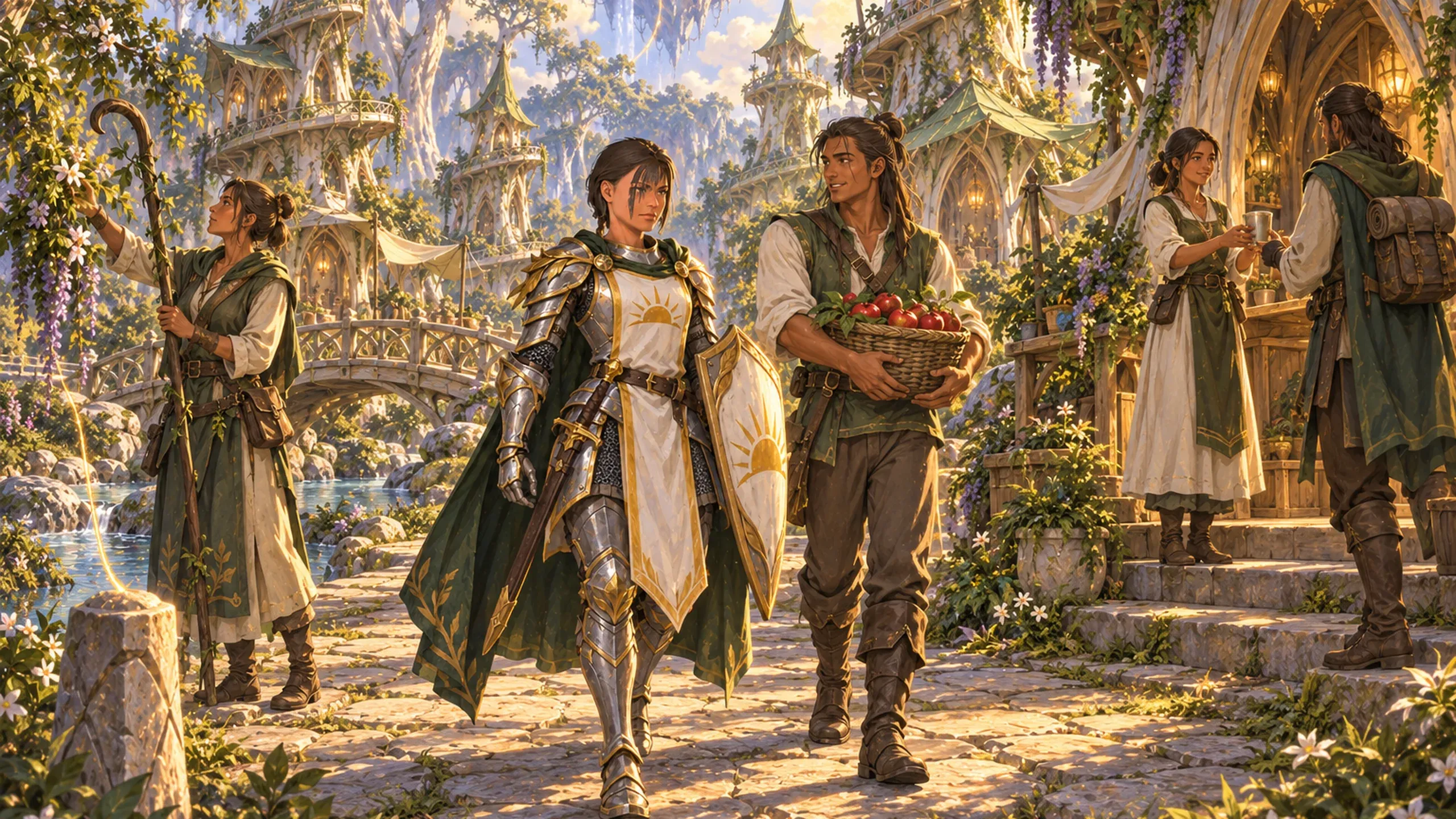
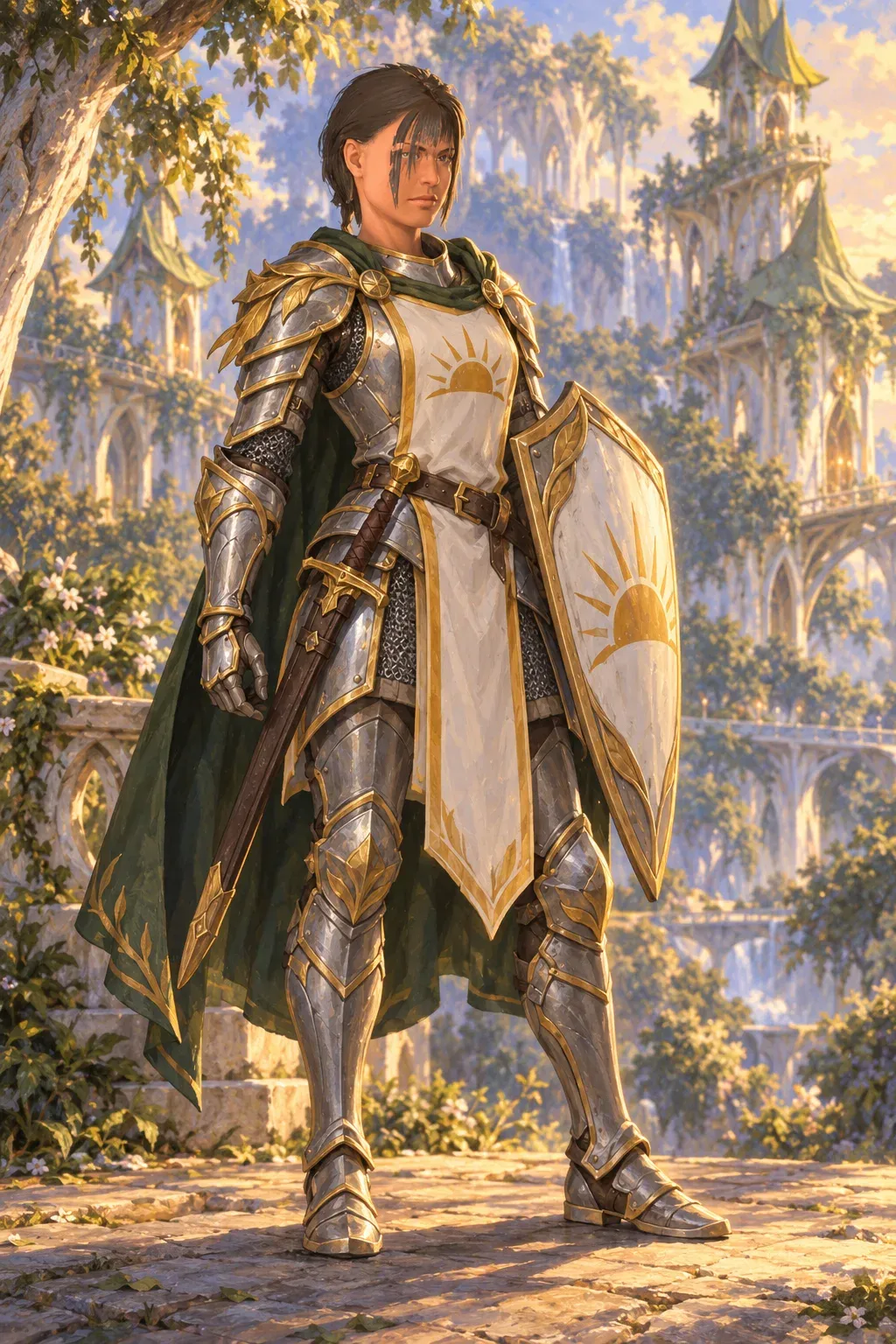
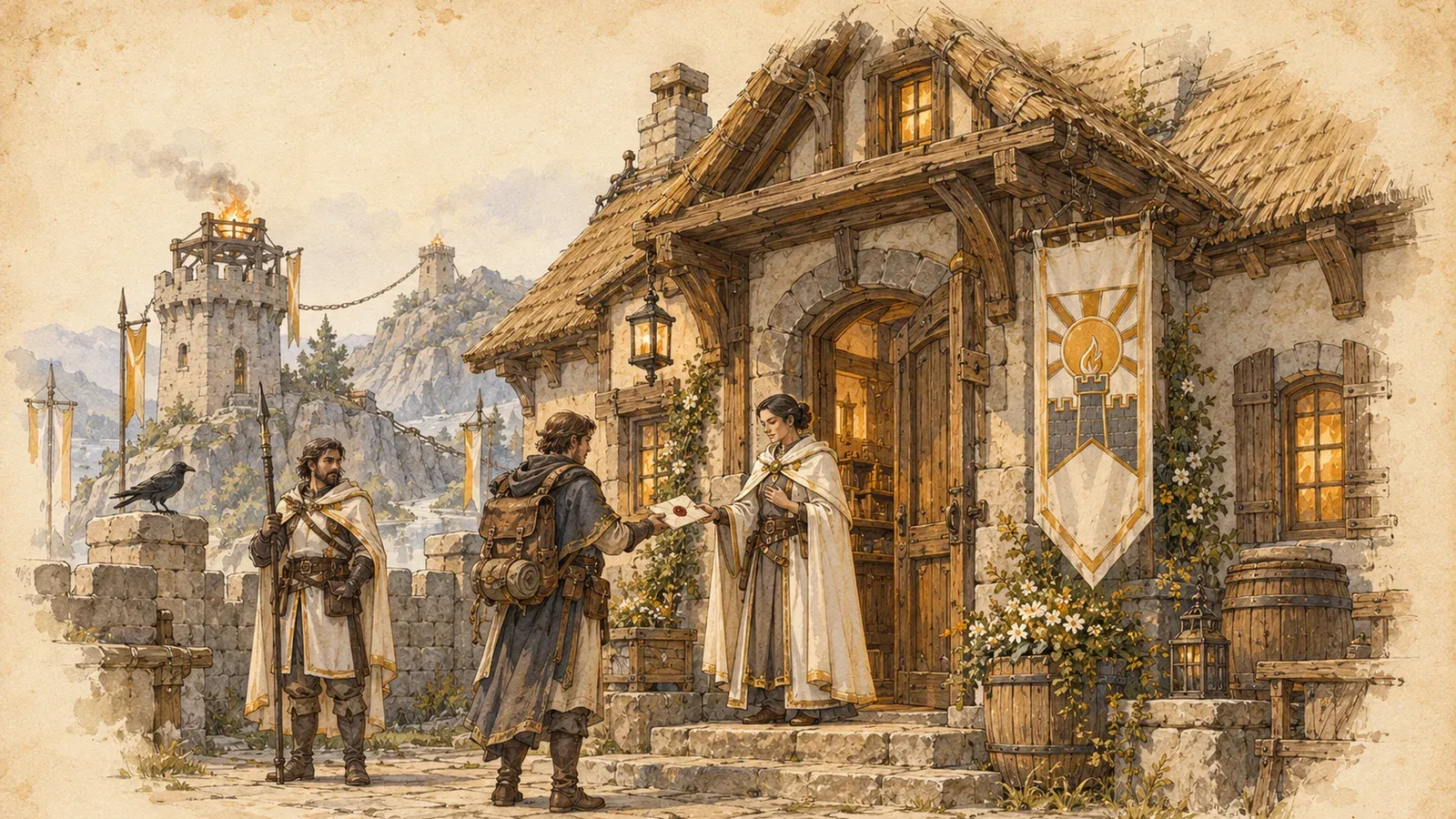
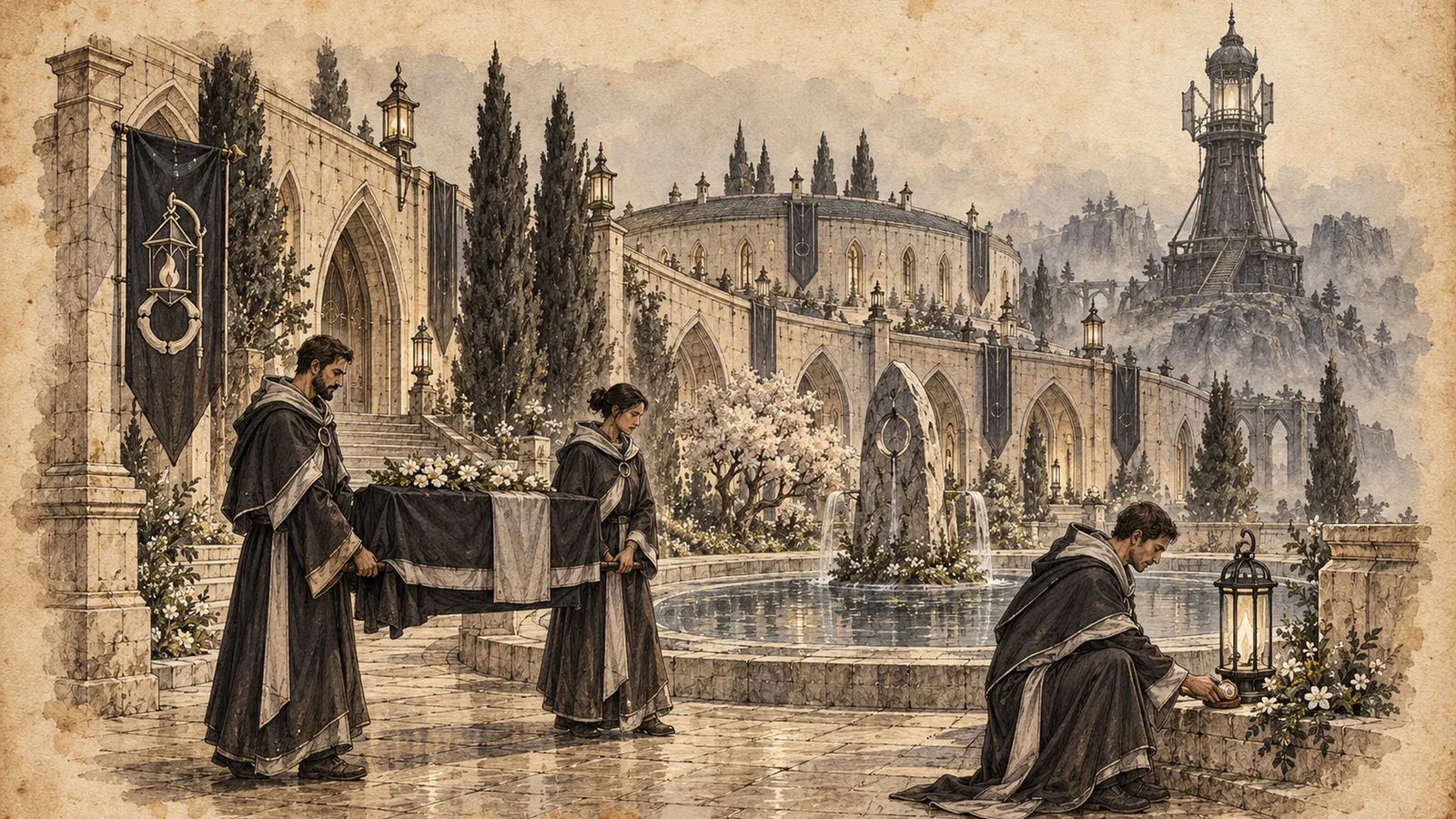
Humans build where the world is unfinished: forts on bad borders, shrines where maps fail. When their towns fall, they rebuild in the ruins.

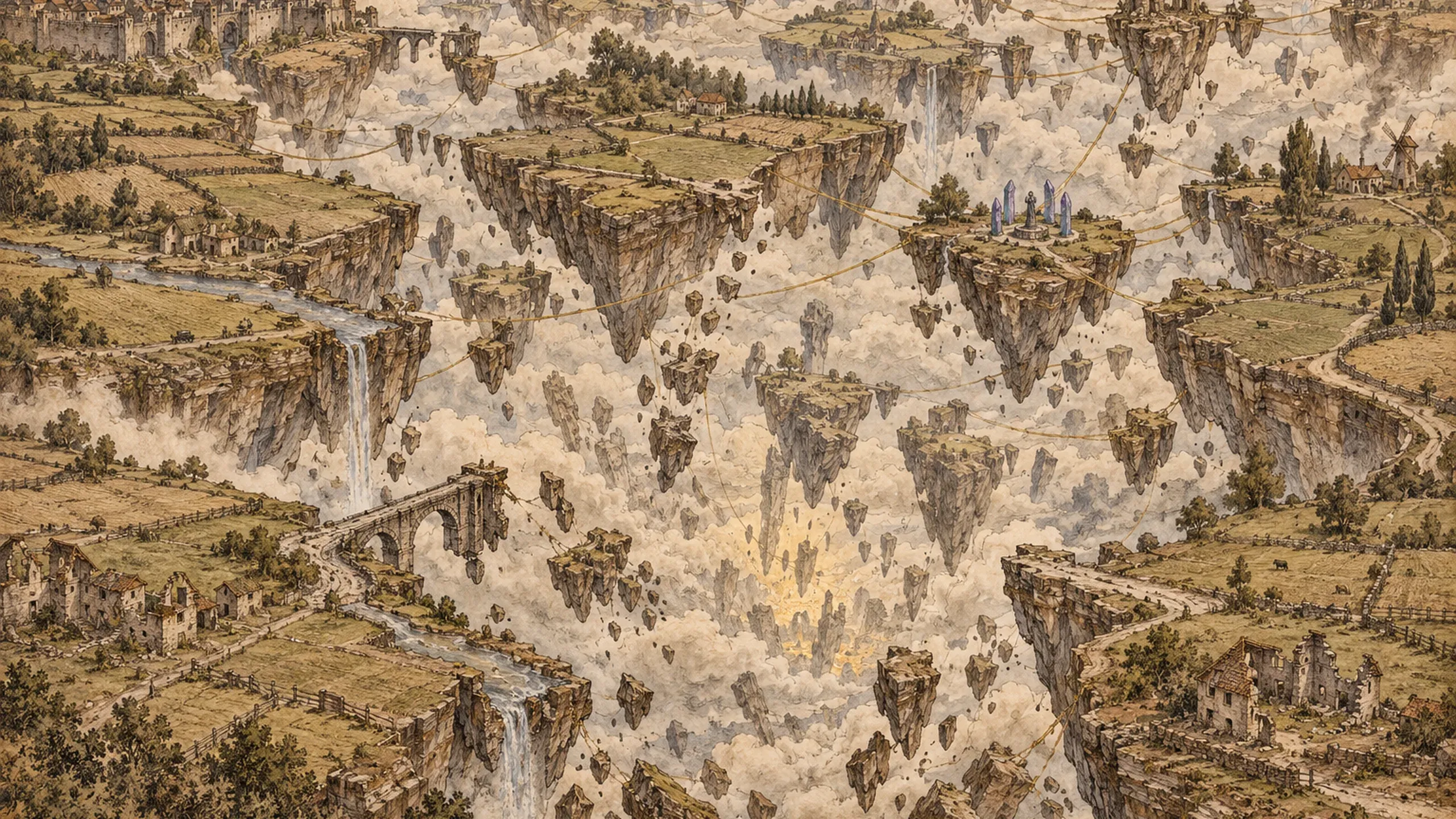
The Shattering tore Shatterwake apart. What survived drifts in shards above the Abyss: islands of land and sky that were once one world.
Calthera, the Last Anchor, caught the falling world and never let go. Her Waketether Stones bind shard to shard and carry the fallen home.
No realms and no server splits. Every player lives in the same world, and whatever you build or break stays there for everyone.
Humans build where the world is unfinished: forts on bad borders, shrines where maps fail. When their towns fall, they rebuild in the ruins.
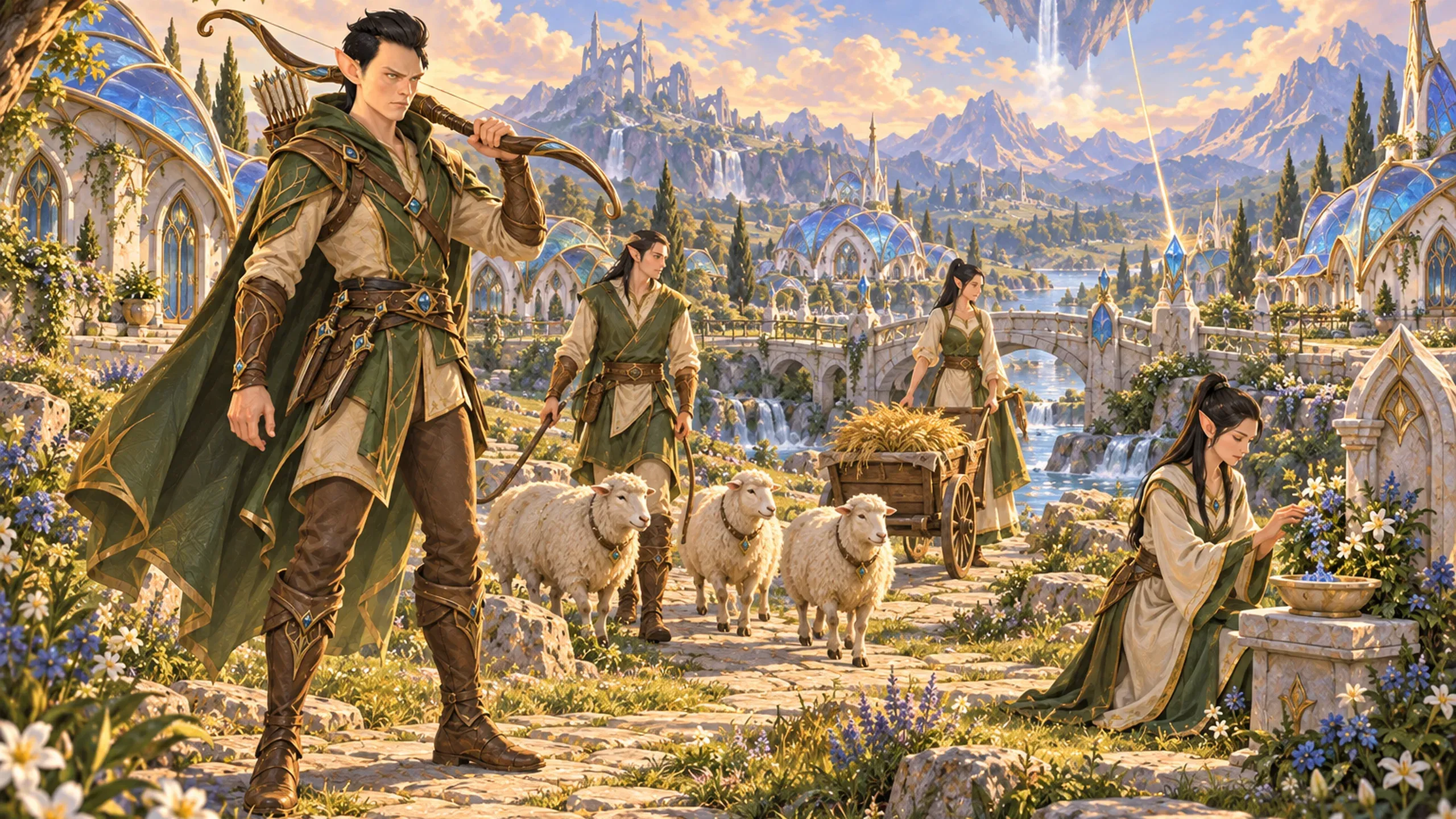
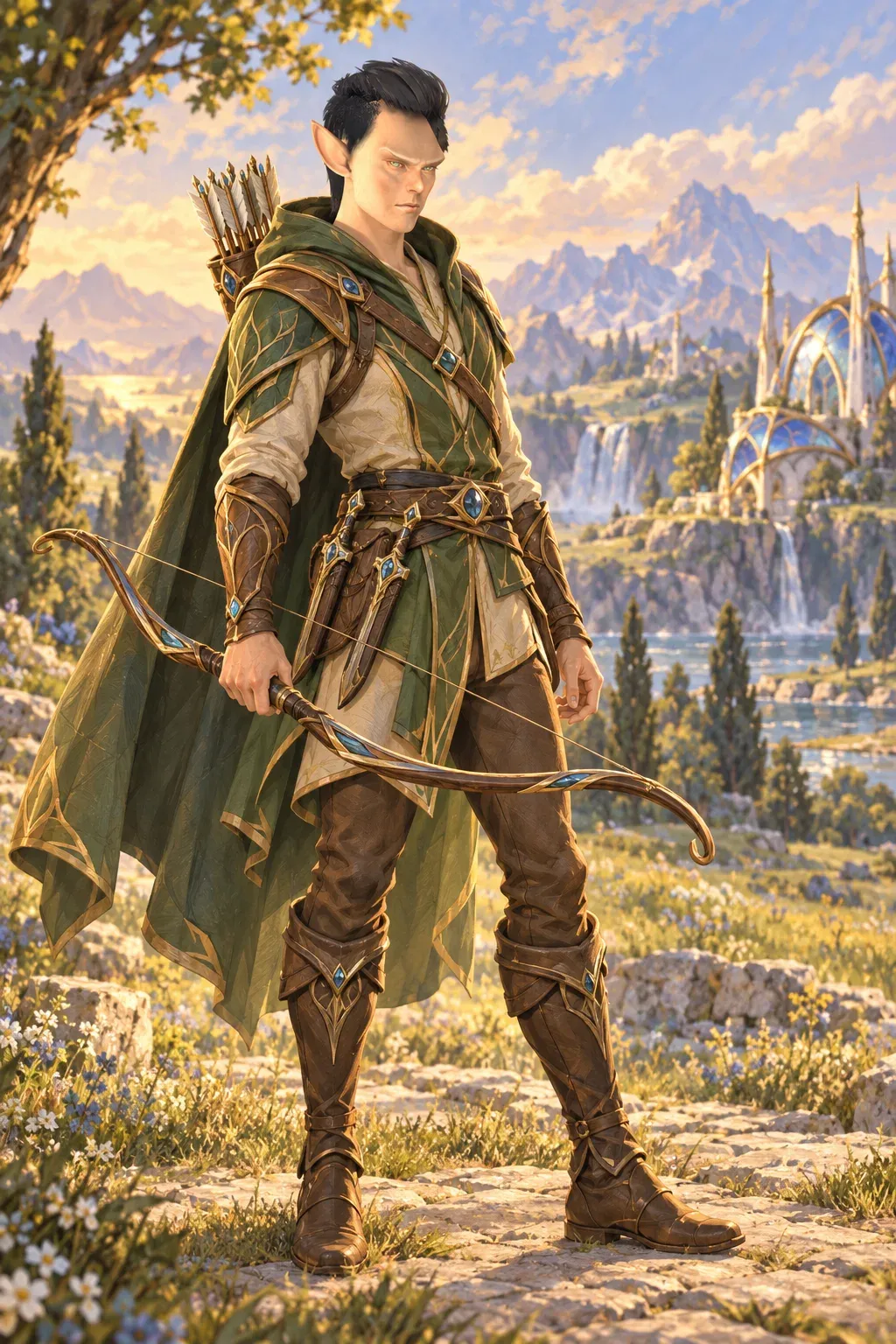
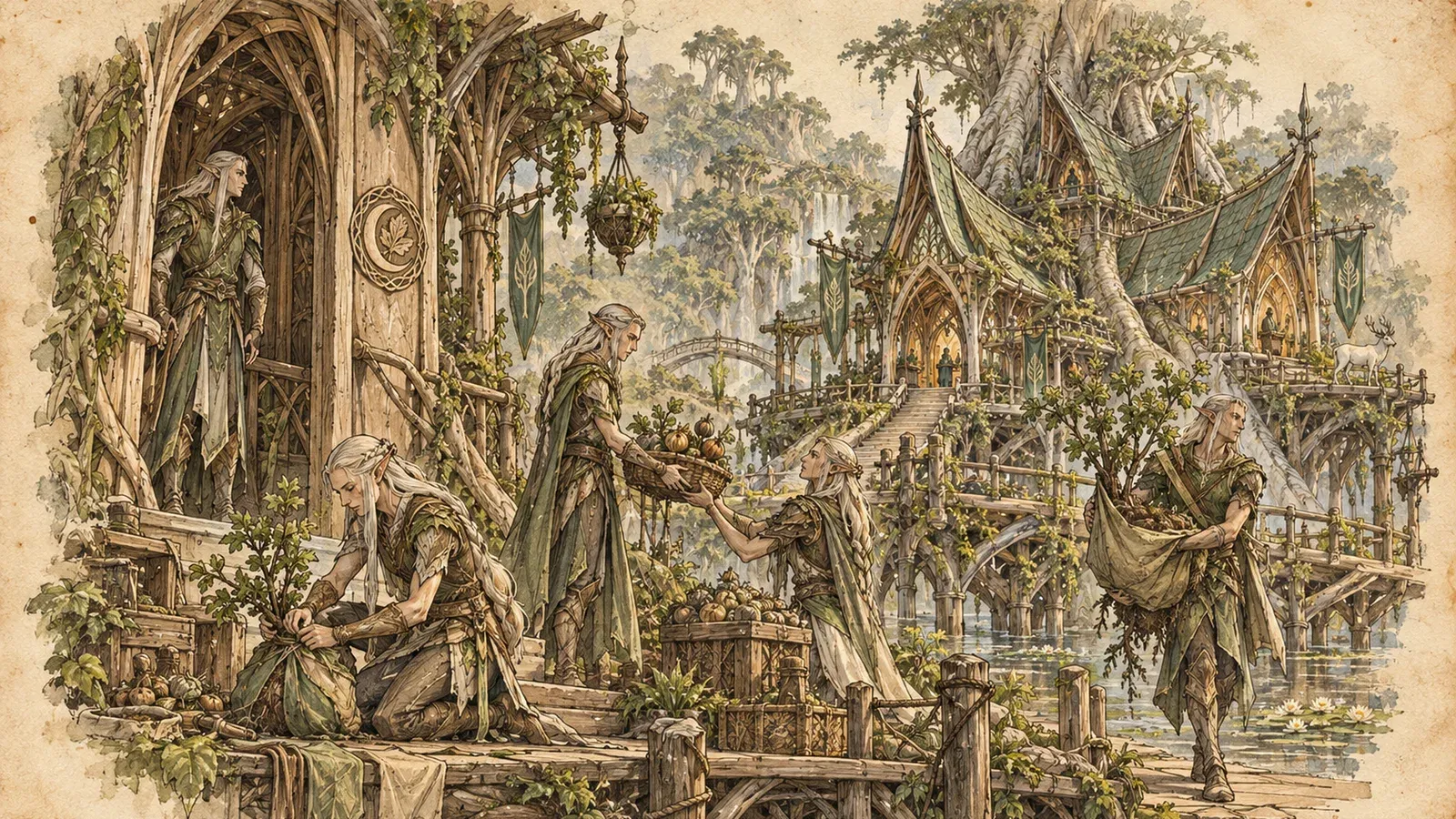
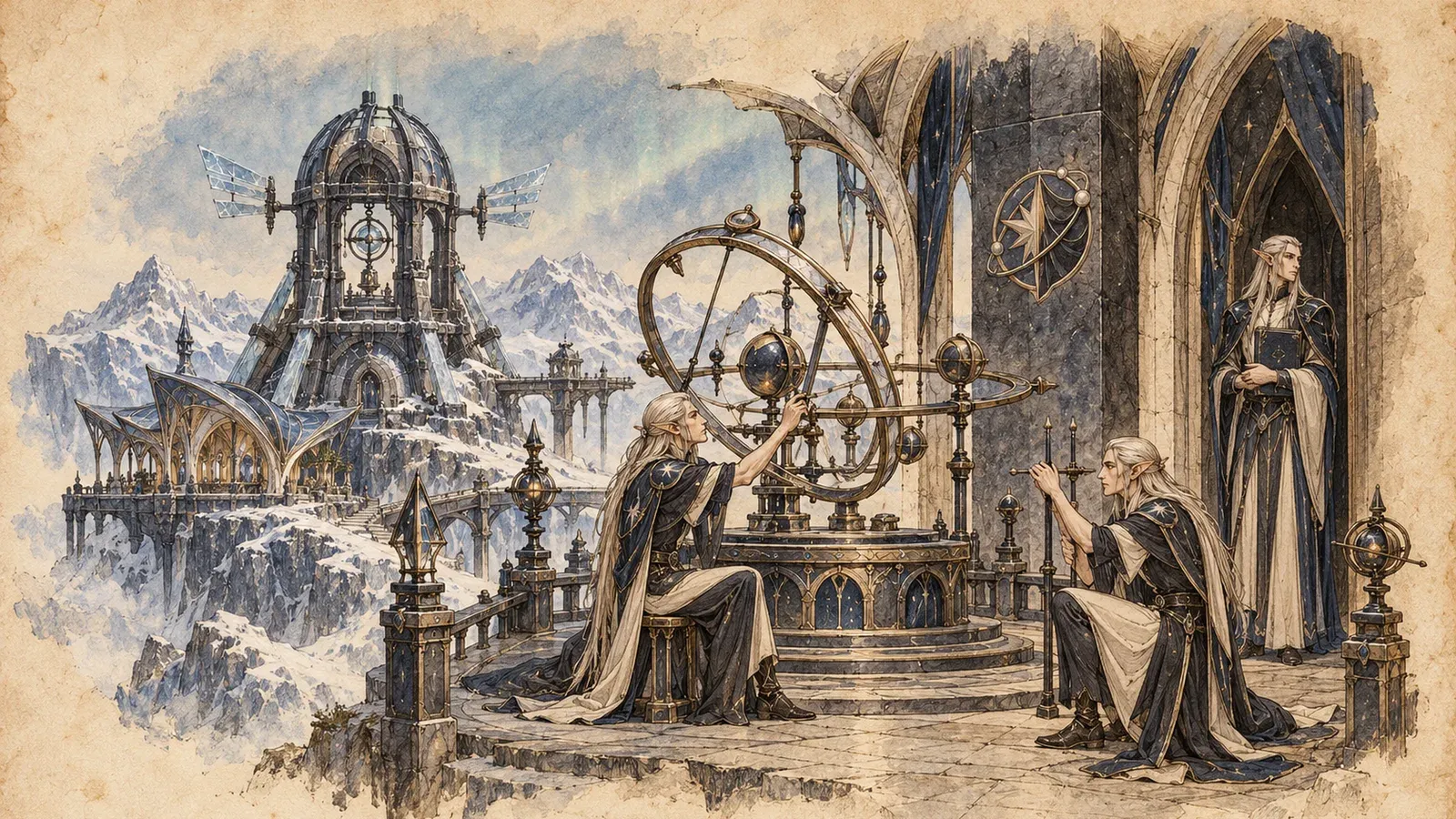
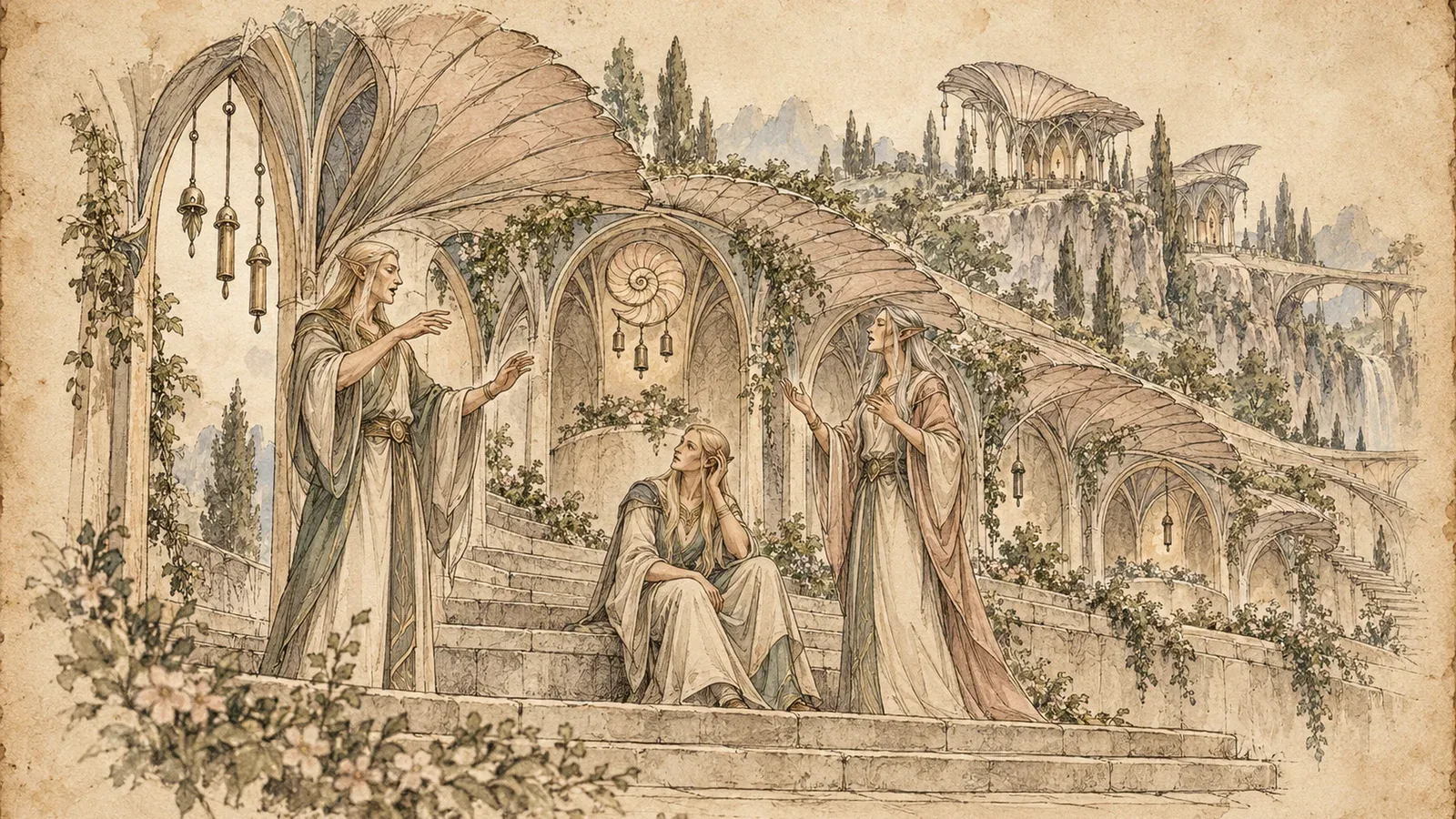
Elves remember in layers: who sang in a grove, what bargain ended there, which moon hung overhead. Not timeless, but hard for time to touch.
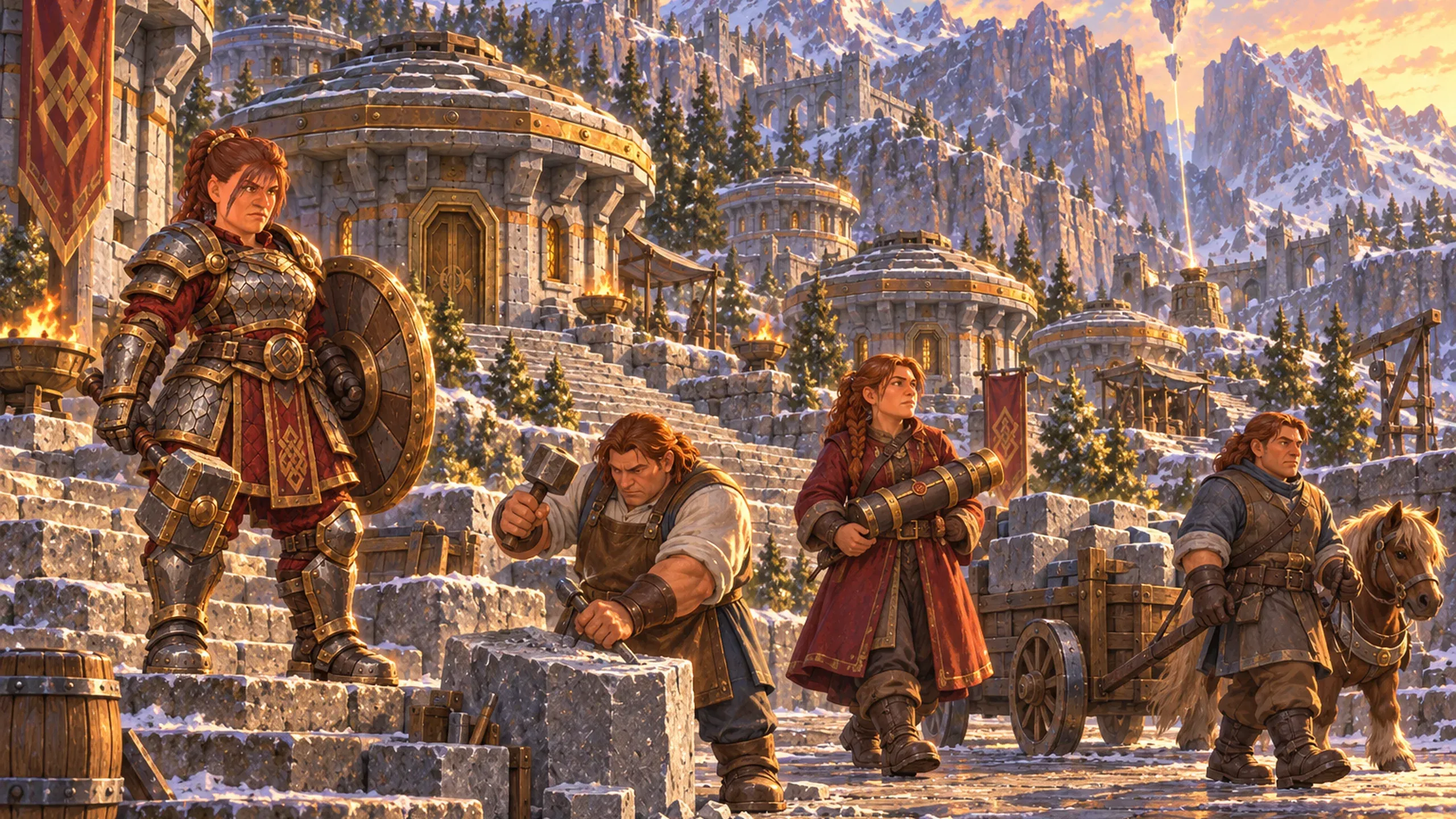
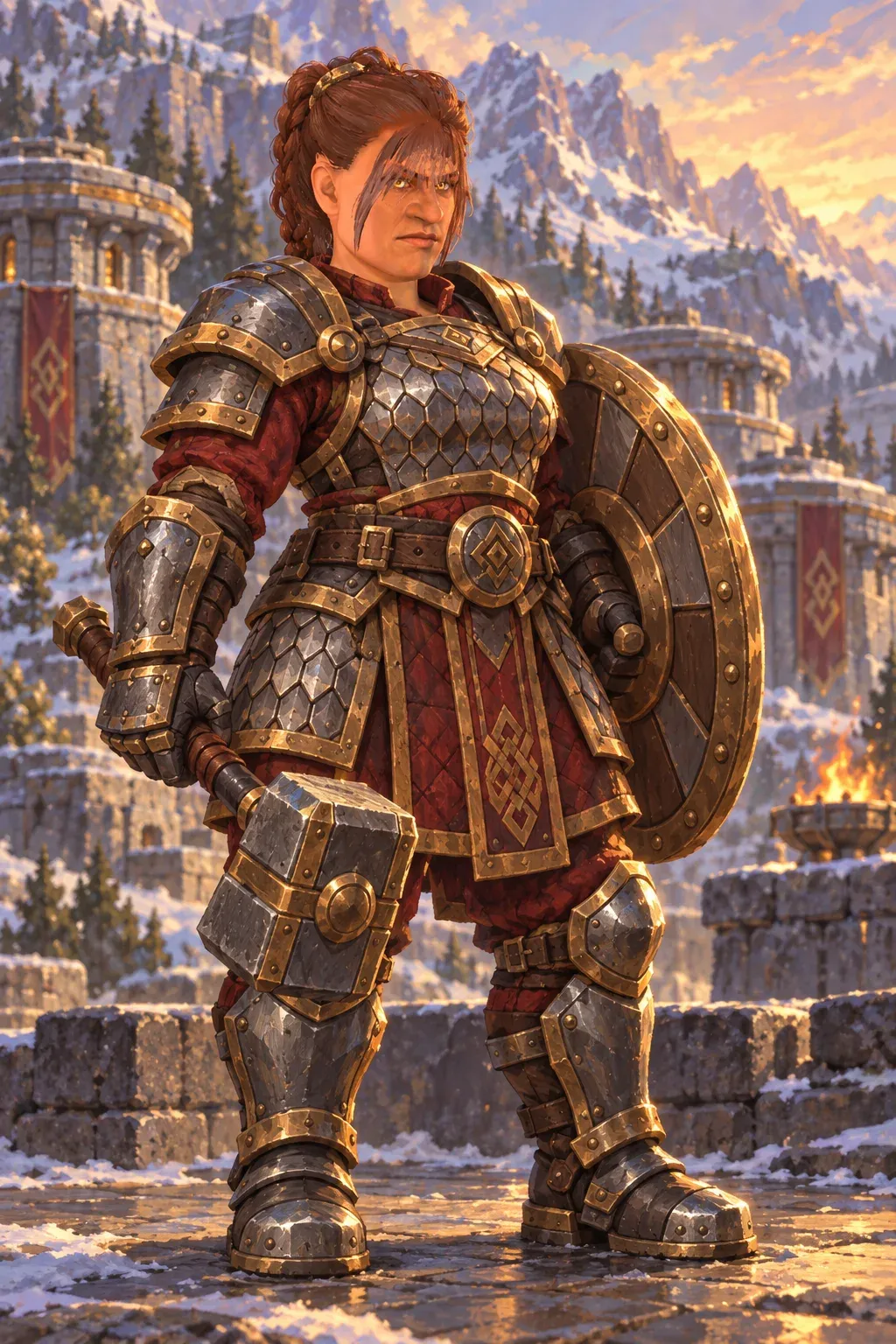
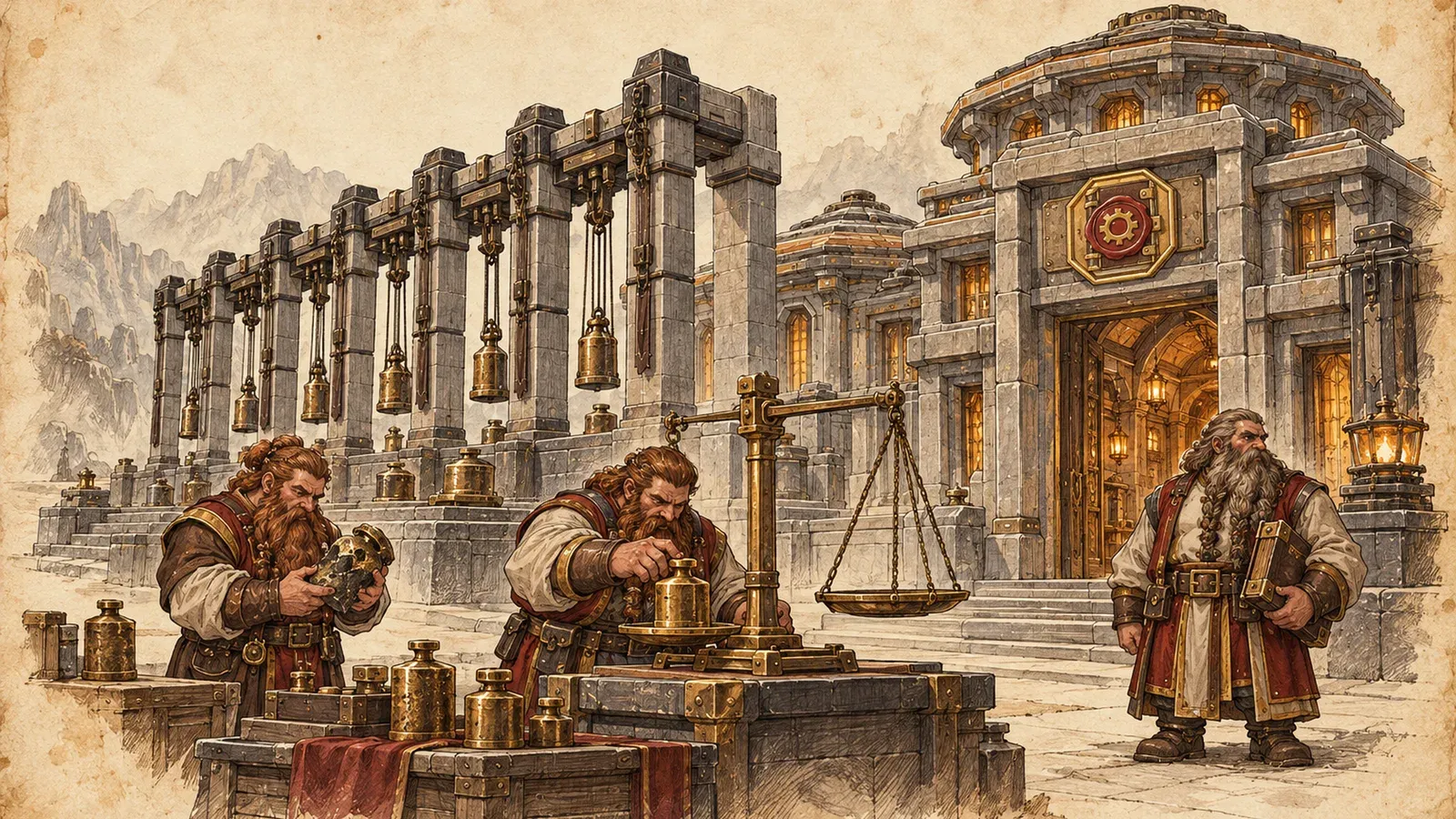
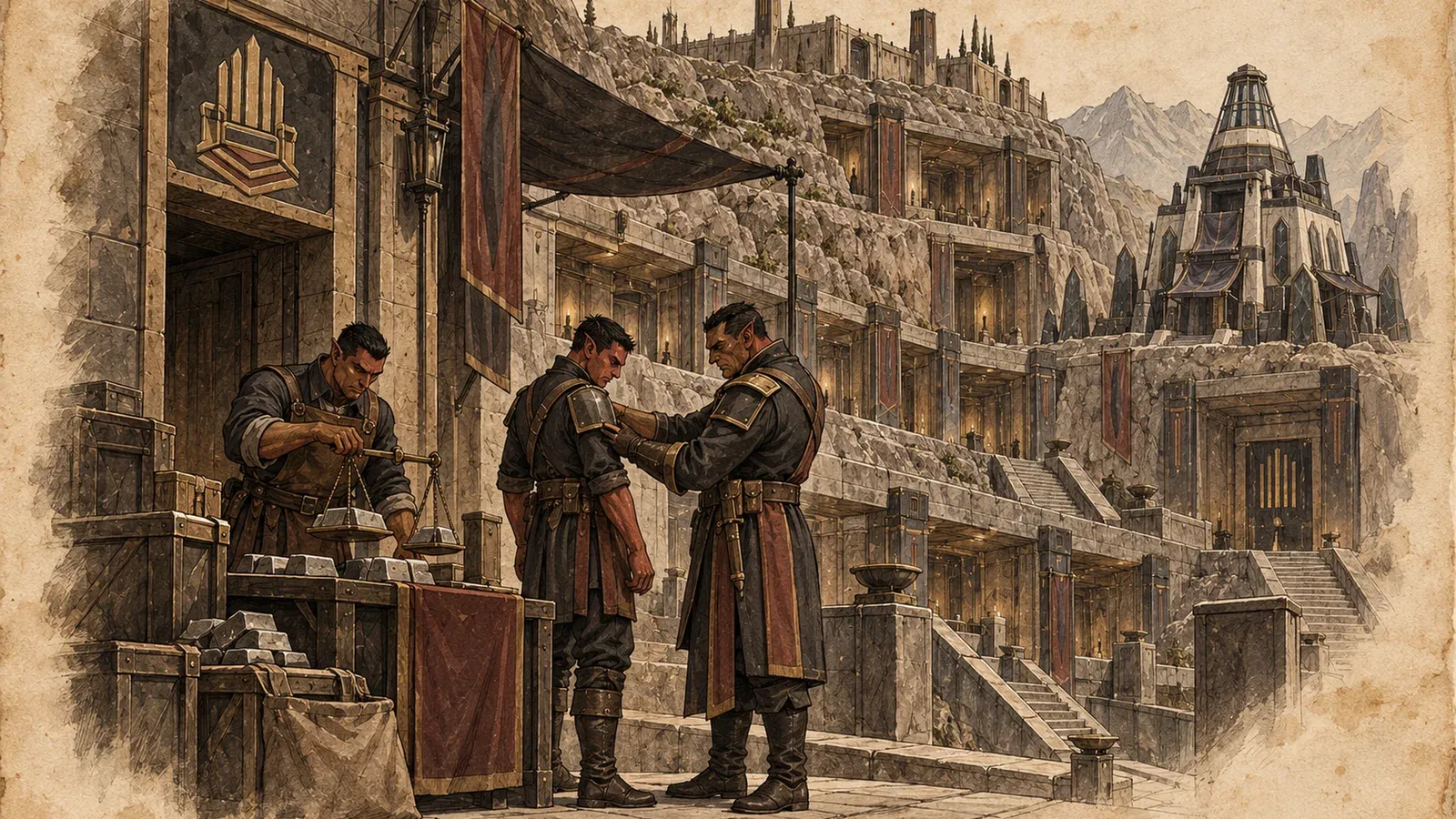
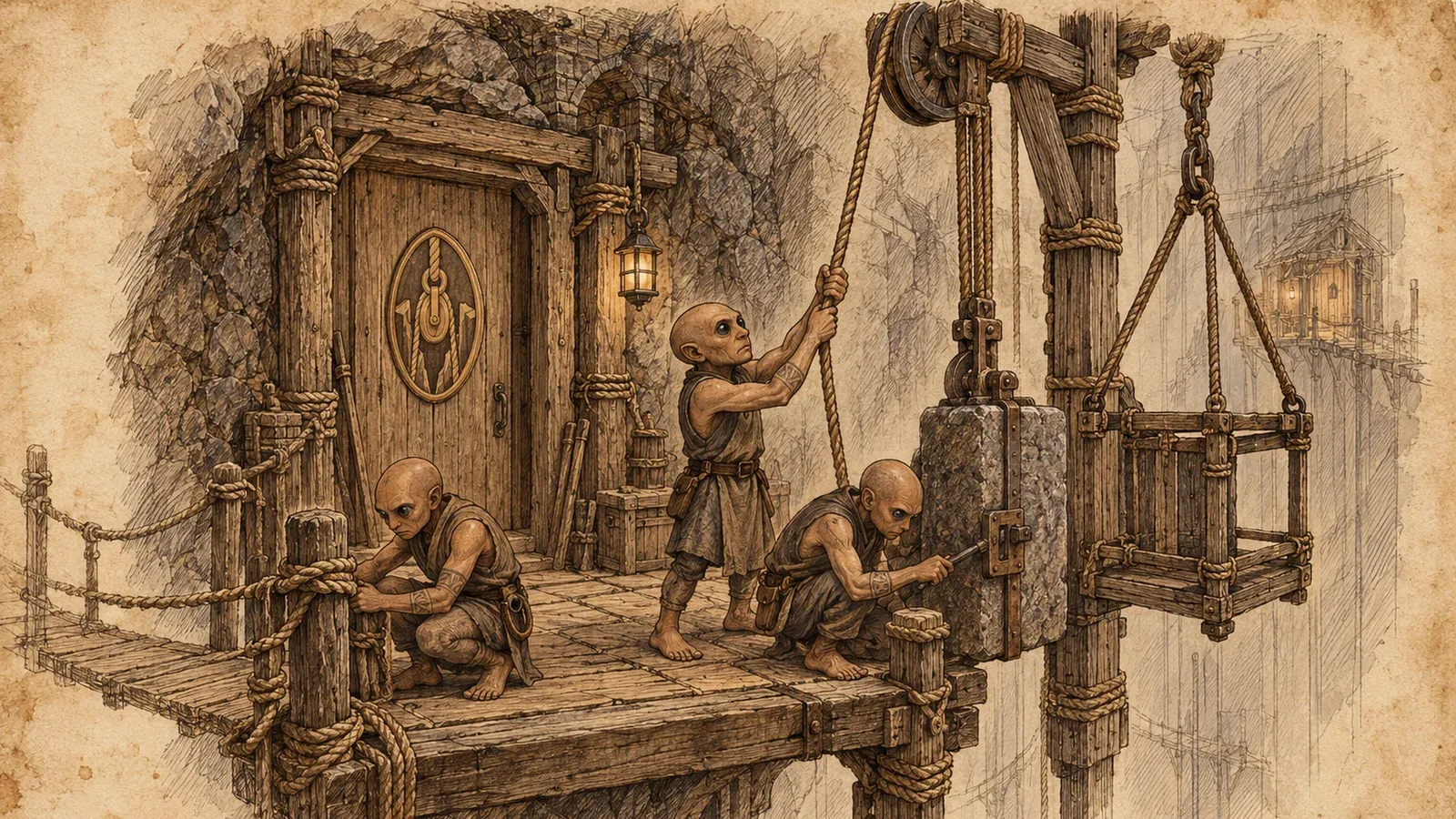
Dwarves hold that the world survives when things are made well enough to outlast panic. They keep memory in stone: roads, vaults and oaths.
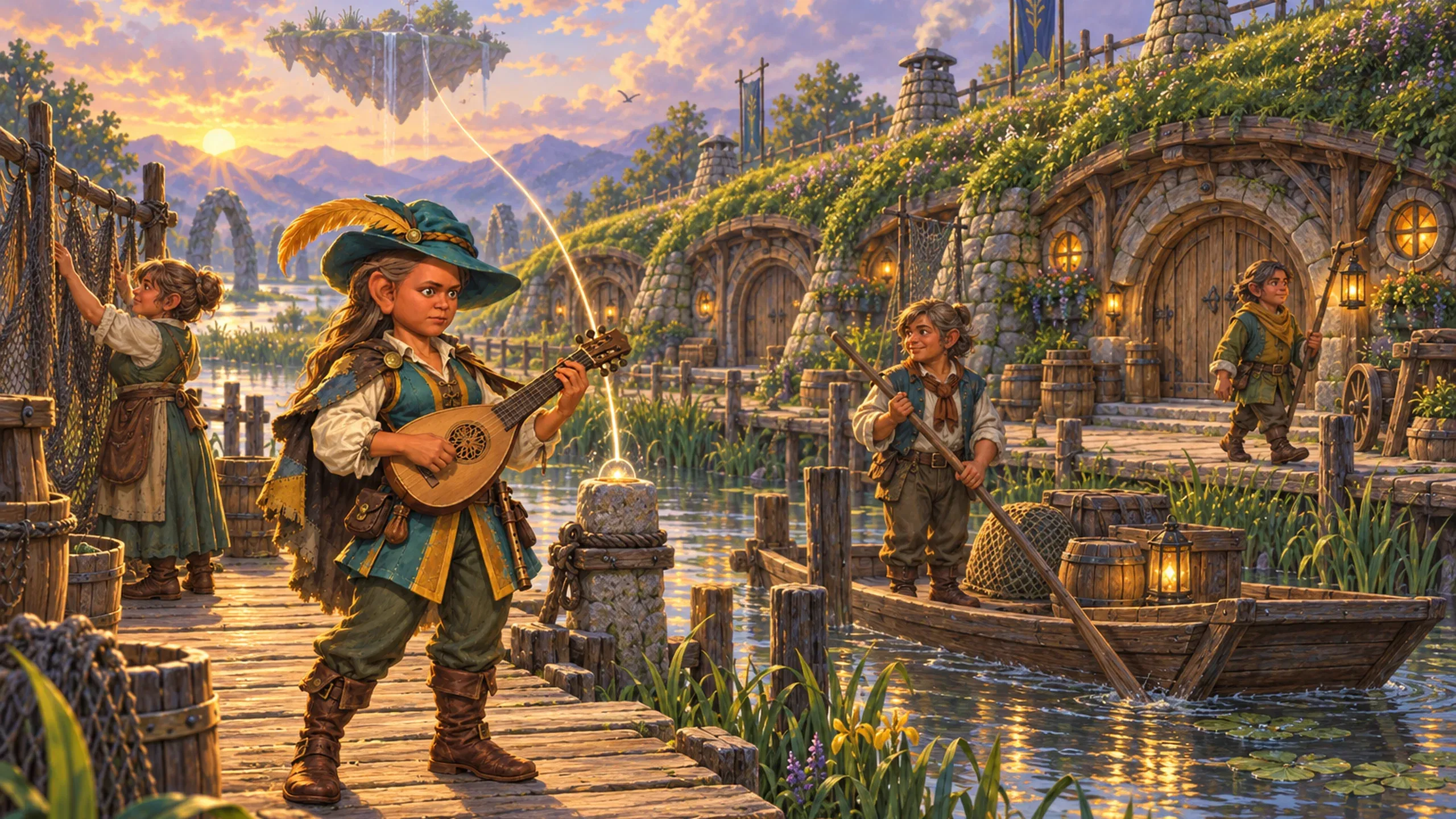
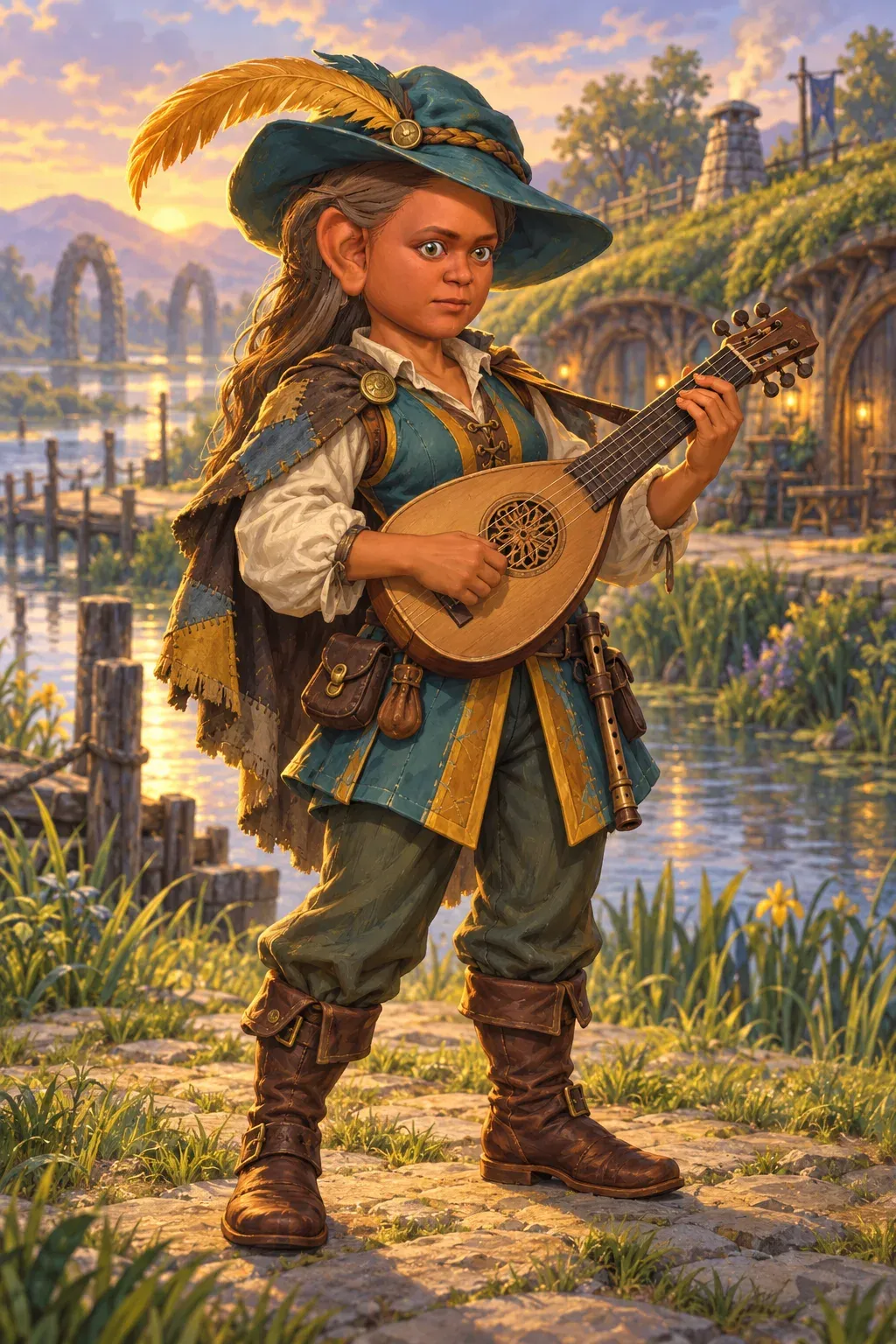
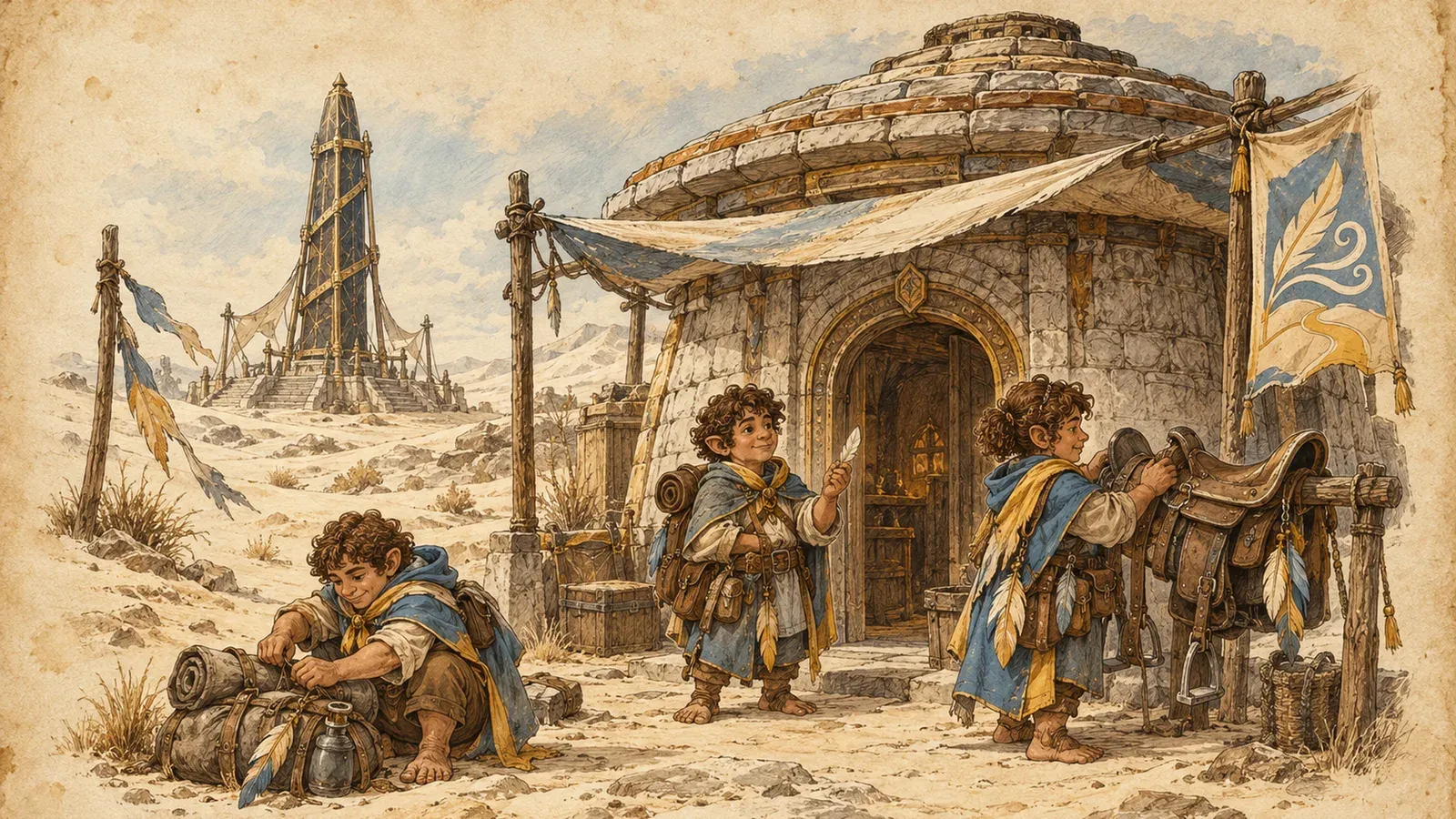
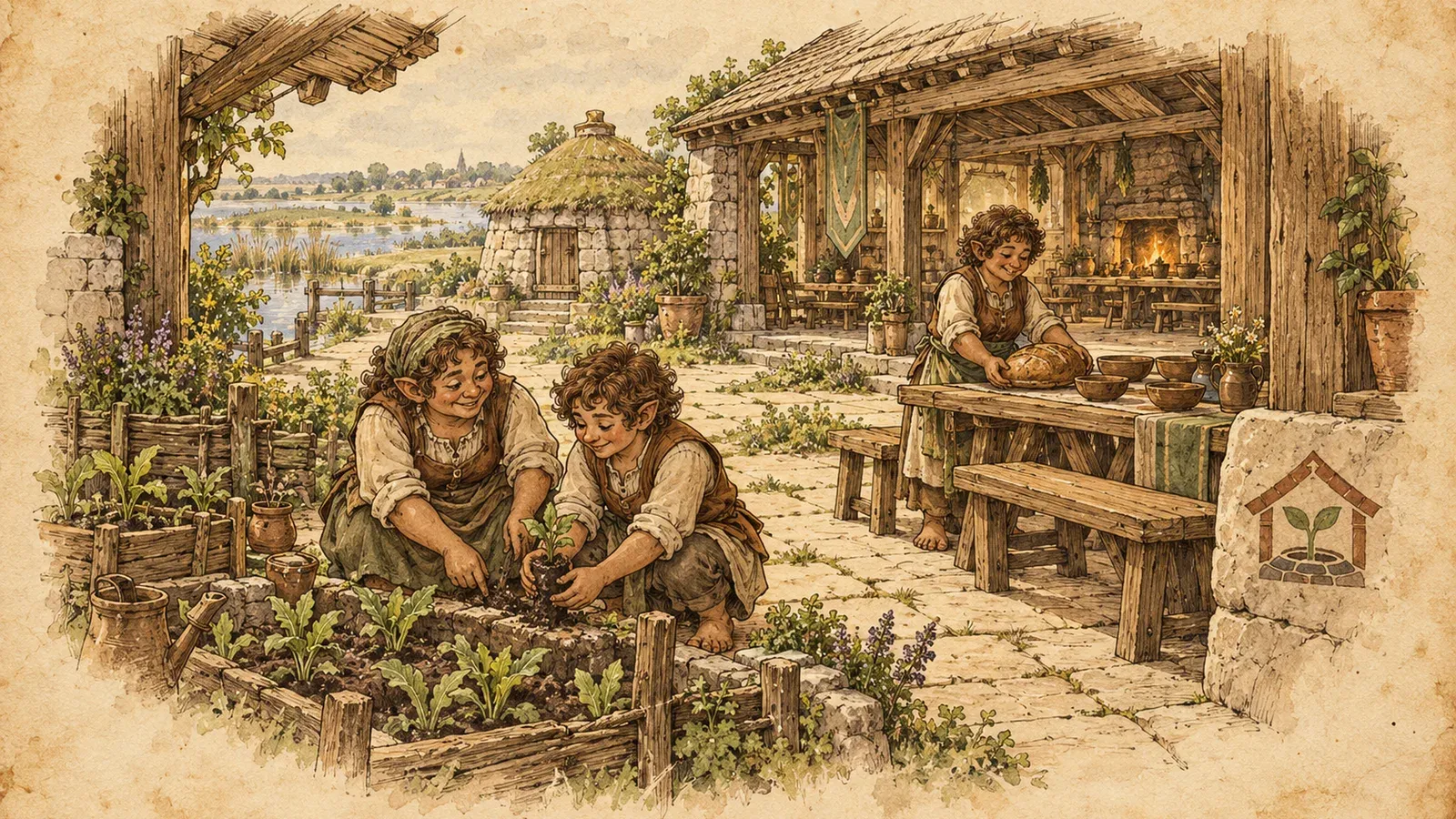
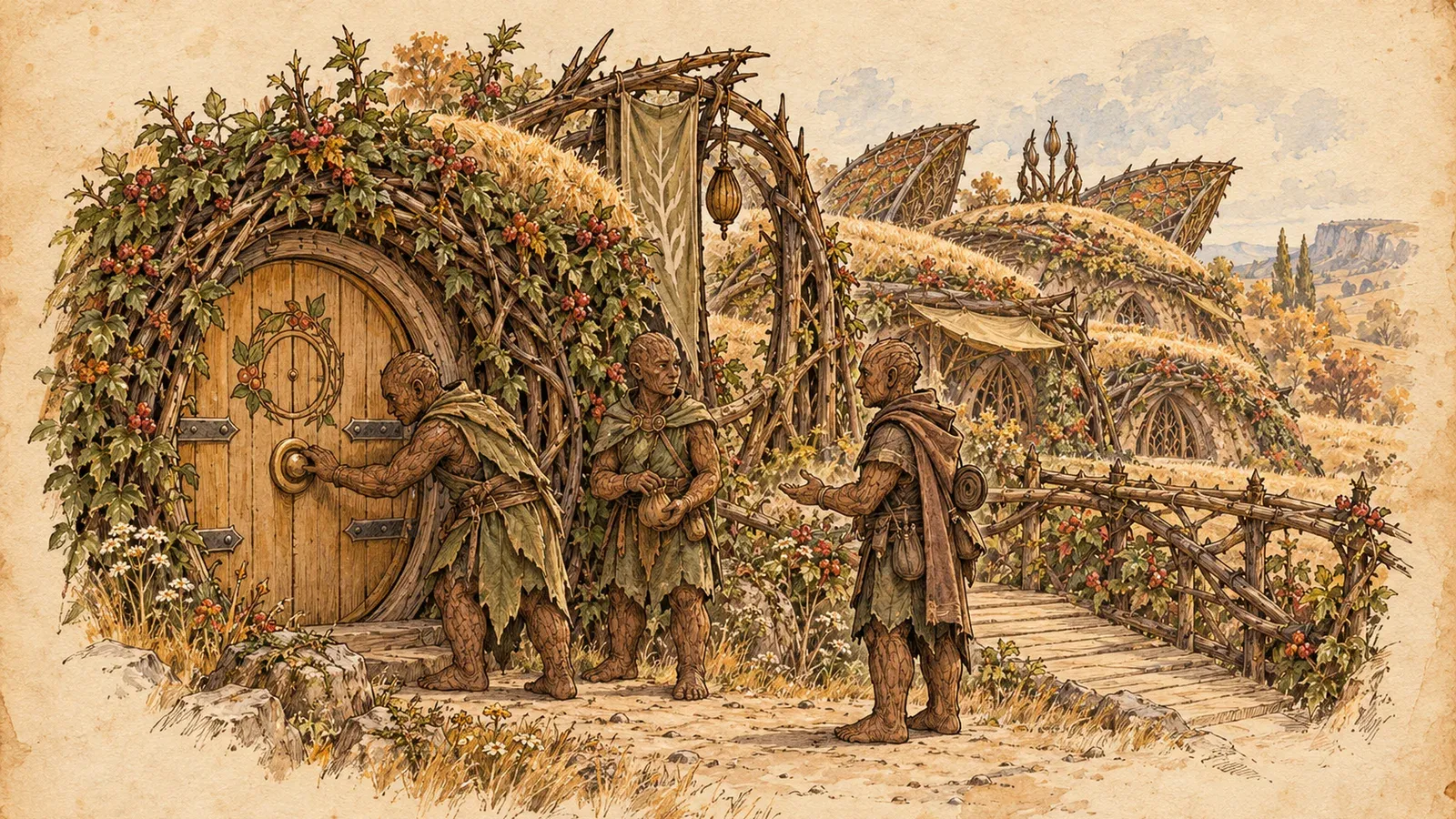
Halflings know civilization runs on kindness and good supply. They keep inns safe, ferries running, and roads feeling like promises.
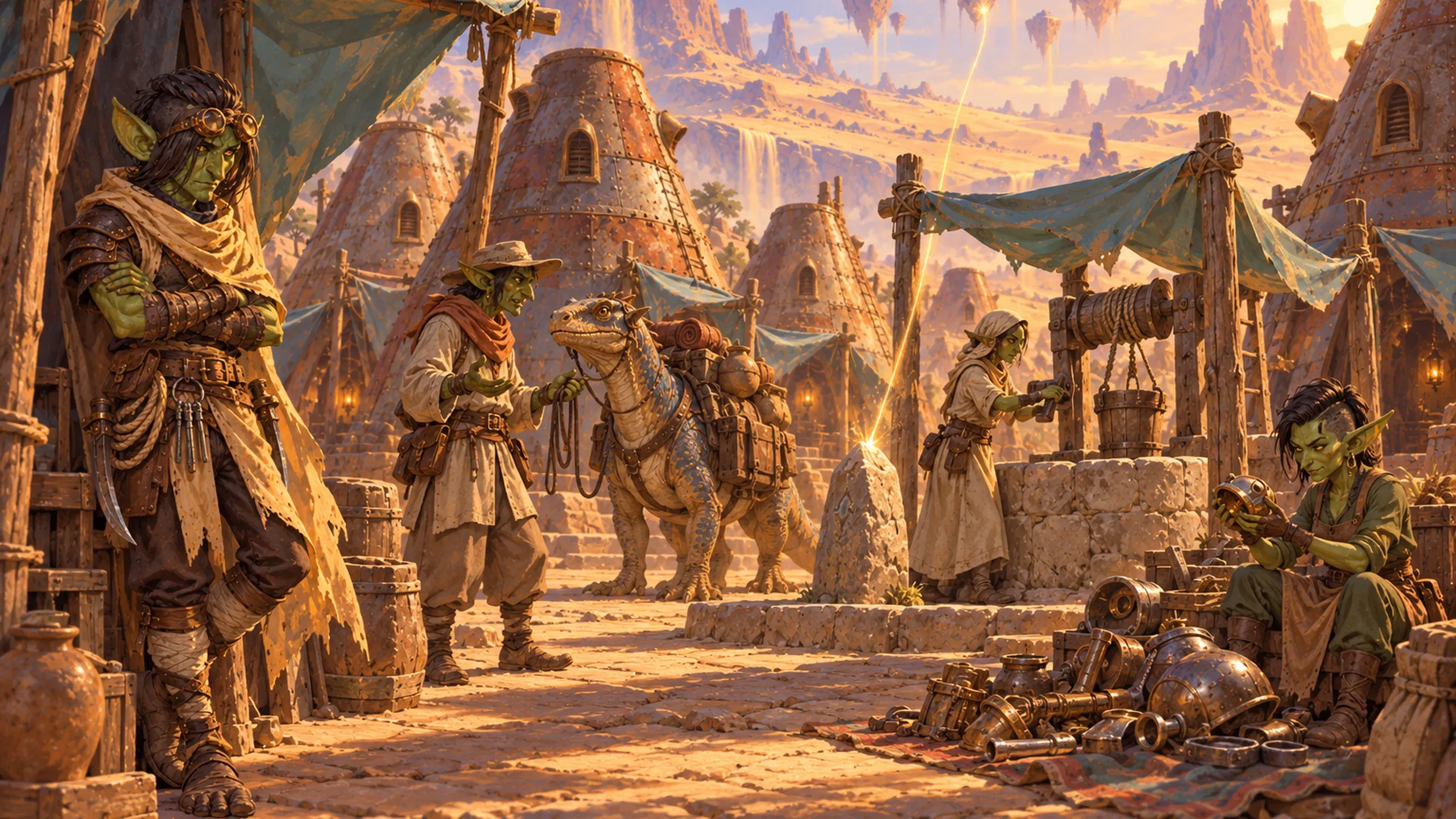
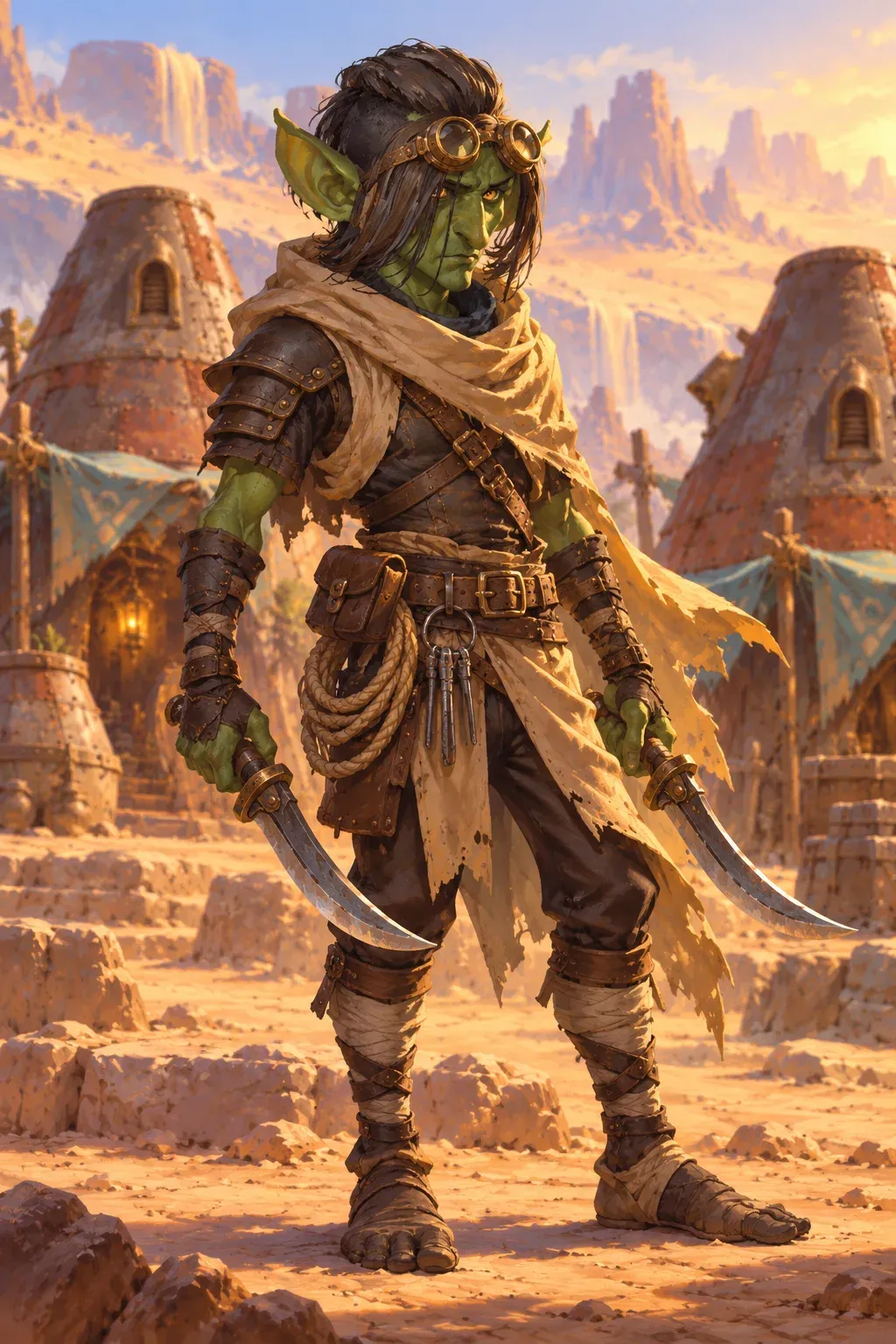
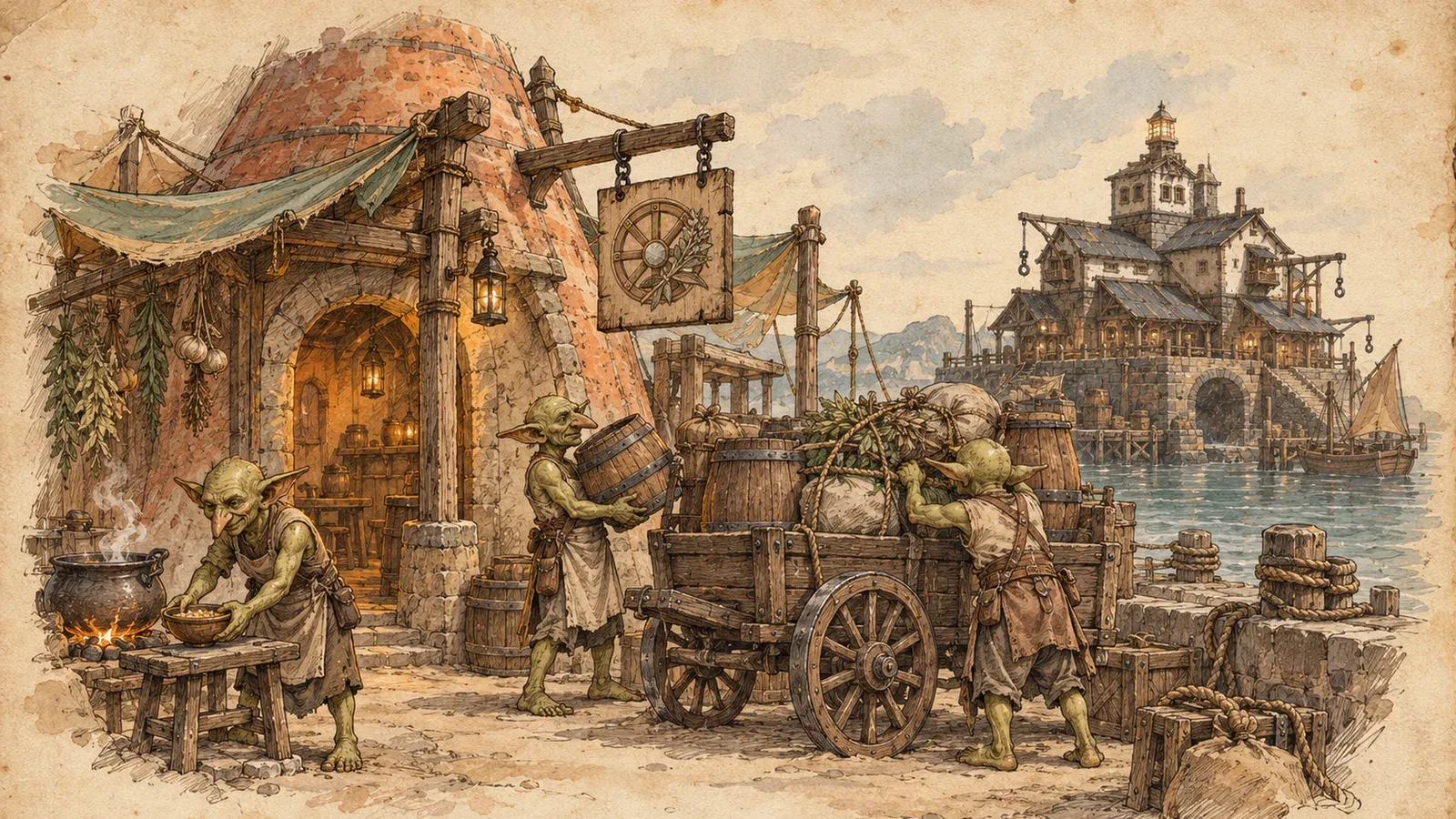
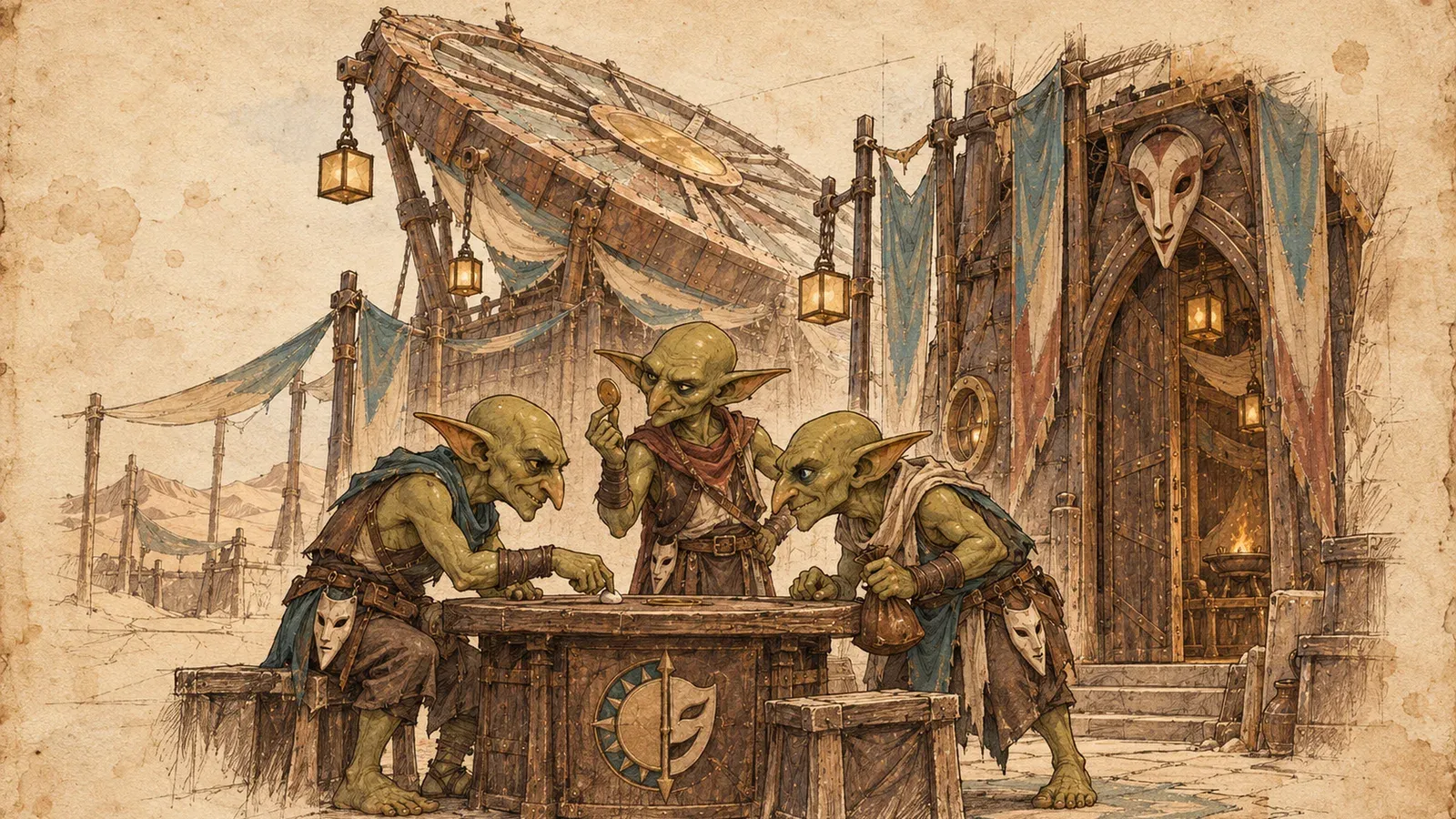
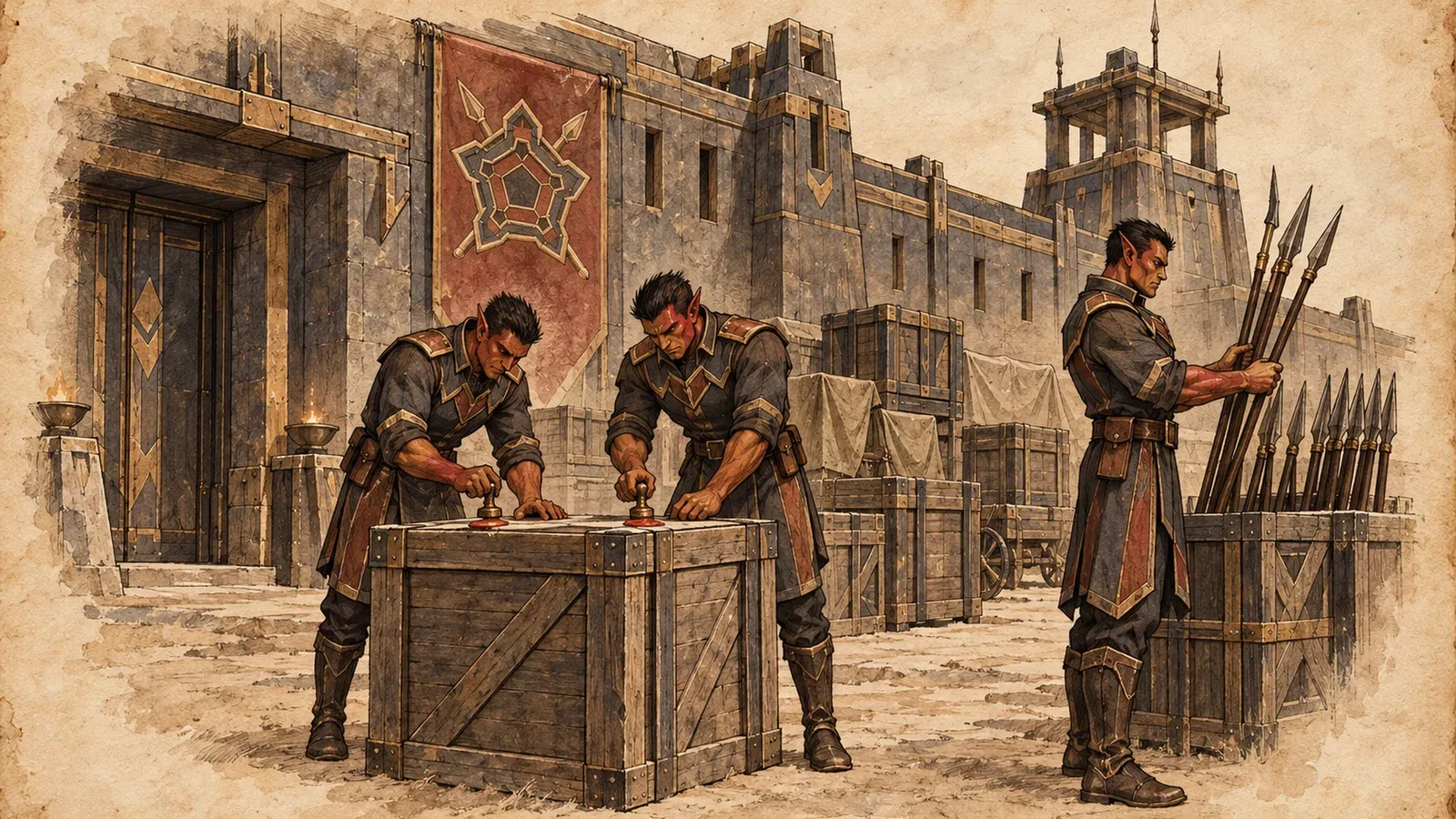
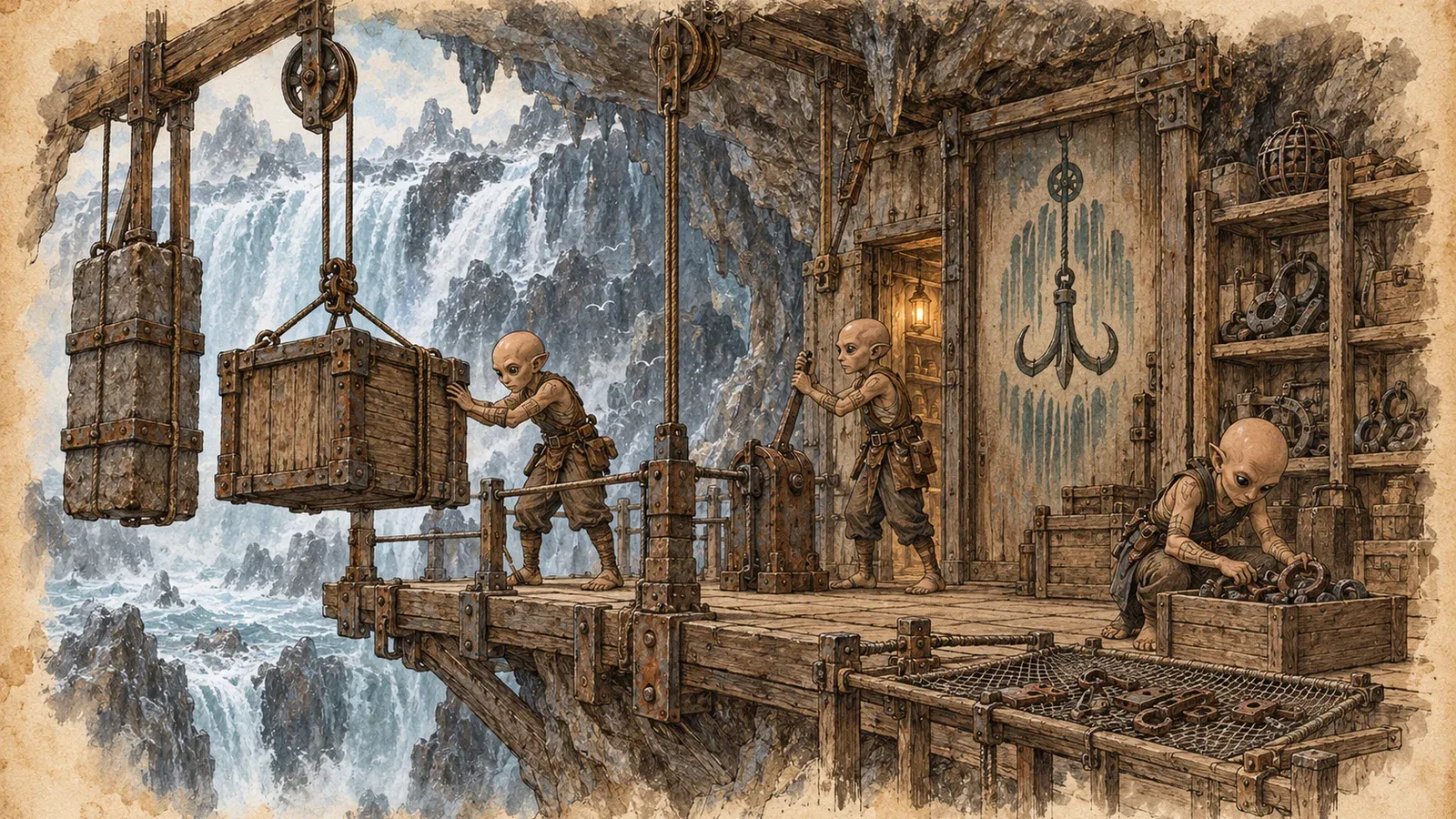
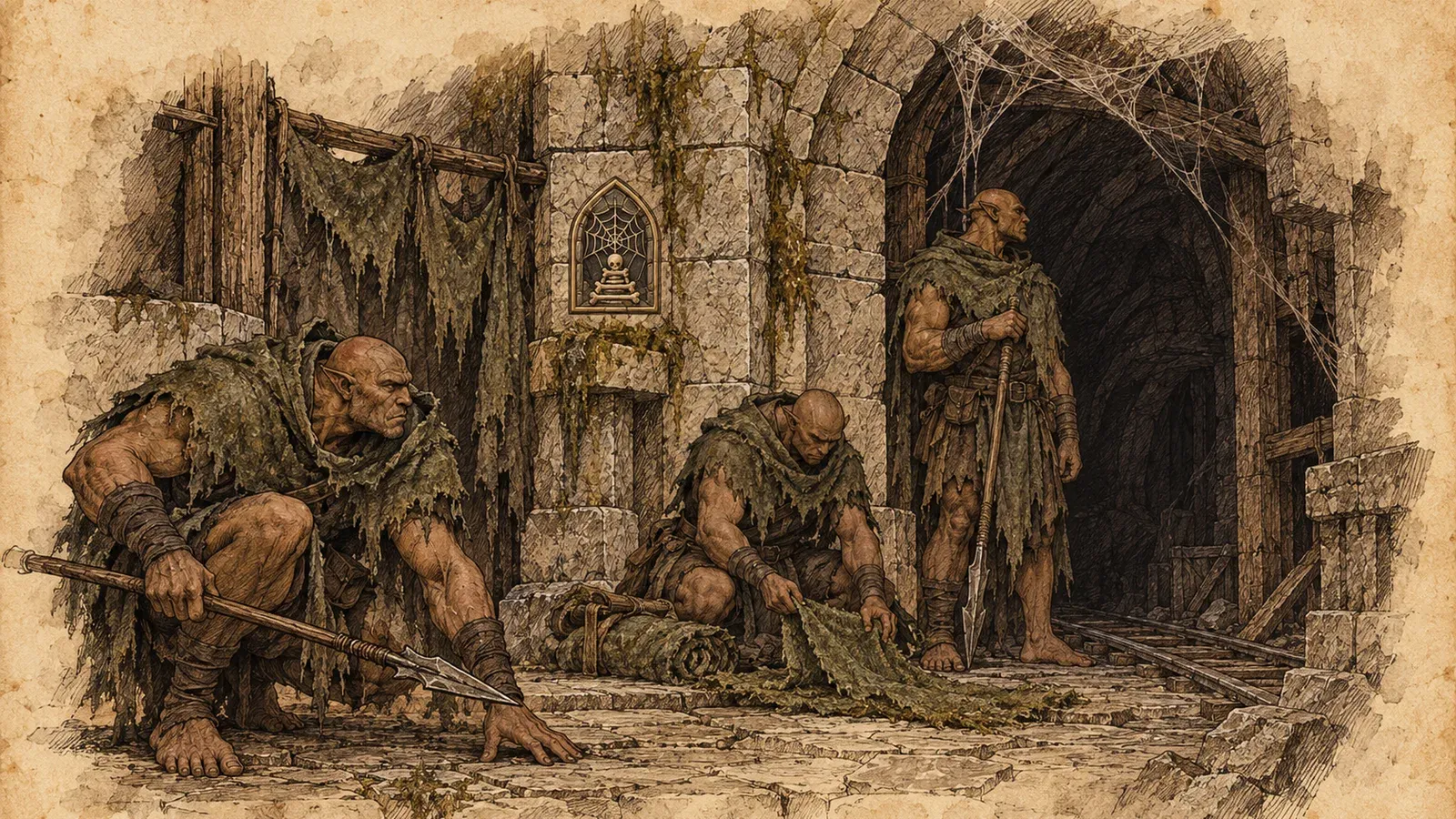
Goblins breed fast, build fast and fall fast. Cowardly alone, fearless in numbers, they run the desert salt roads and the tunnels below.
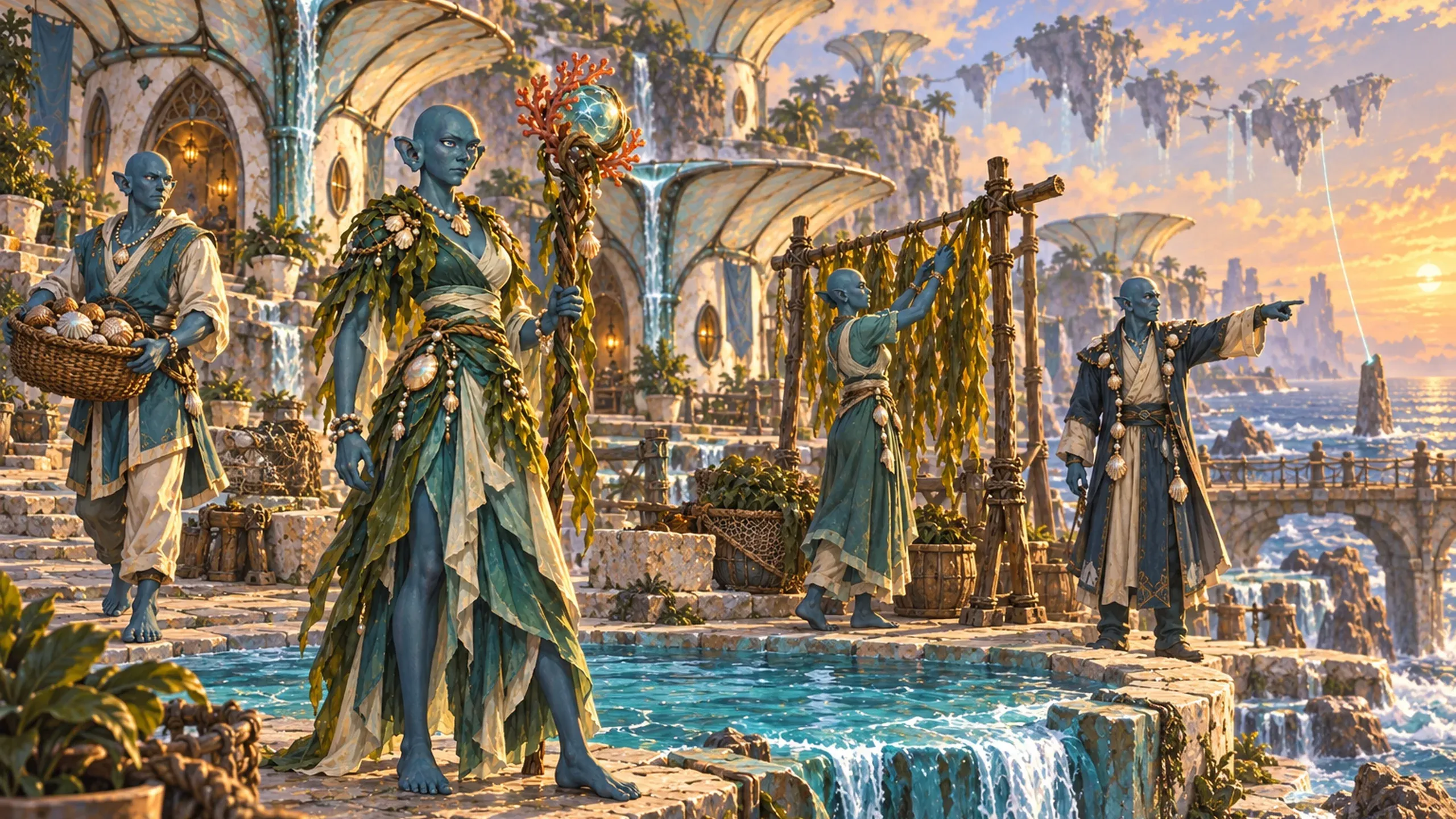
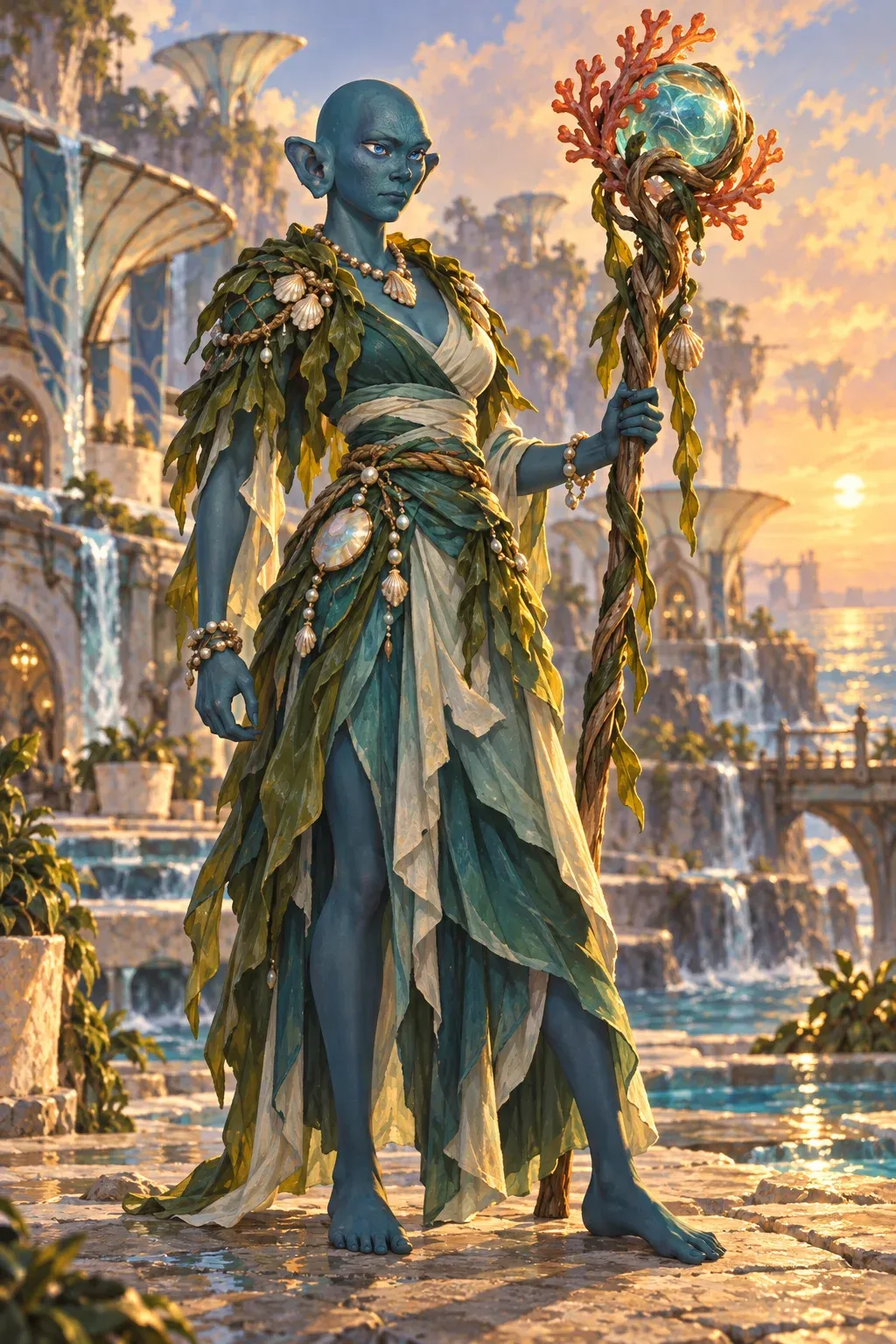
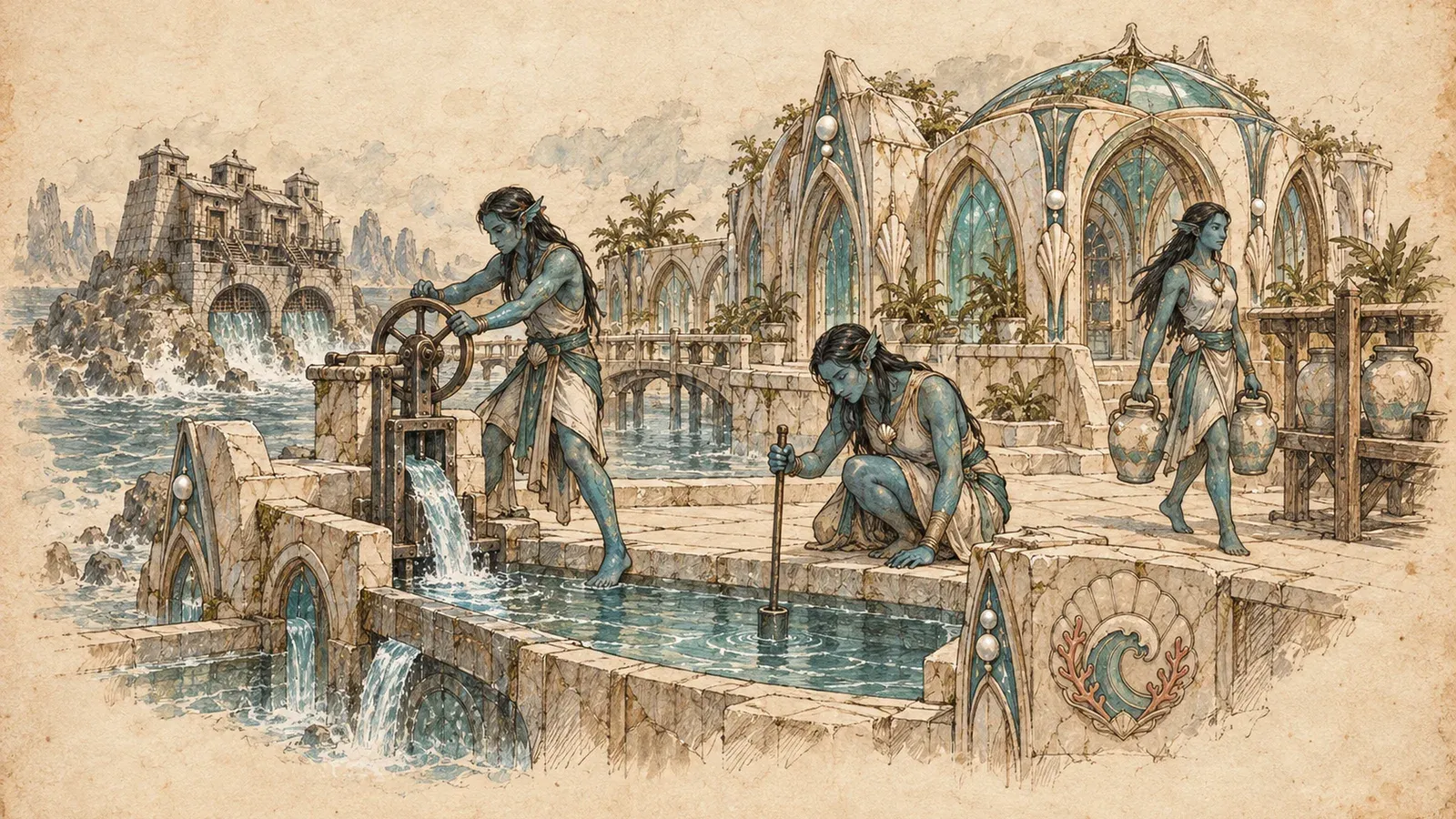
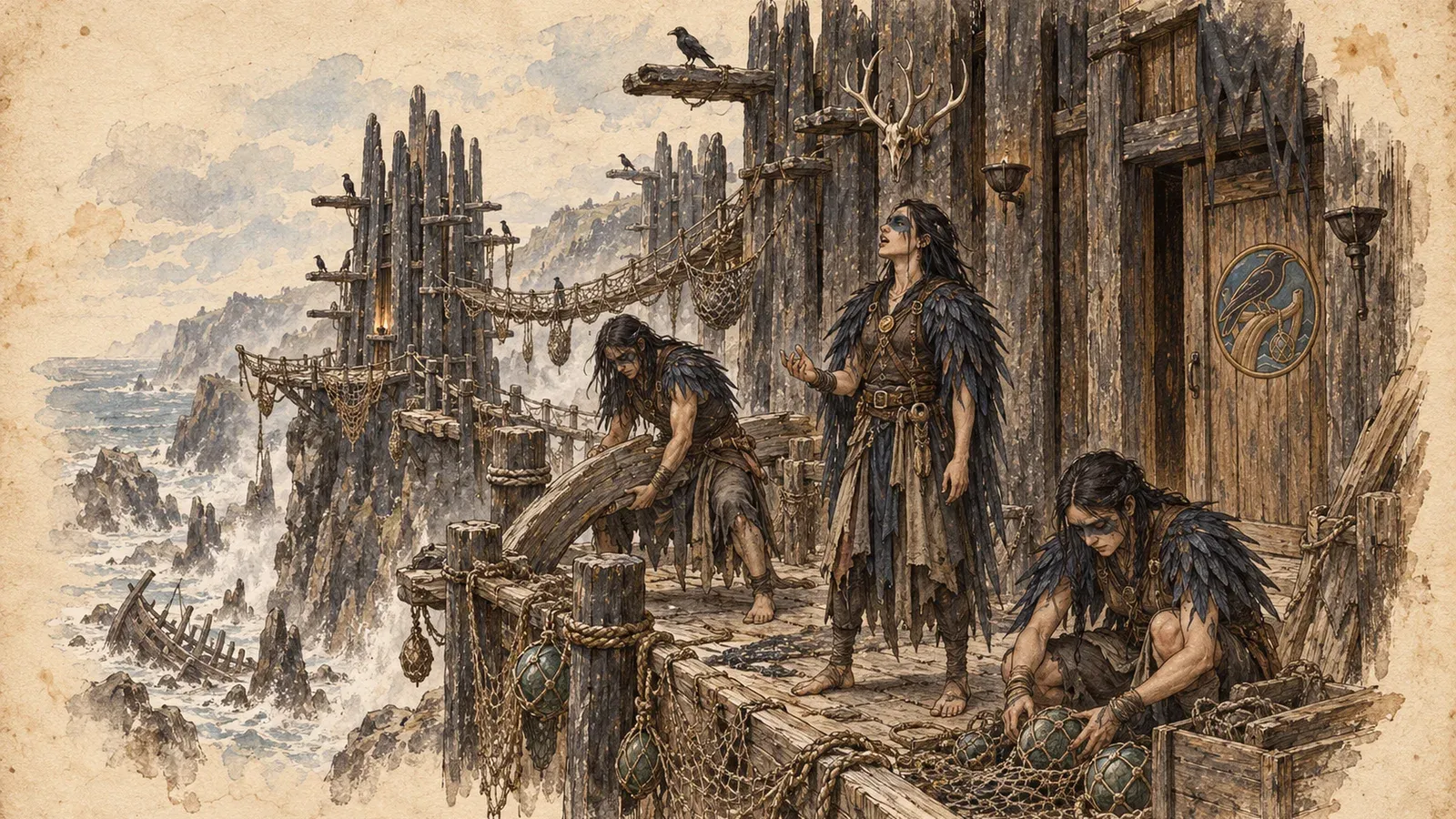
Not one sea kingdom but reef courts and wreck judges. Merfolk walk the shallows on webbed feet and keep the drowned law of the coast.
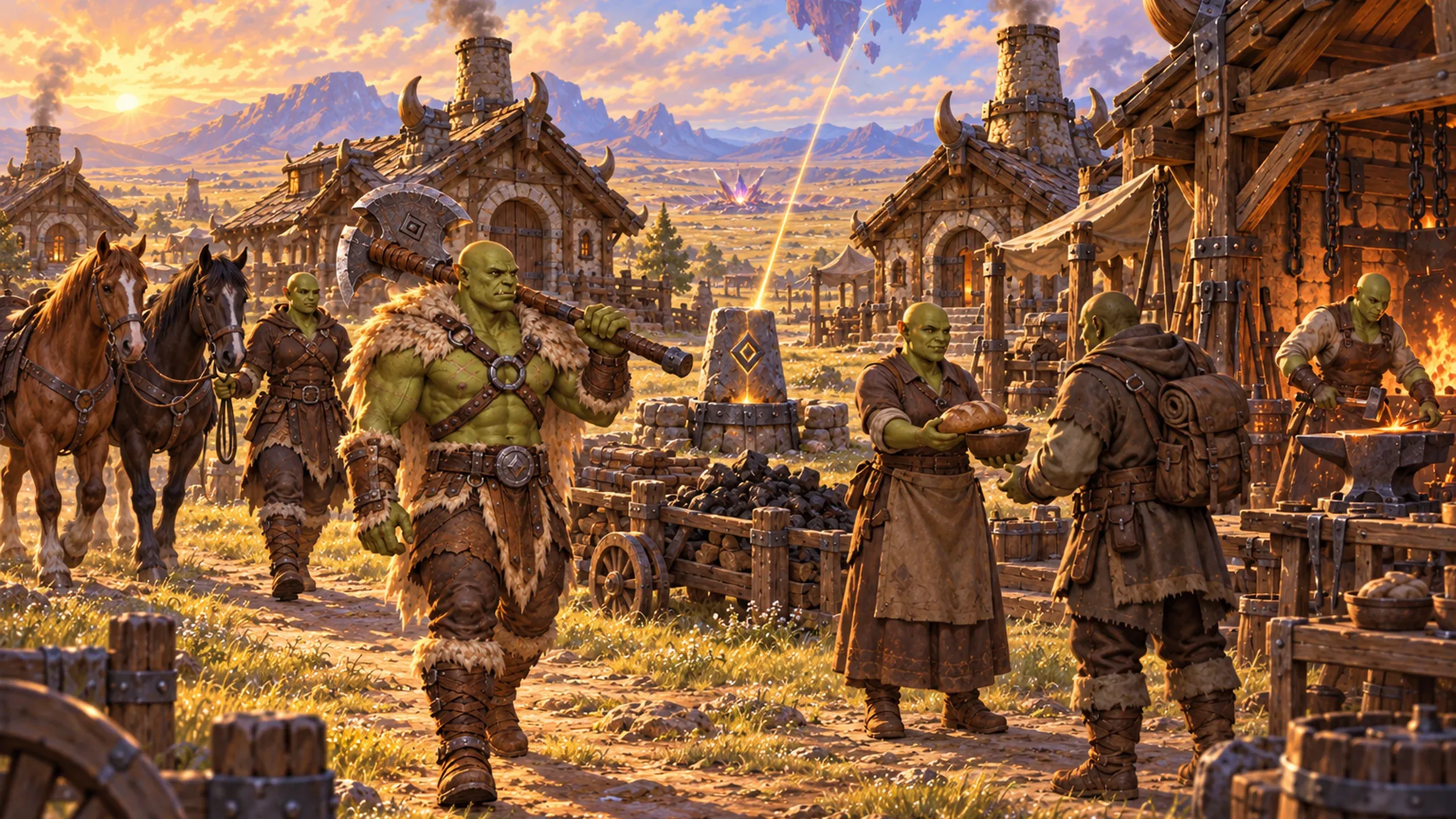
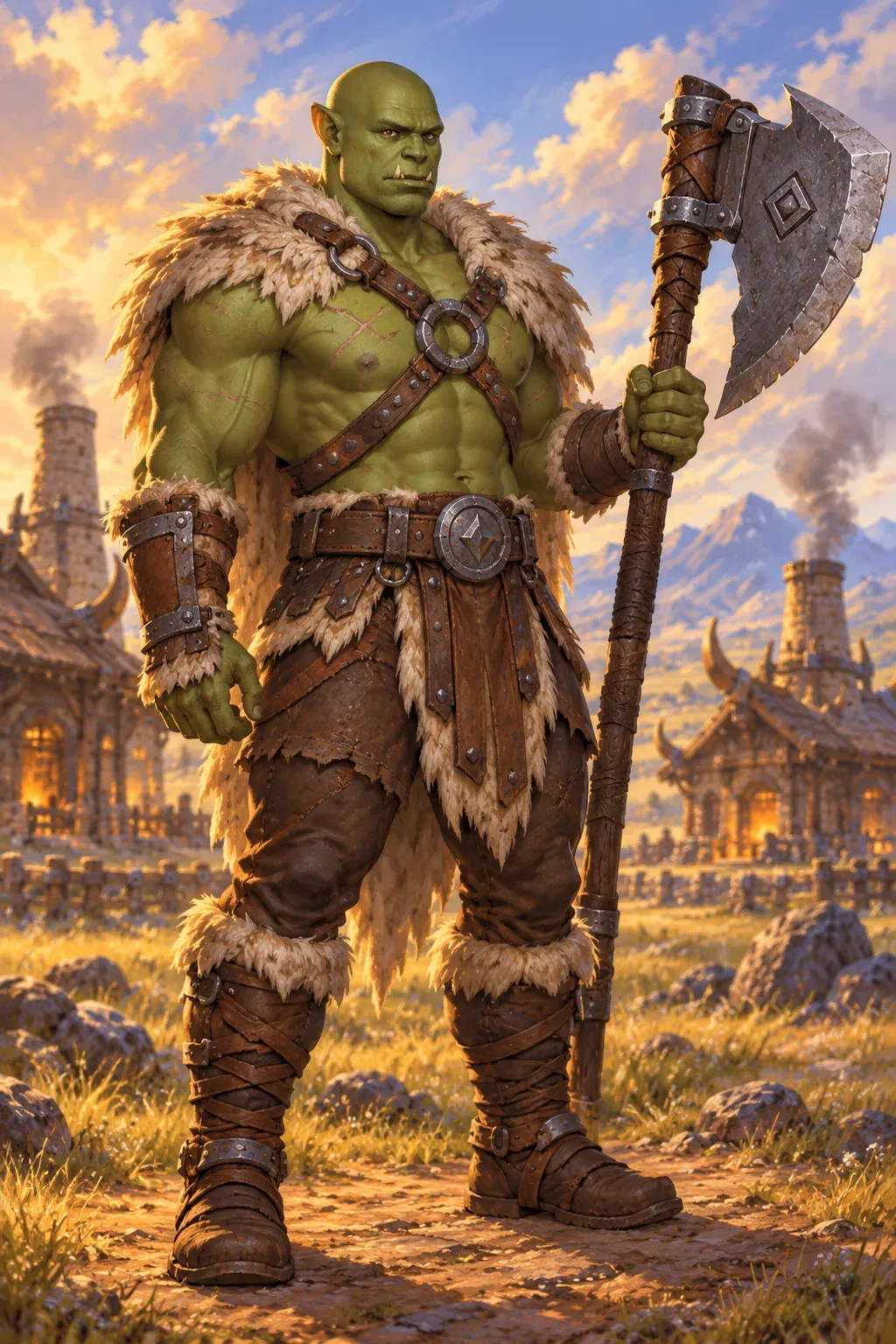
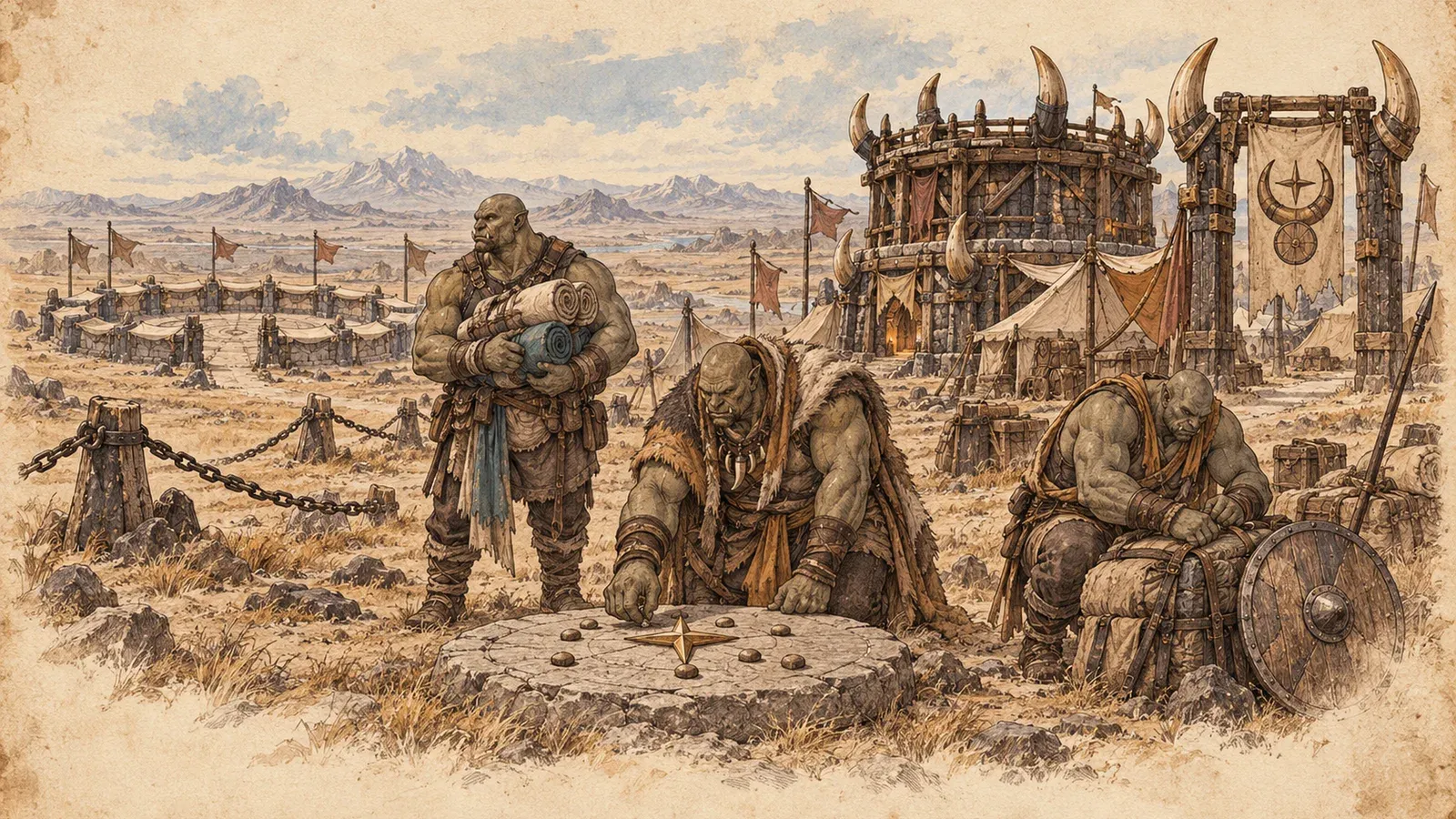
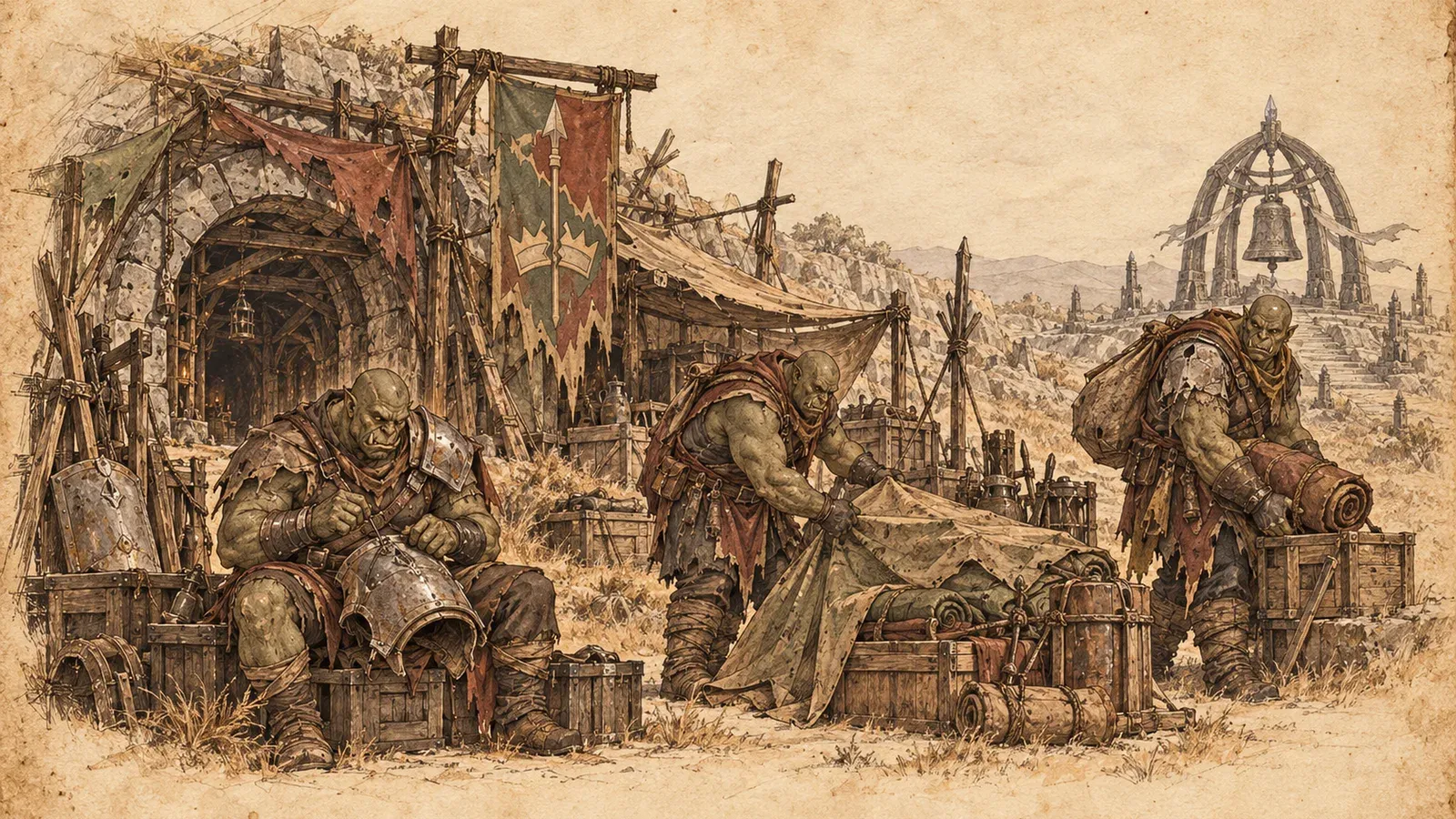
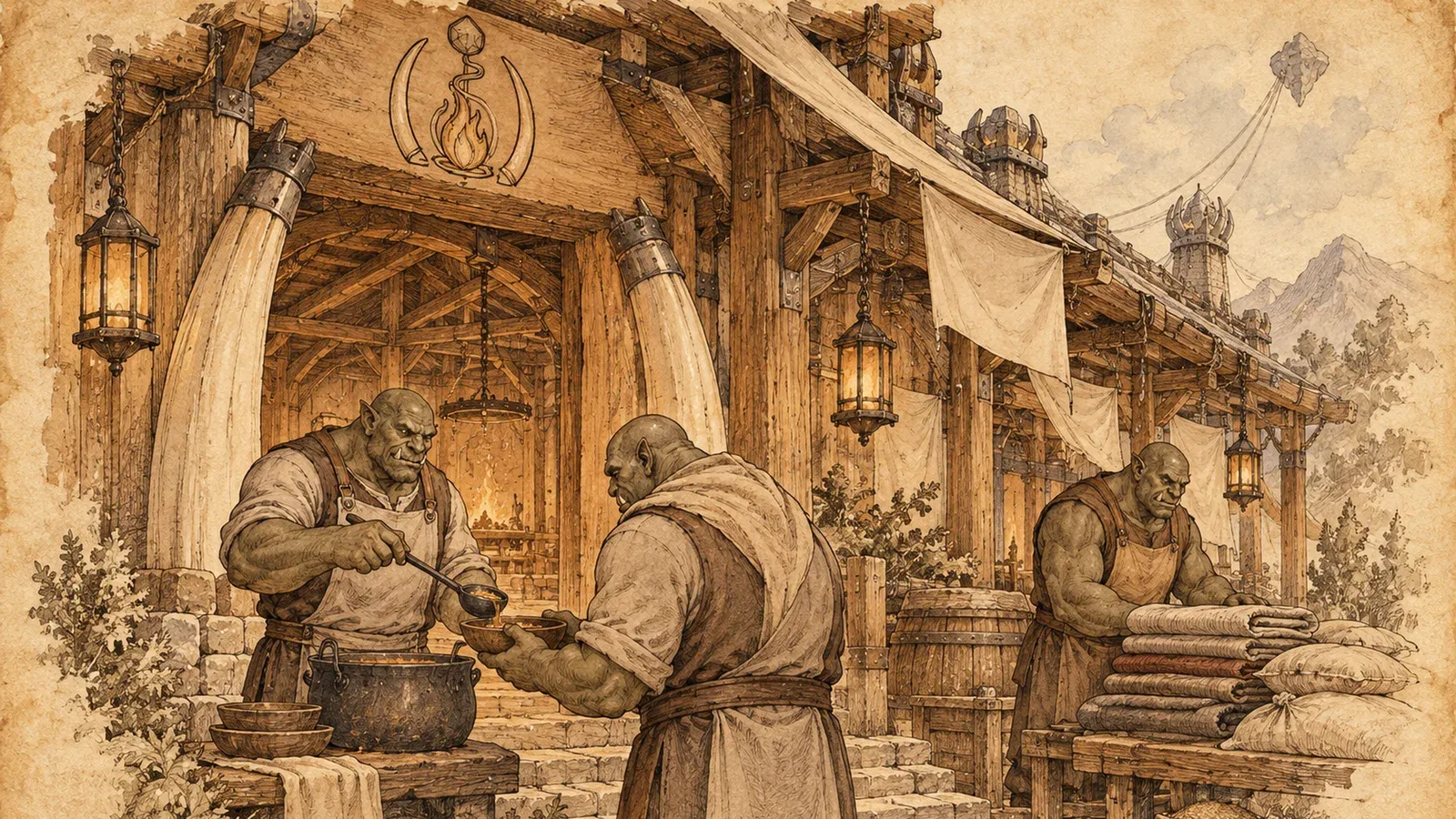
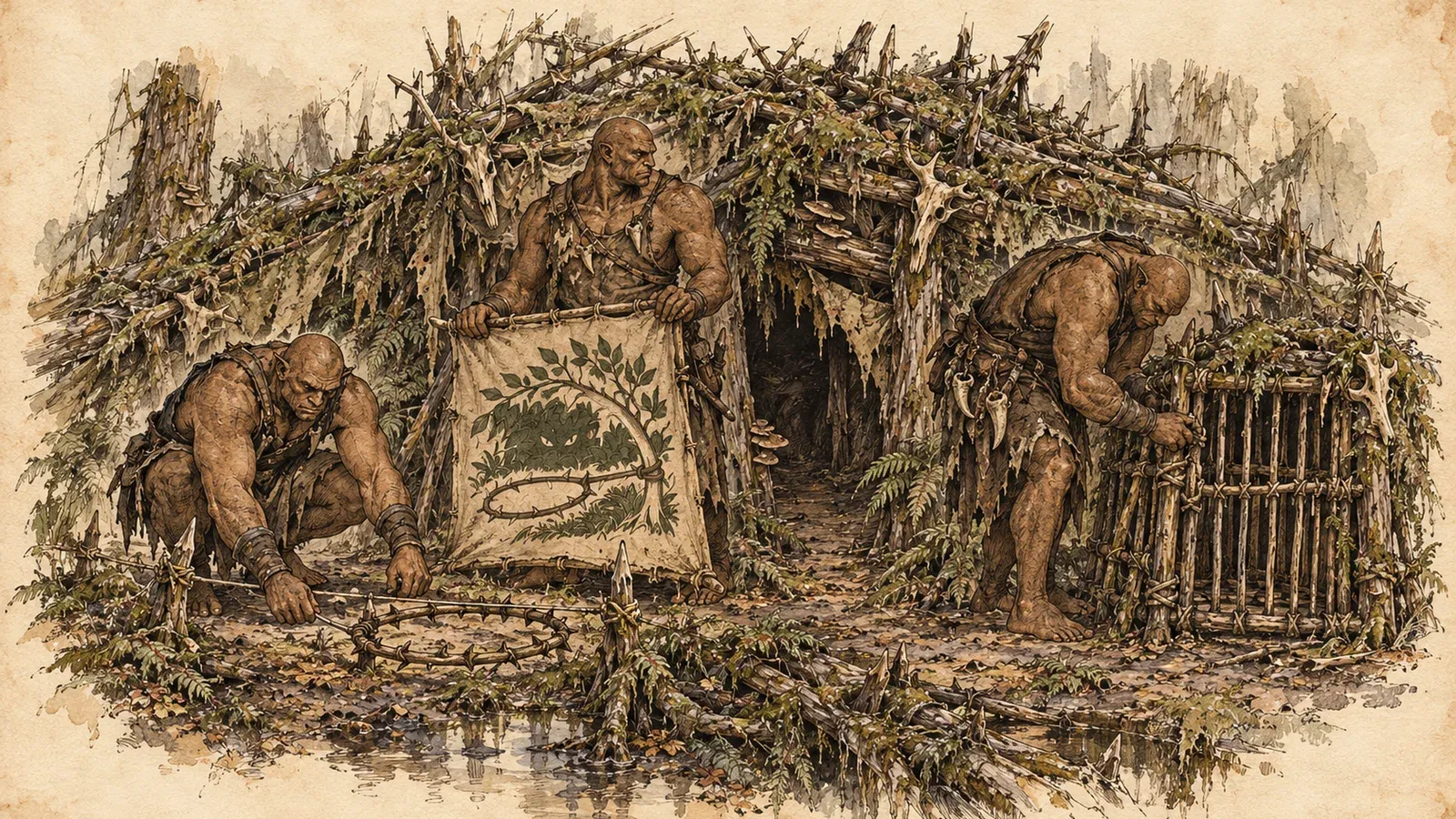
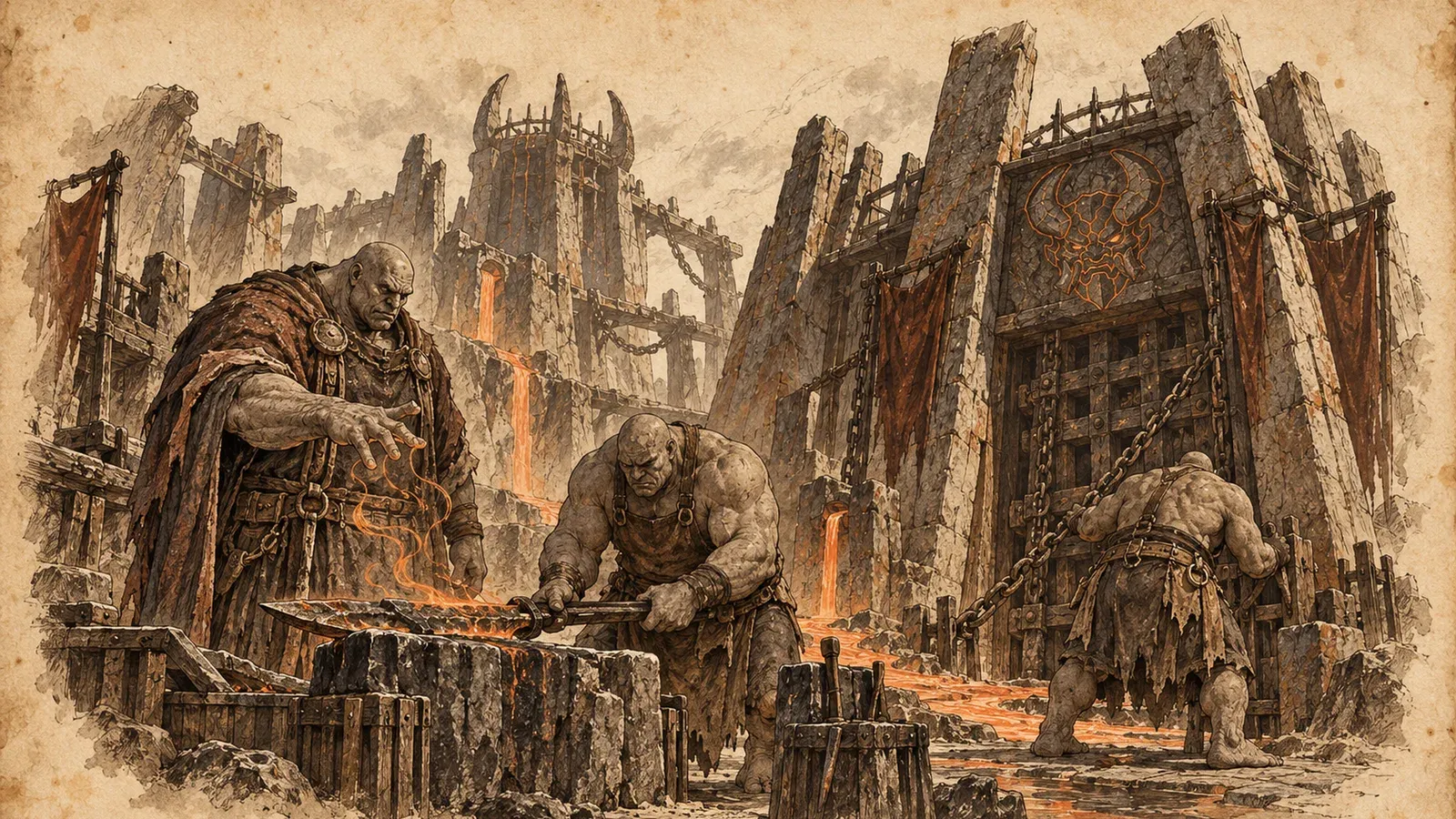
Orcs keep their history in scar and oath, not ledgers. Clan-forges bind kin, guest-hearths shelter strangers, and oath-breakers are exiled.
Ordered from the gentlest lands to the most dangerous.
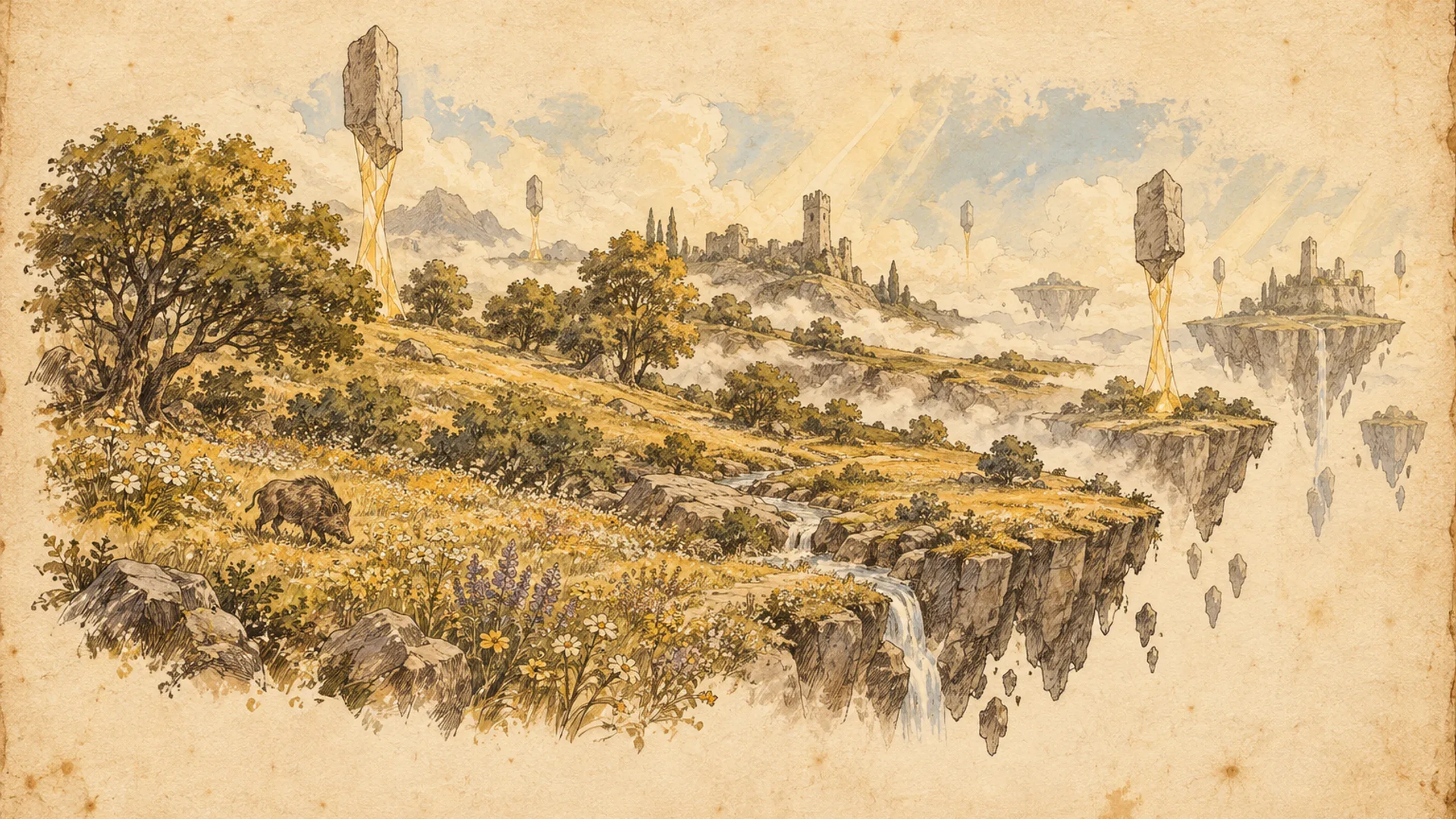
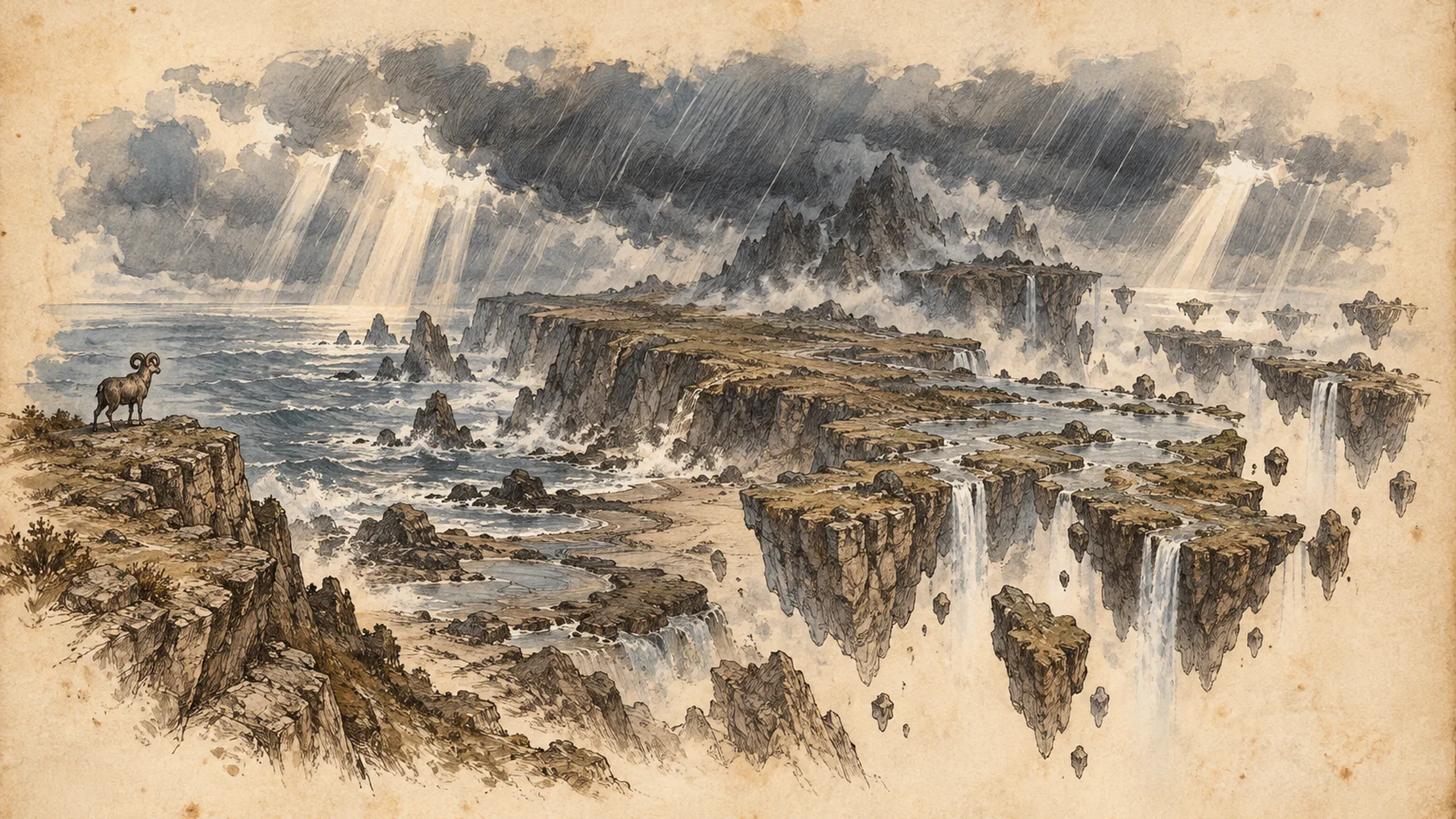
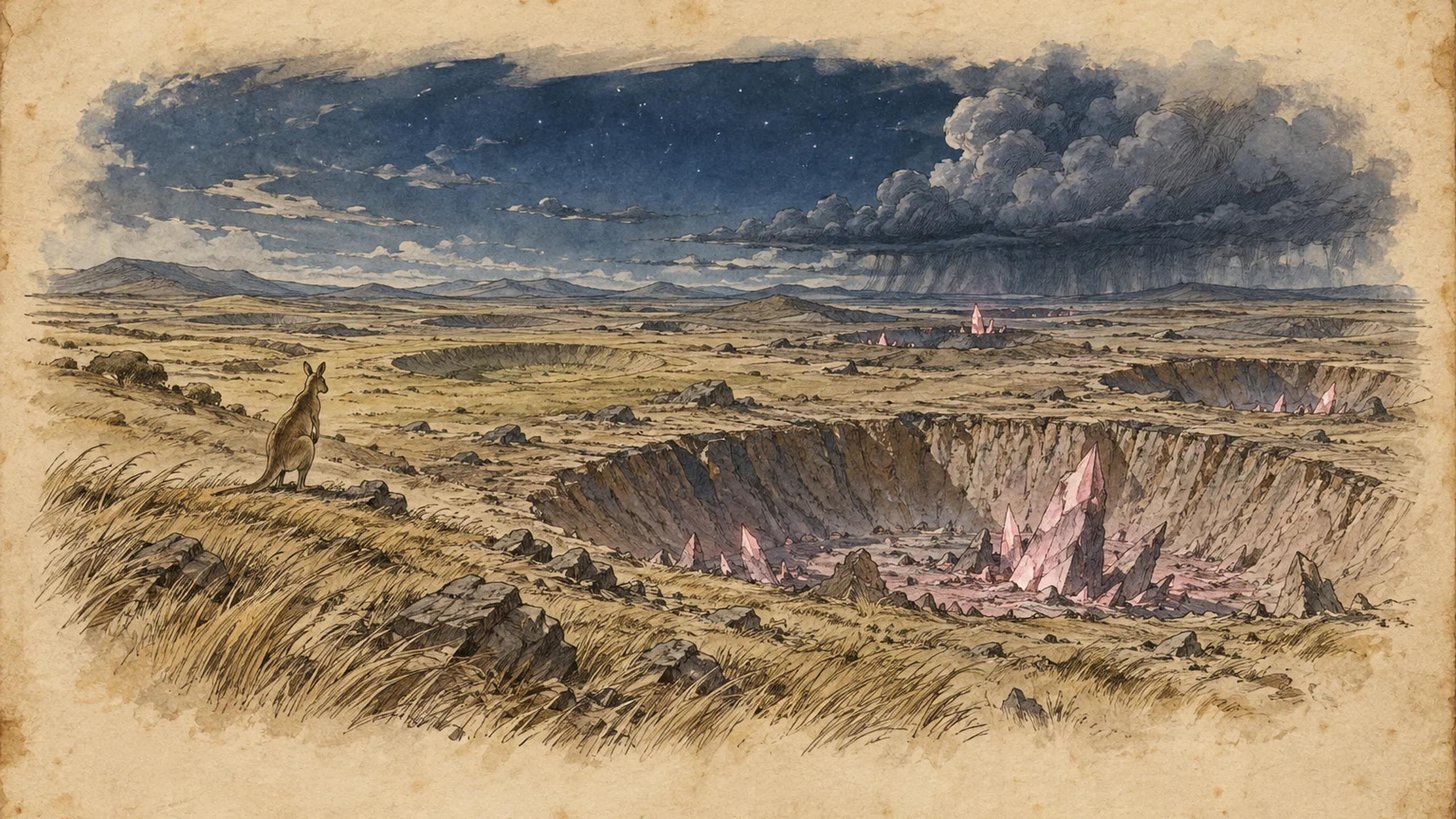
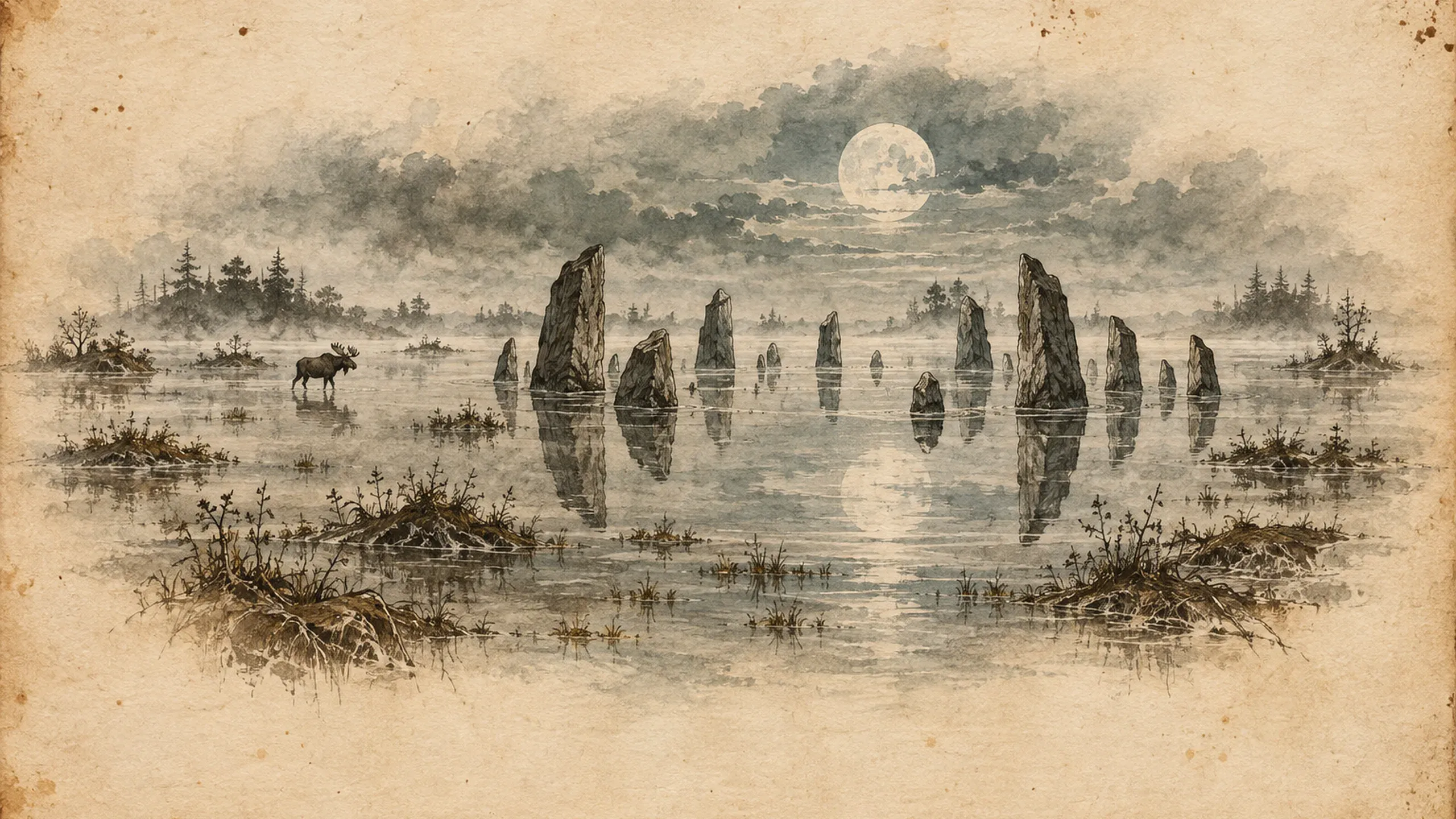
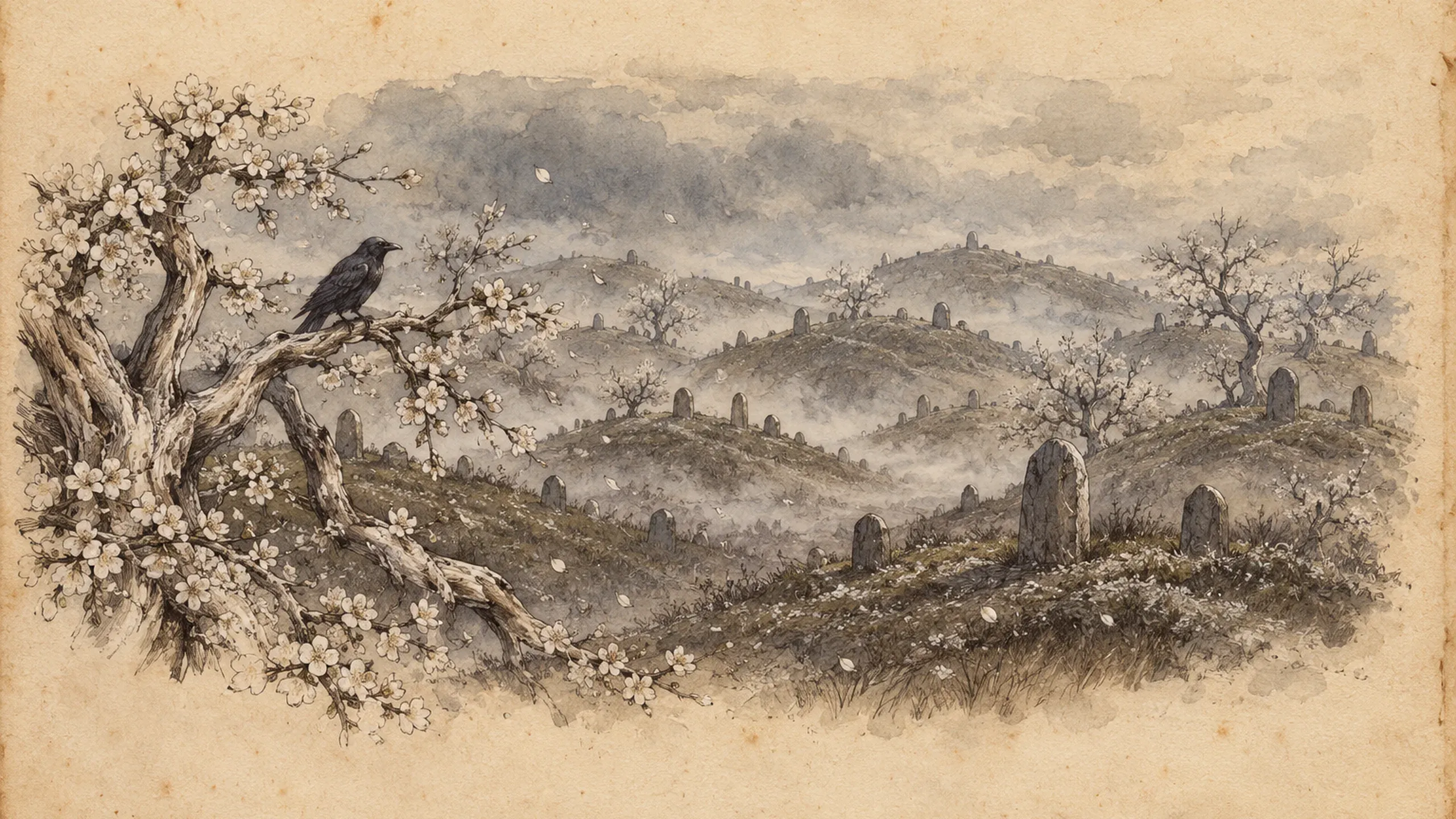
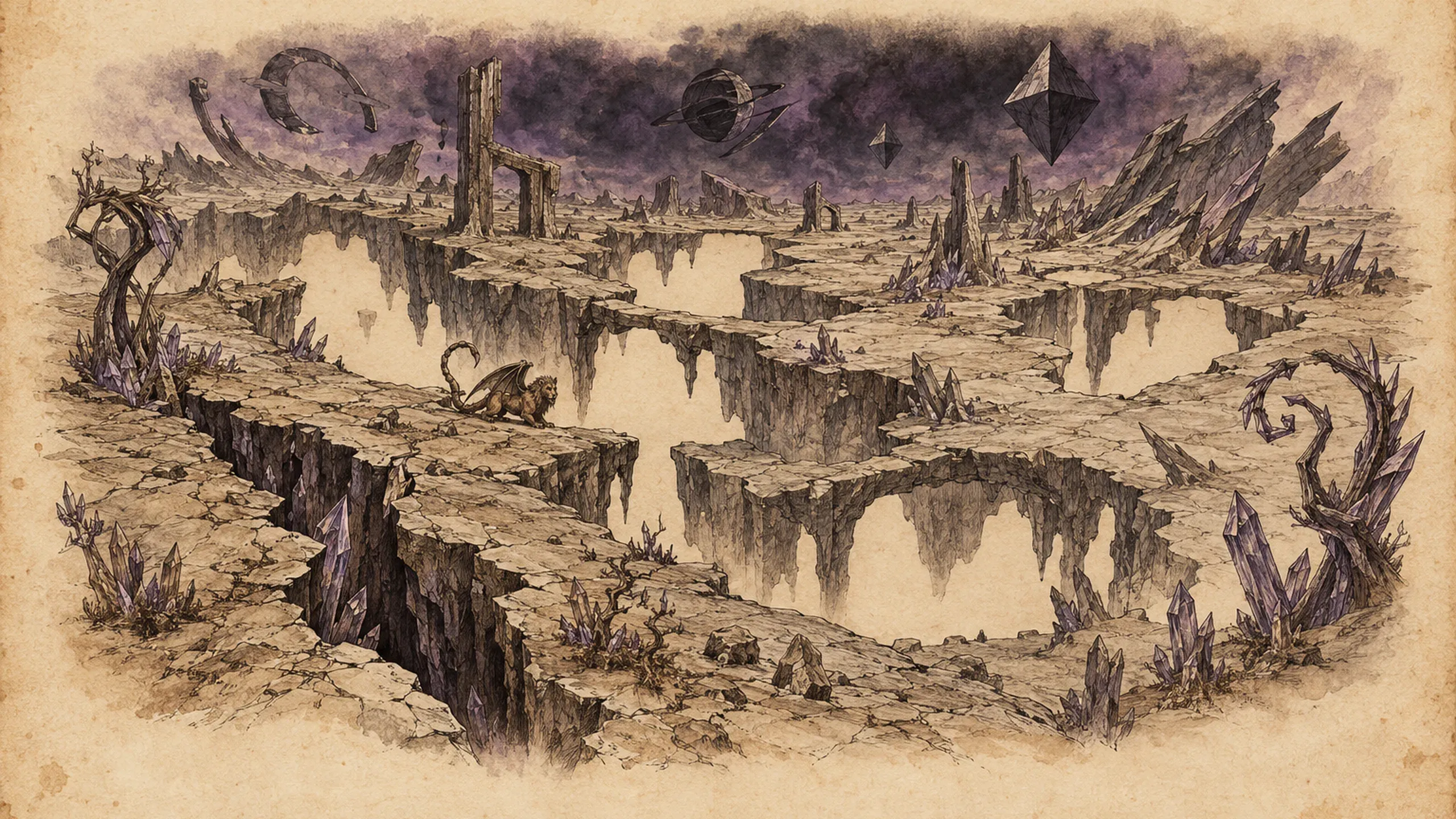
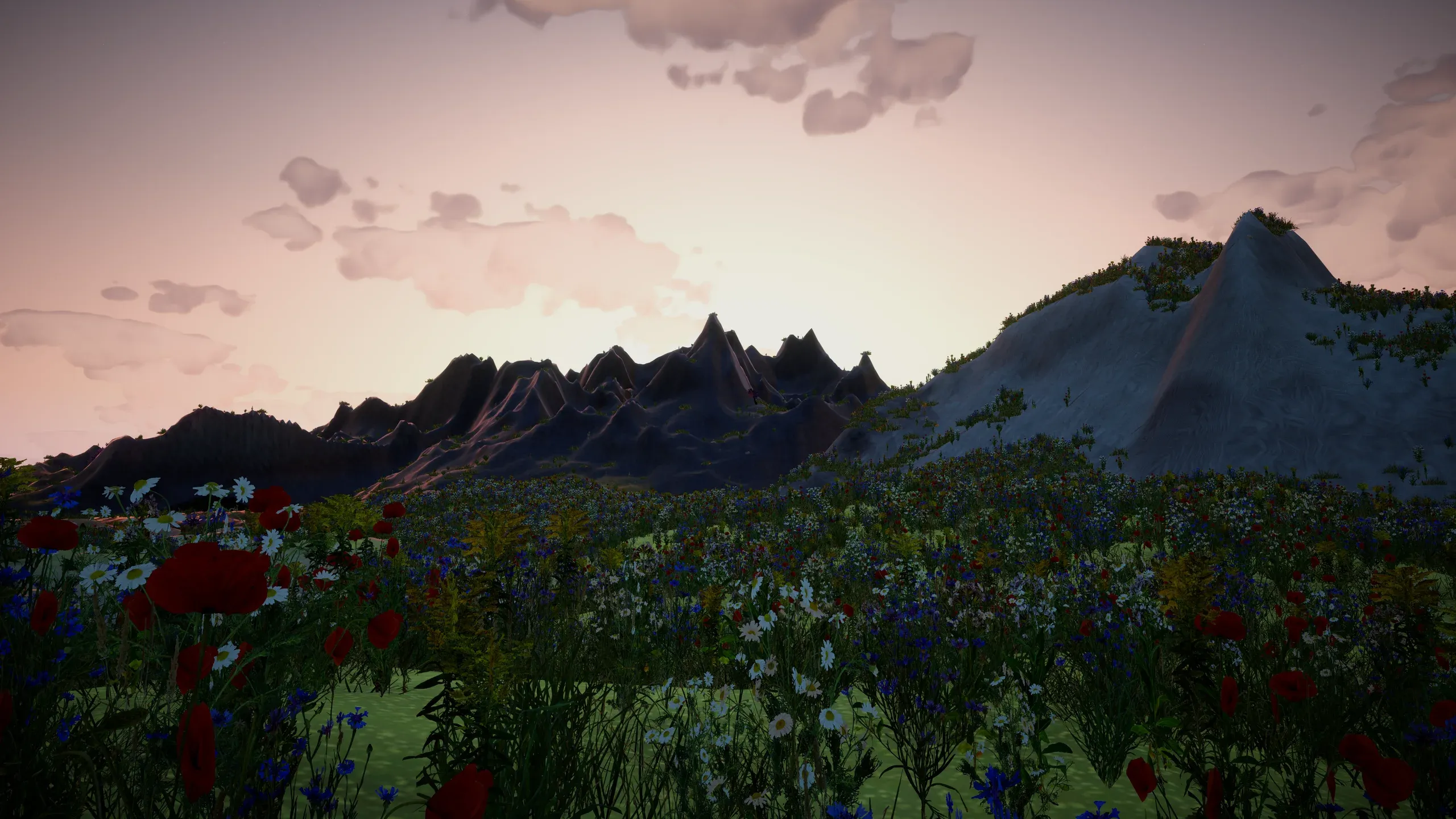
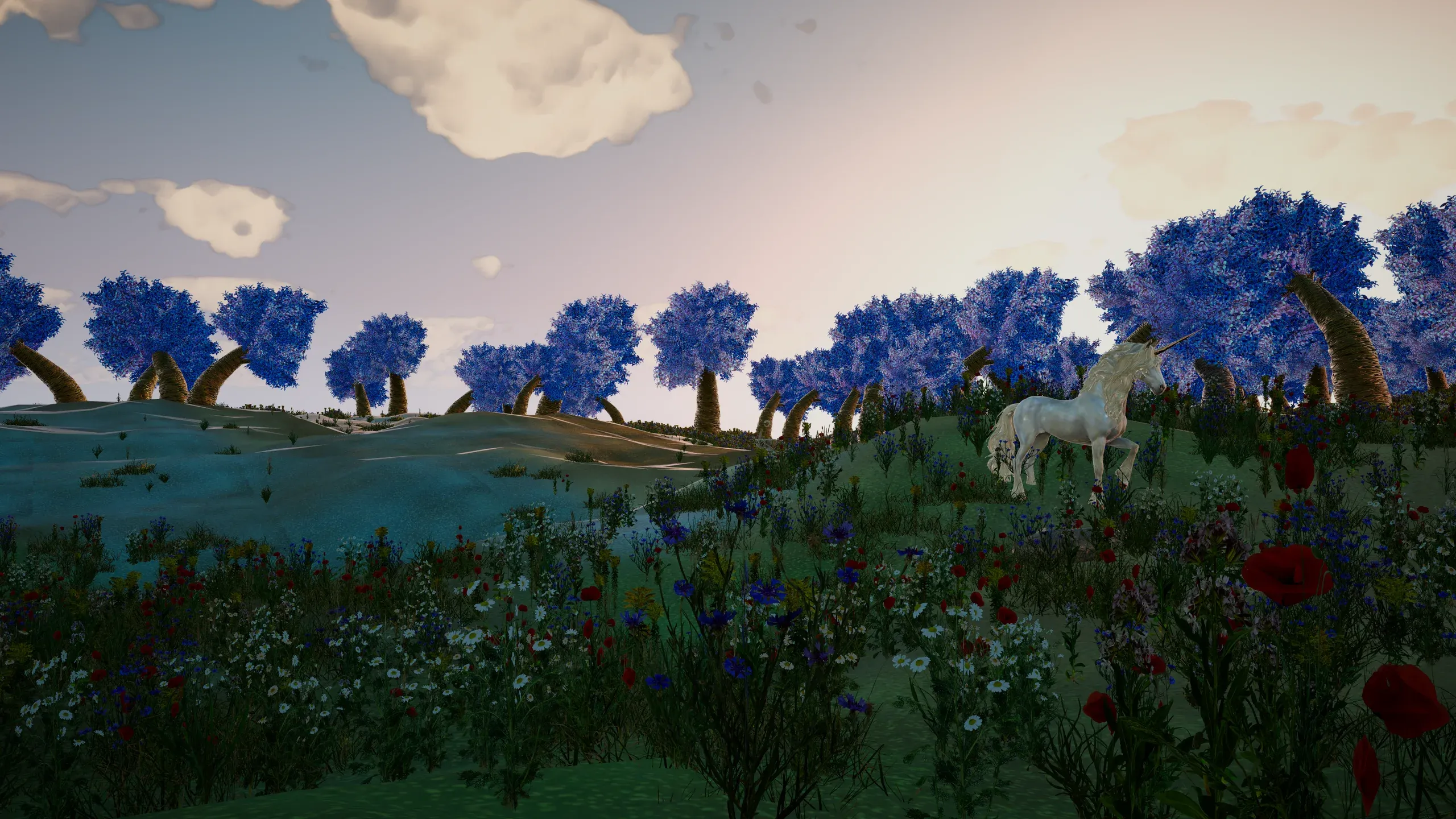
Golden meadows, beacon roads and hedgerow shrines. The world's breadbasket, farmed by elves, and never as safe as it looks at golden hour.
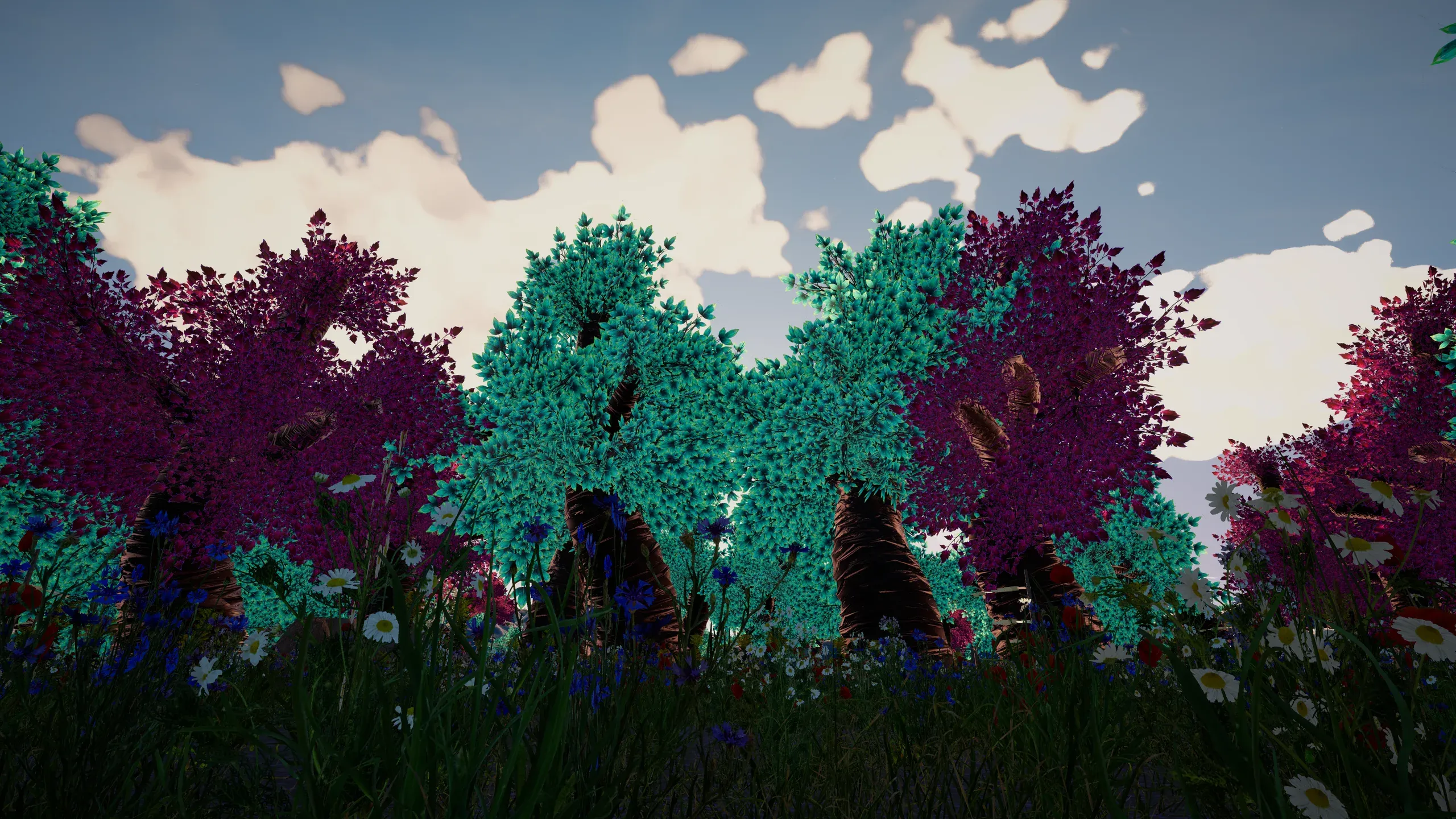
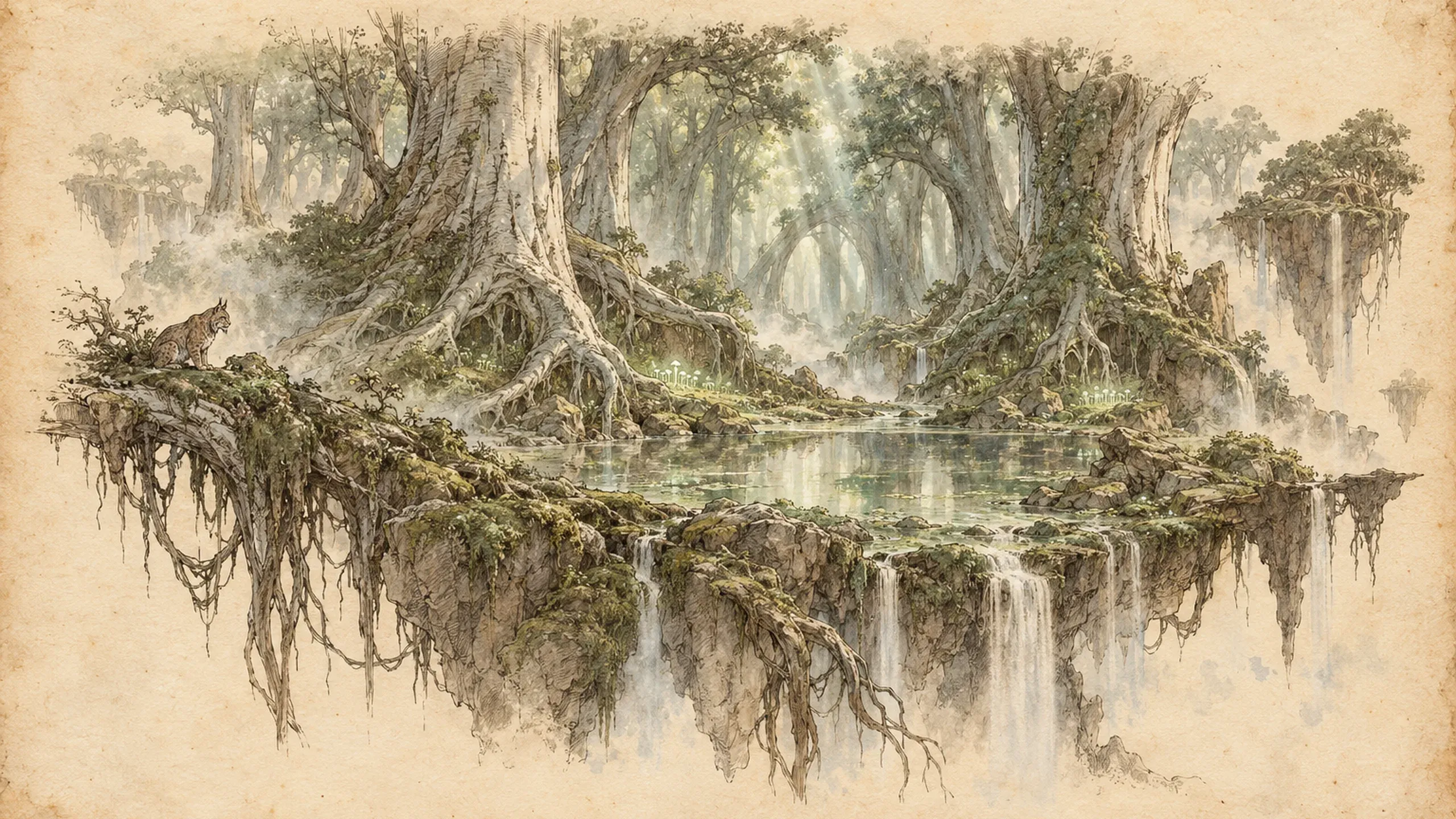
The oldest living forest: silver-barked giants, moon pools and glades that remember songs. A sacred wood, tended by human hands.
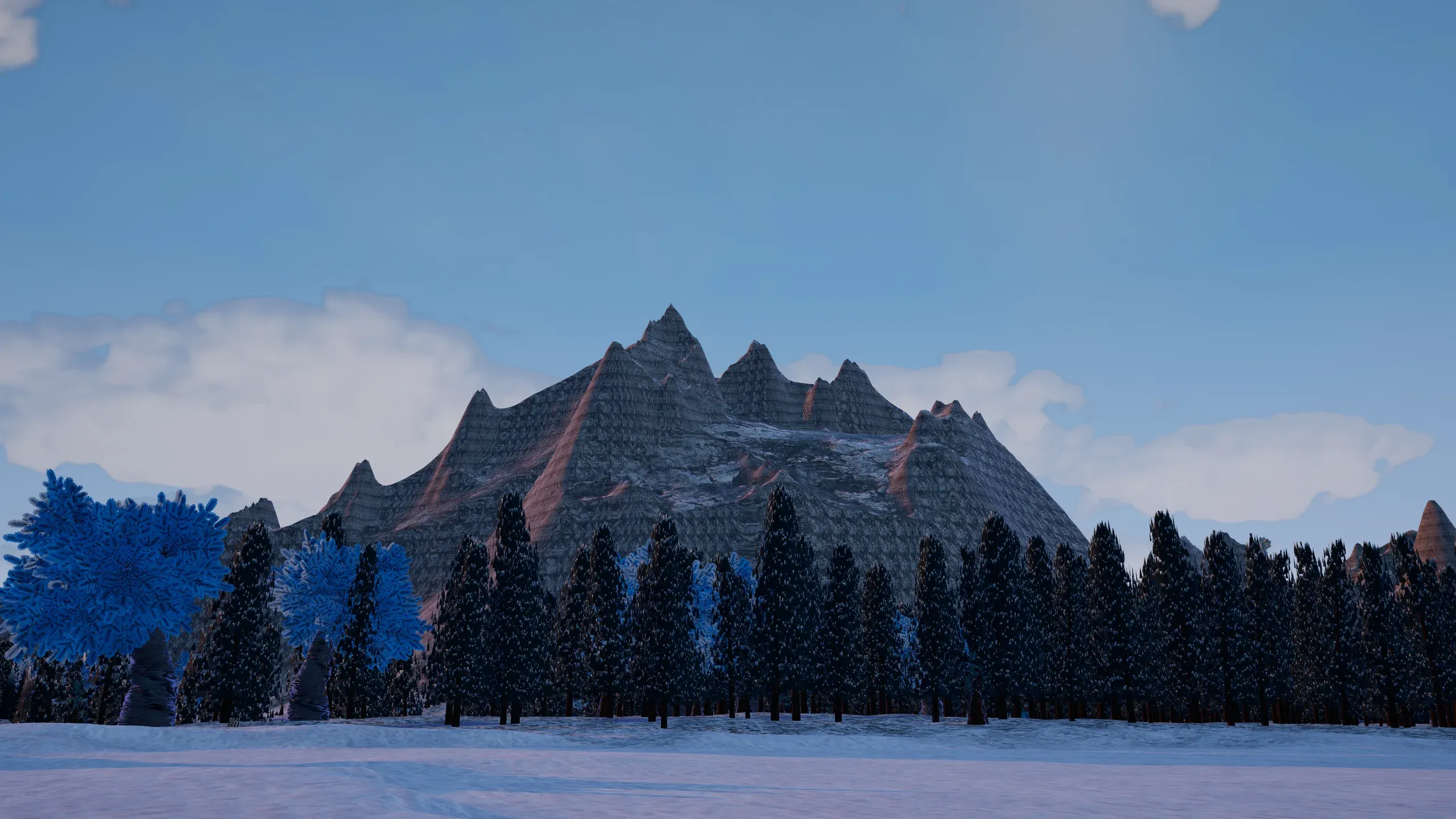
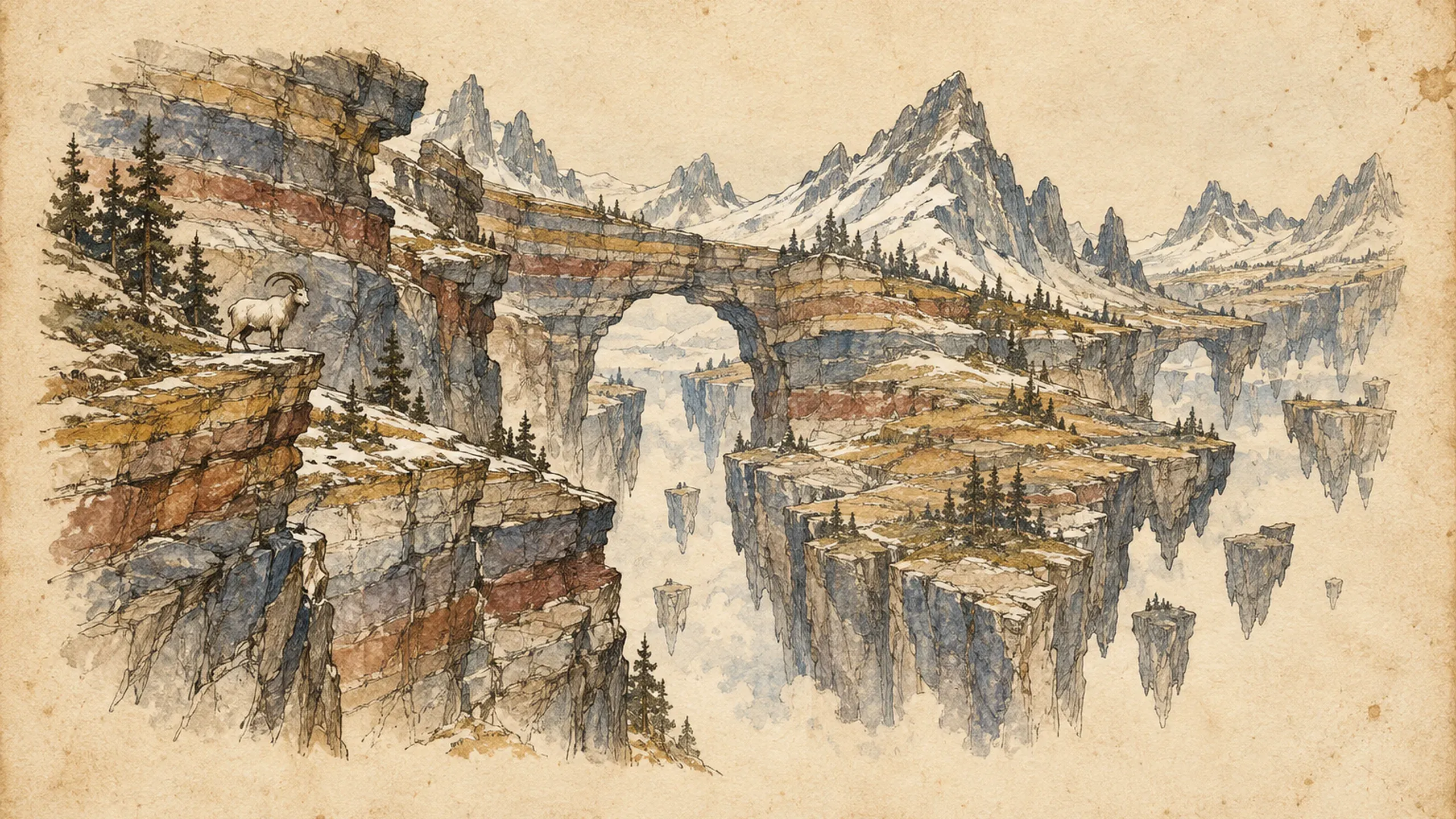
A kingdom of walls, quarries and switchbacks cut into strata the Shattering laid bare. Every ridge is a fort, every pass a treaty.
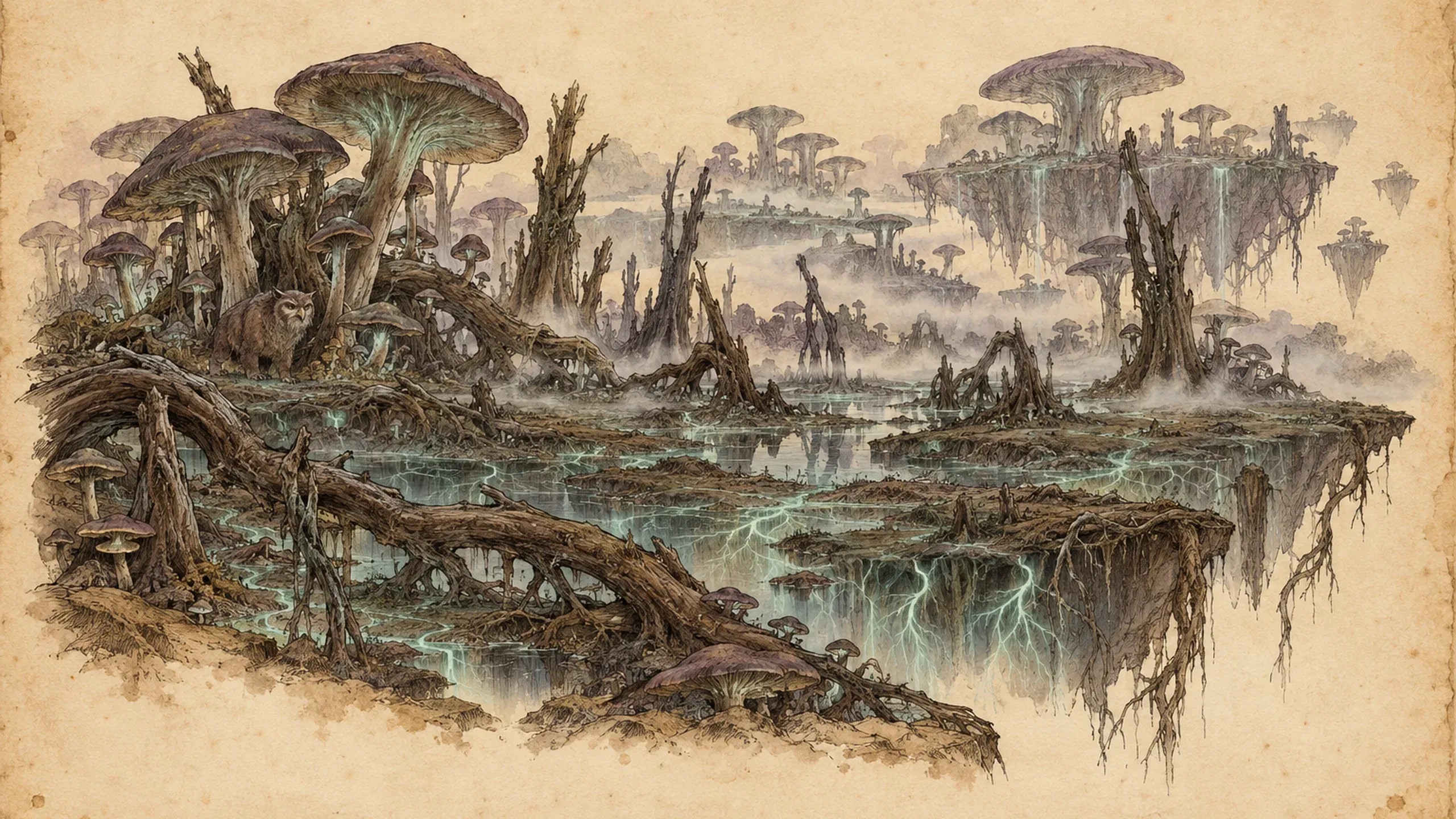
A twilight forest where roots glow through wet soil. Much of it is still holy, but here life and death stand close enough to touch.
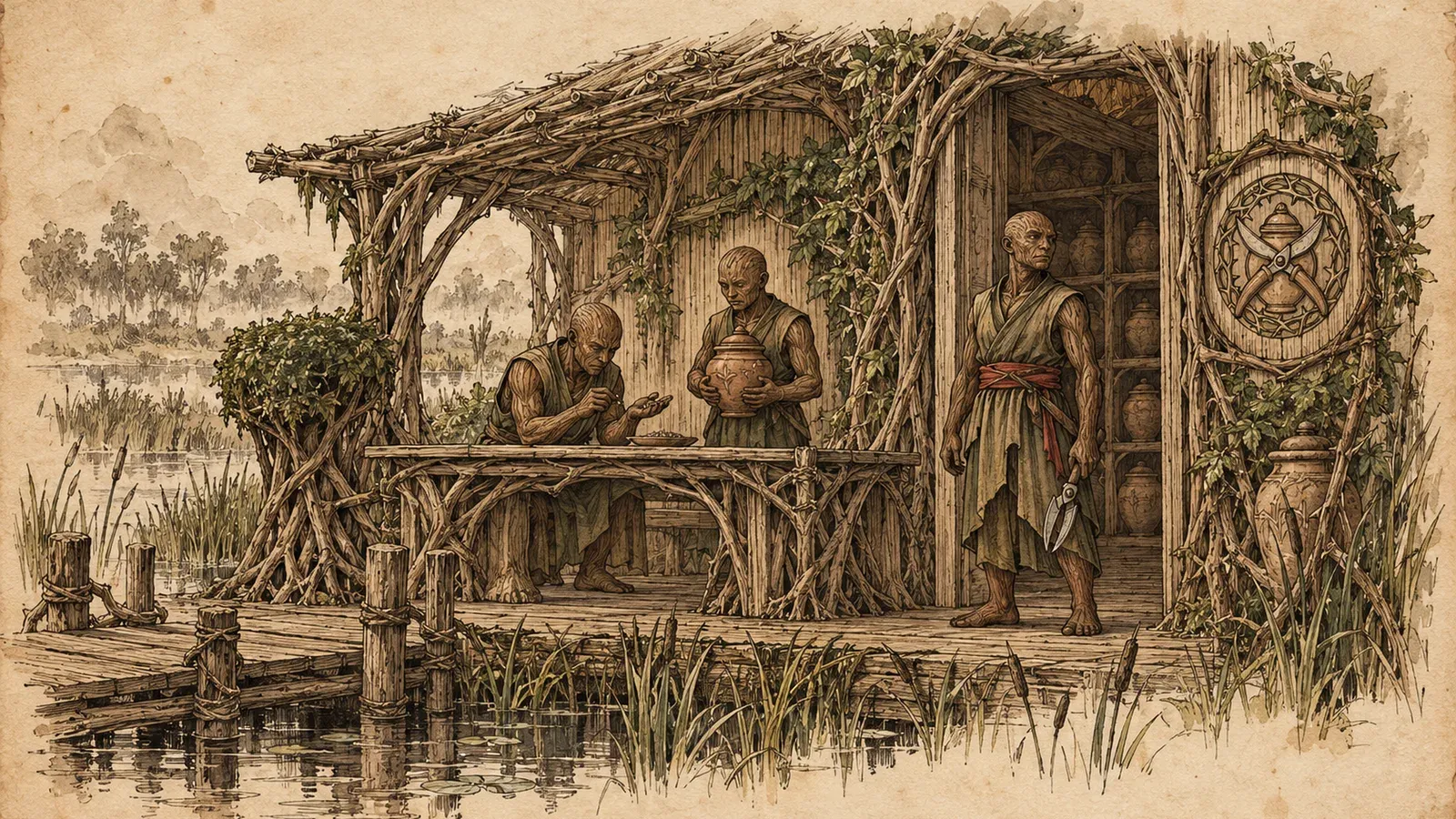
A dead coast whose far ocean fell into the Abyss. Merfolk and Reedkin live on salvage, nets and kelp, and nobody sails anymore.
Grassland pocked with star craters, some ancient, some still glowing. Stars shine by daylight, and orc horse-clans ride the horizon.
Mirror-still floods where stone rings are completed only by their reflections. The fen feeds the world and breeds legends just as fast.
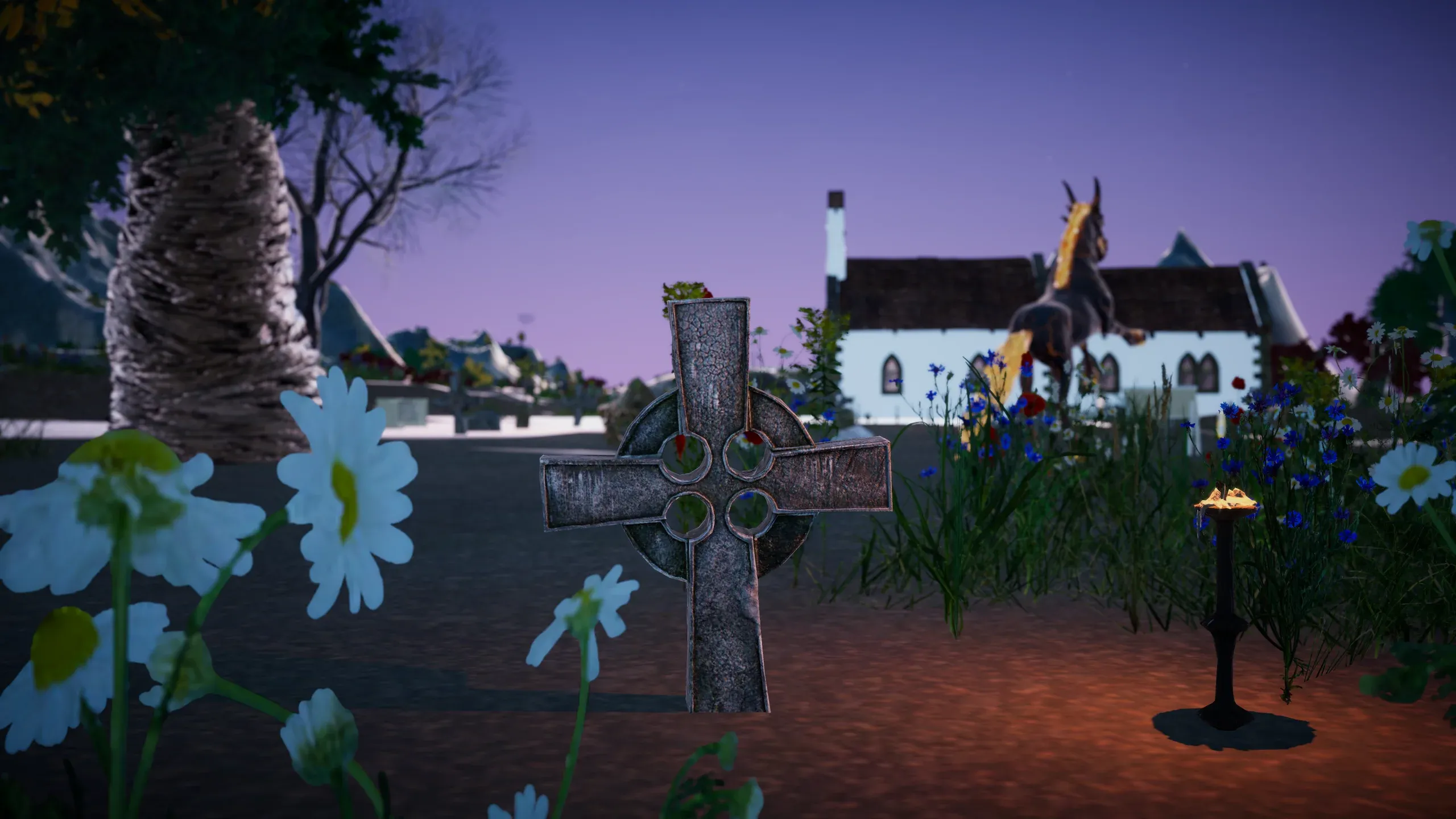
Every hill here is a grave. Grey-white flowers bloom over old battlefields, and the dead stay kind until they are denied their passage.
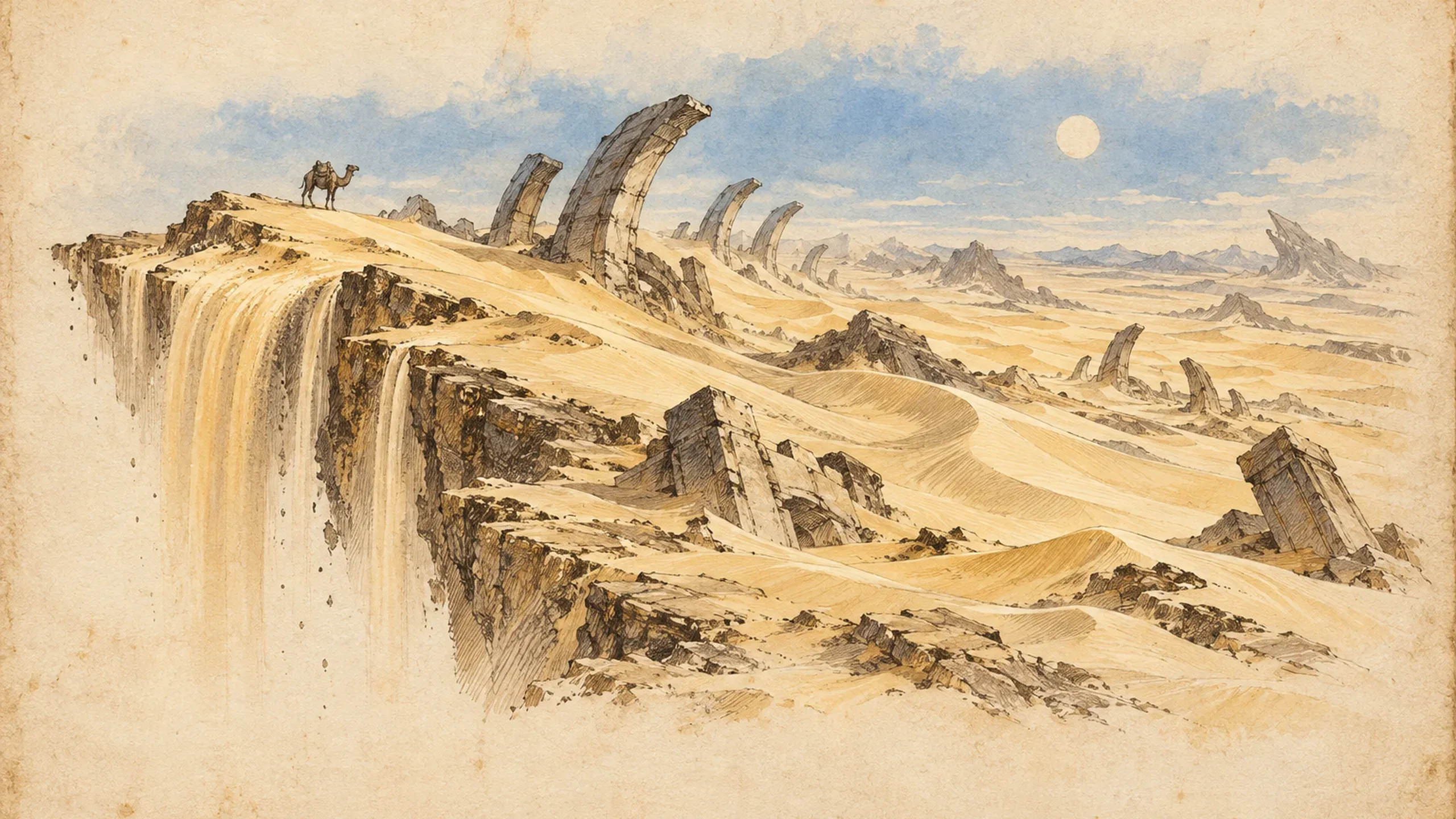
White-gold dunes pour off the shard's edge into the Abyss. Beneath them lie wells, tombs and dead caravans, and goblins hold the salt road.
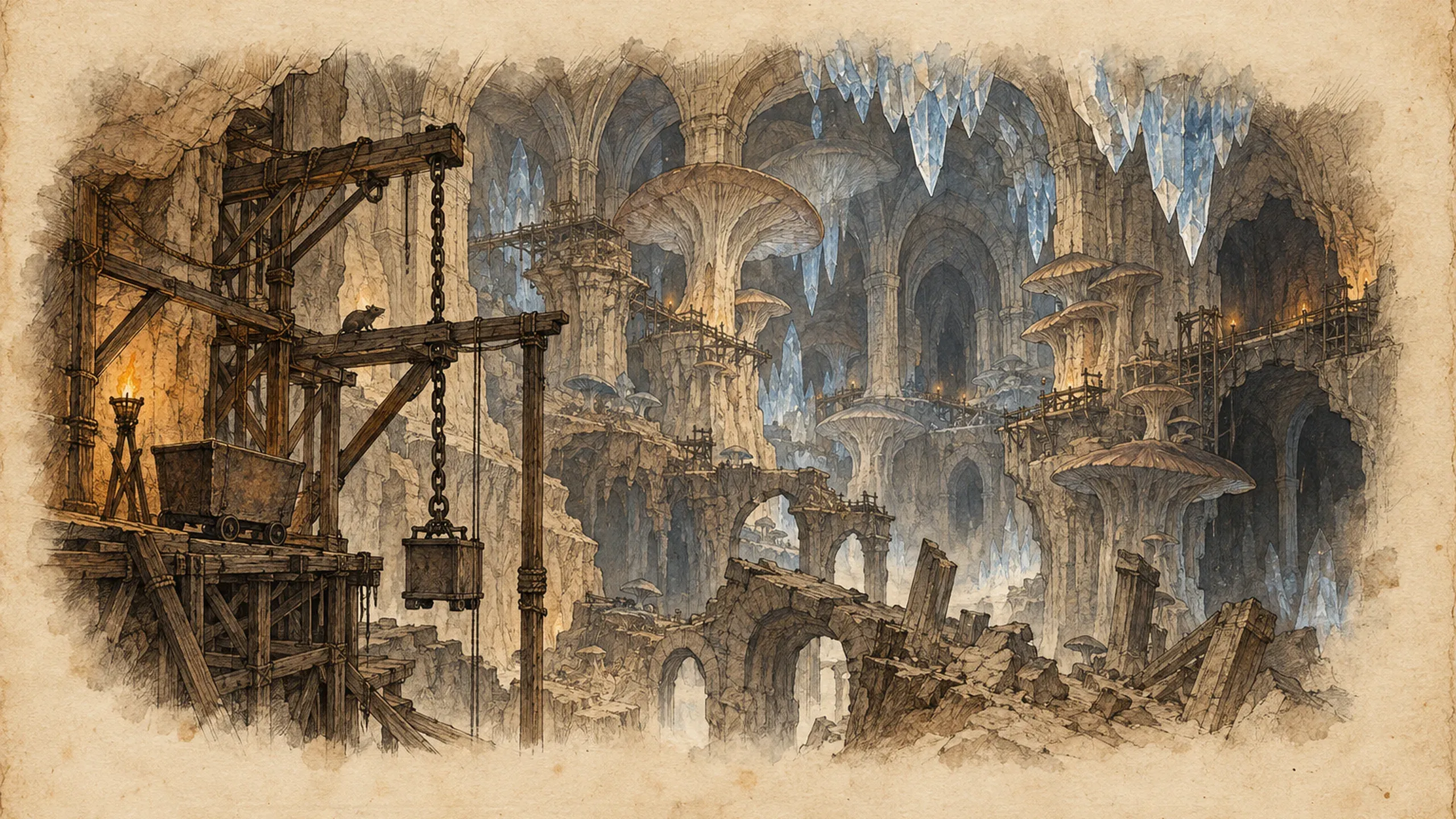
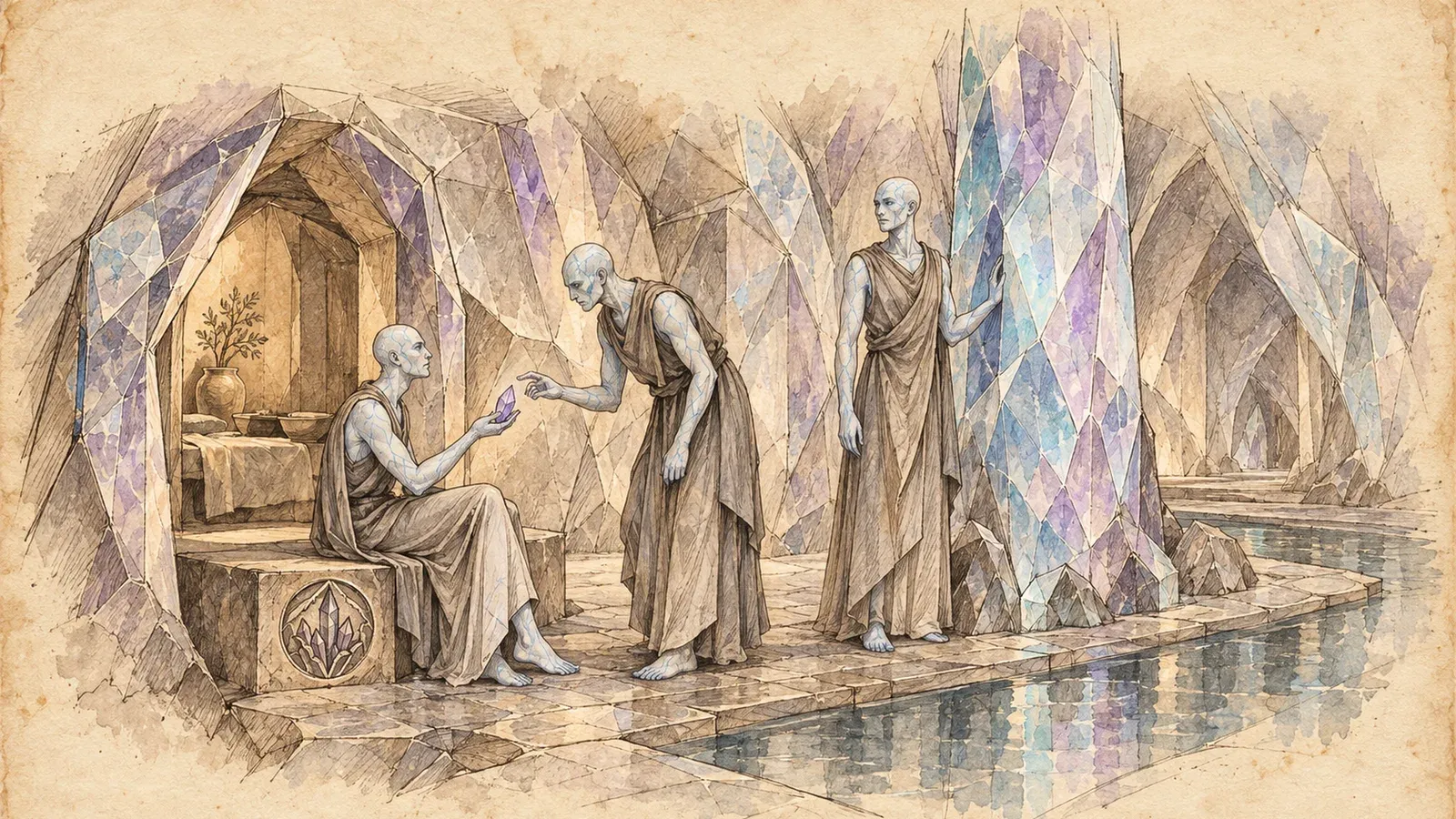
No sky, only carved vaults, crystal light and fungal farms. Many peoples dug the world below, and none of them truly own it.
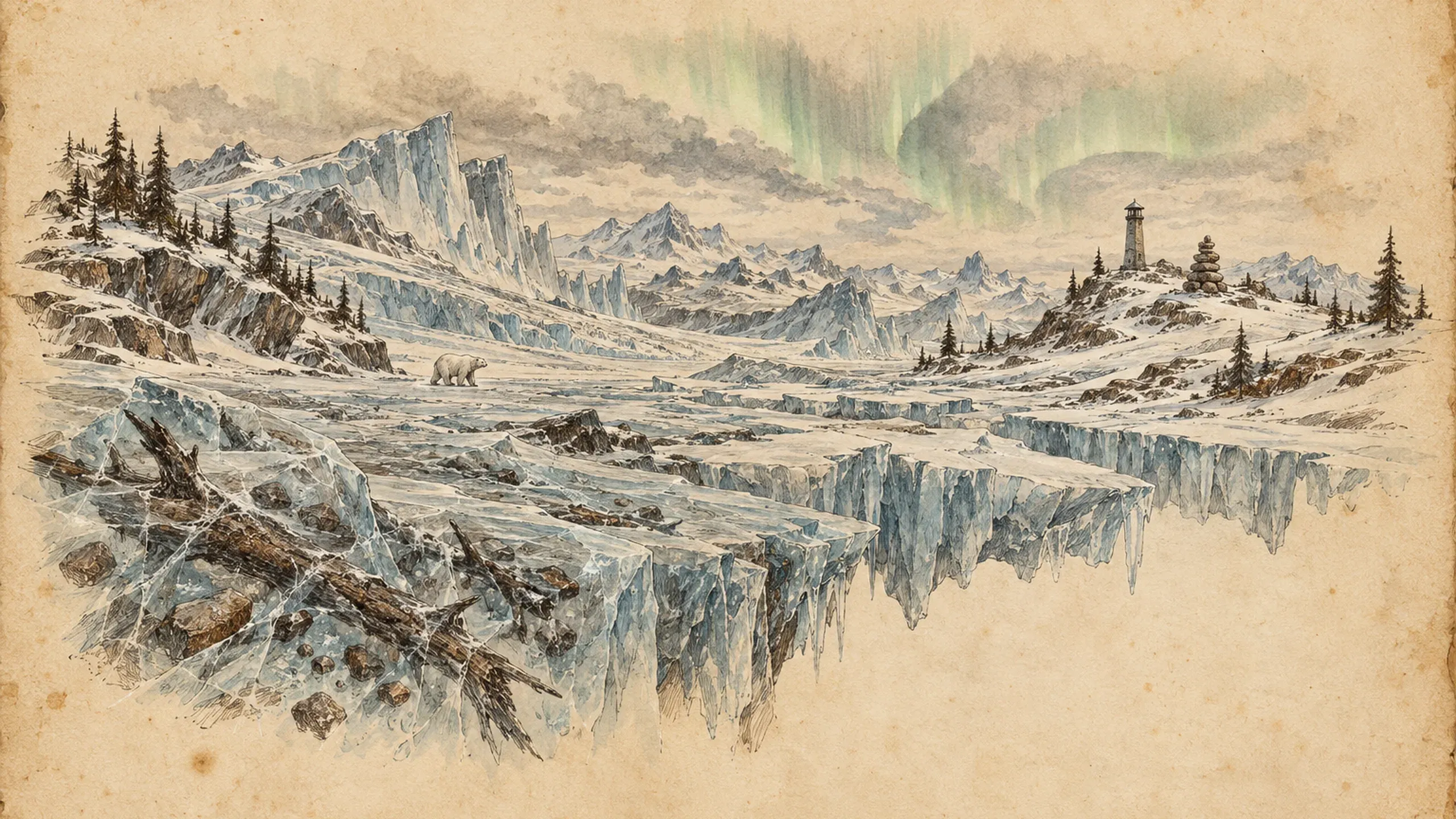
Time froze here mid-catastrophe: glacier shelves over the Abyss, things caught in clear ice mid-motion. The cold forgives no mistake.
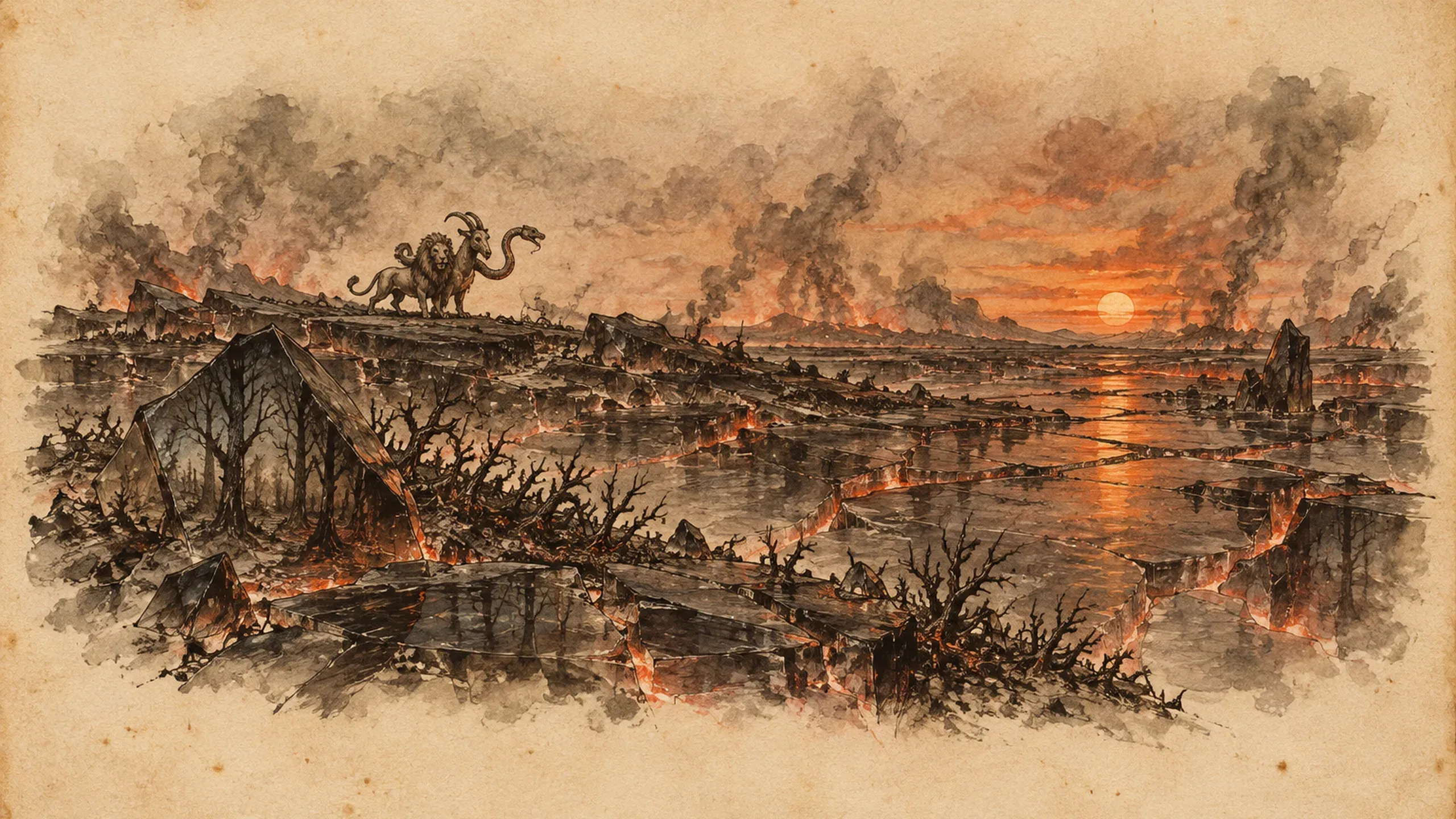
Mirror-black obsidian over a living furnace. Burned forests lie preserved in glass, and the orc foundries never go cold.
Not corrupted but actively unmade. Ground goes missing, shadows fall the wrong way, and even successful expeditions return changed.
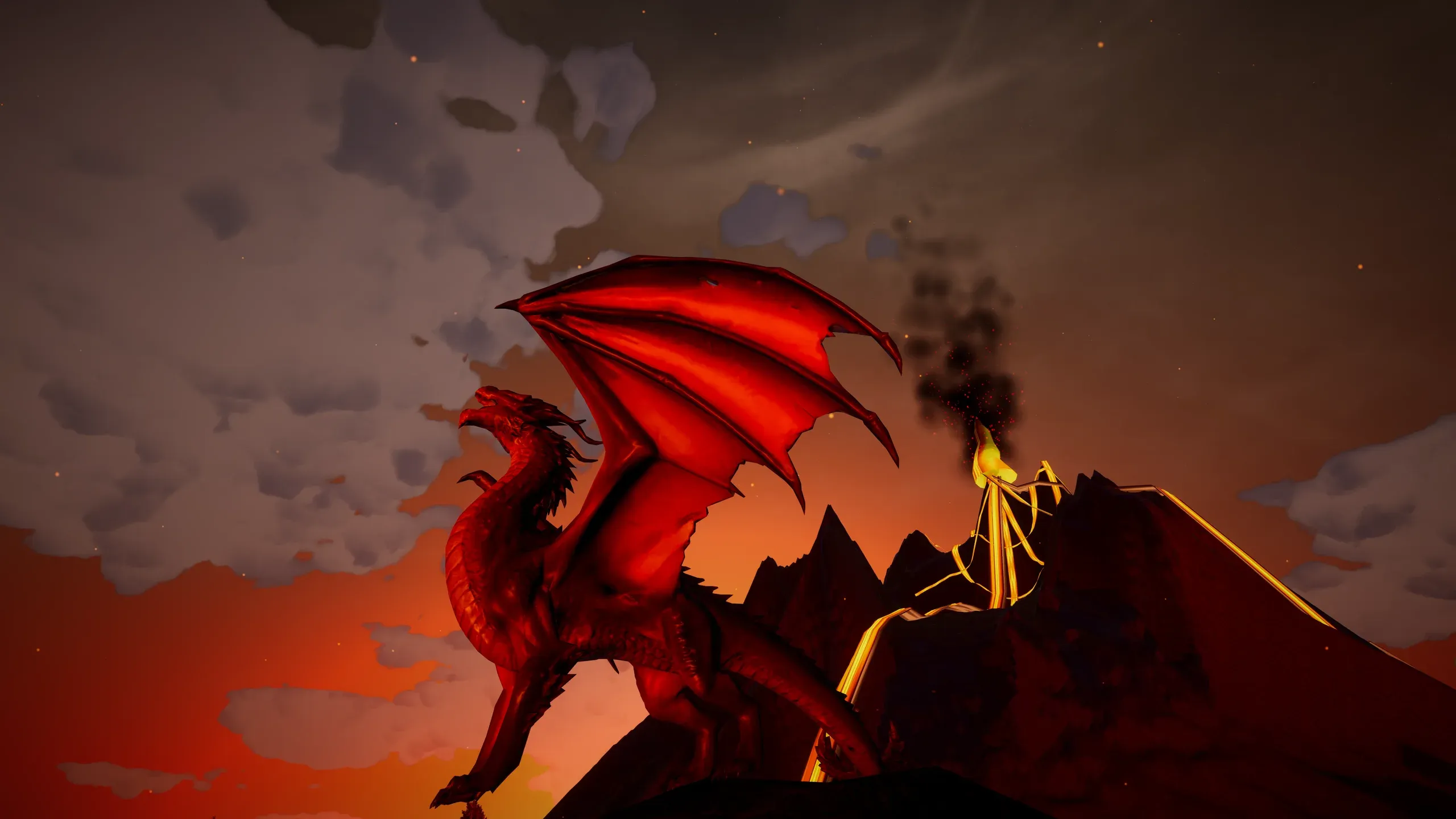
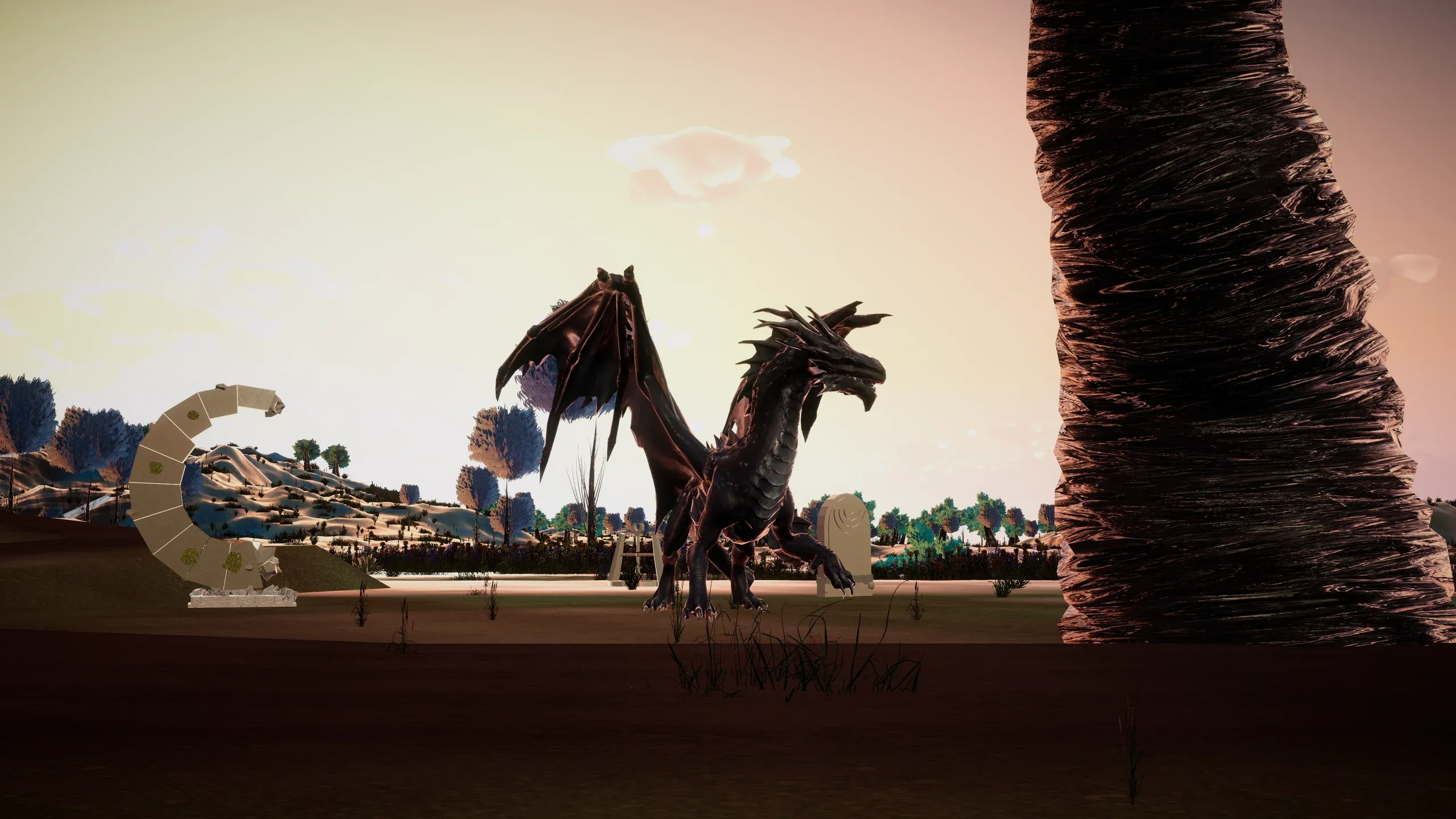
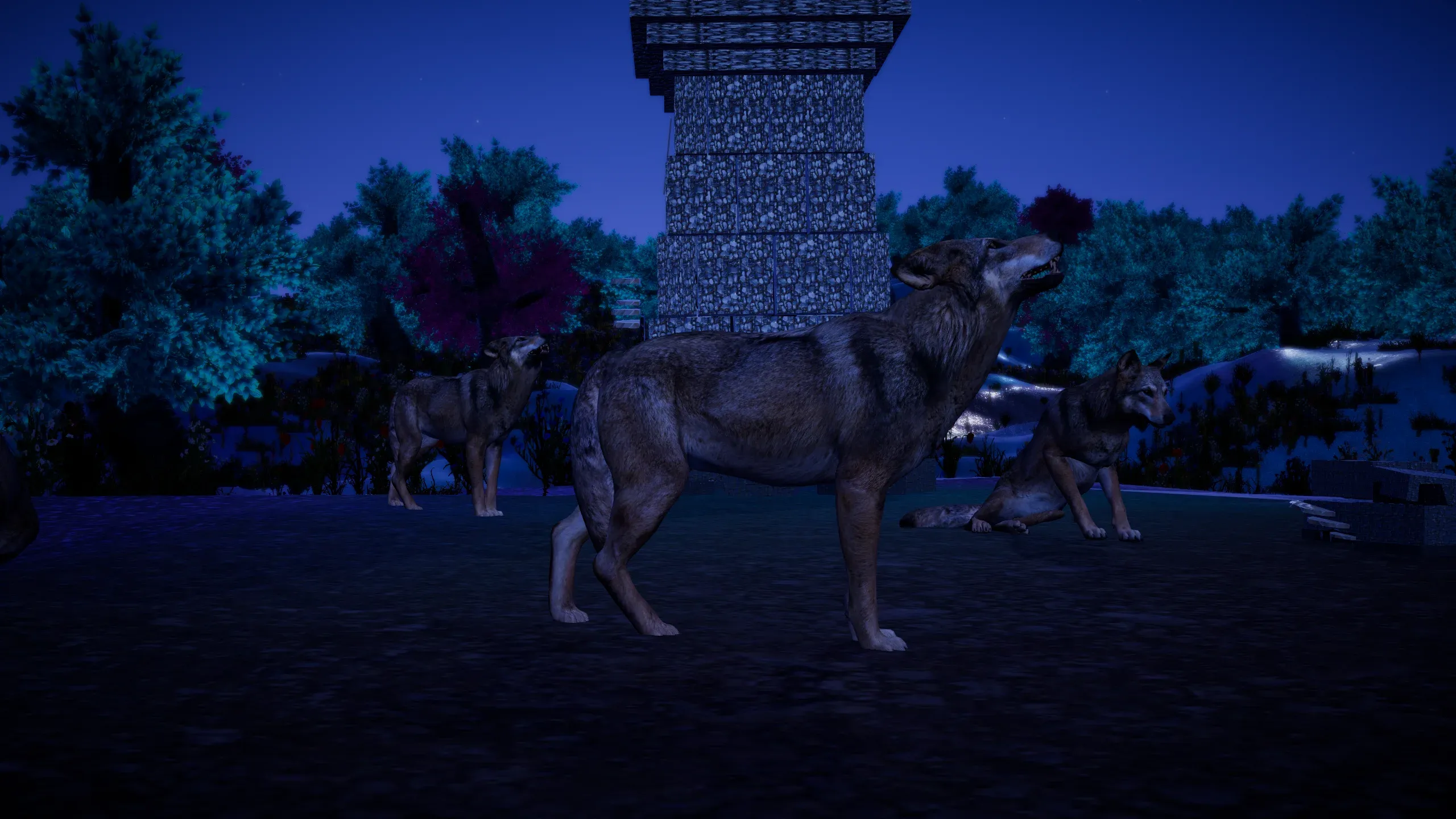
176 creatures in 13 families, from wolves to dragons, 49 kinds of wildlife, and 16 more races to trade with, hunt, or fear.
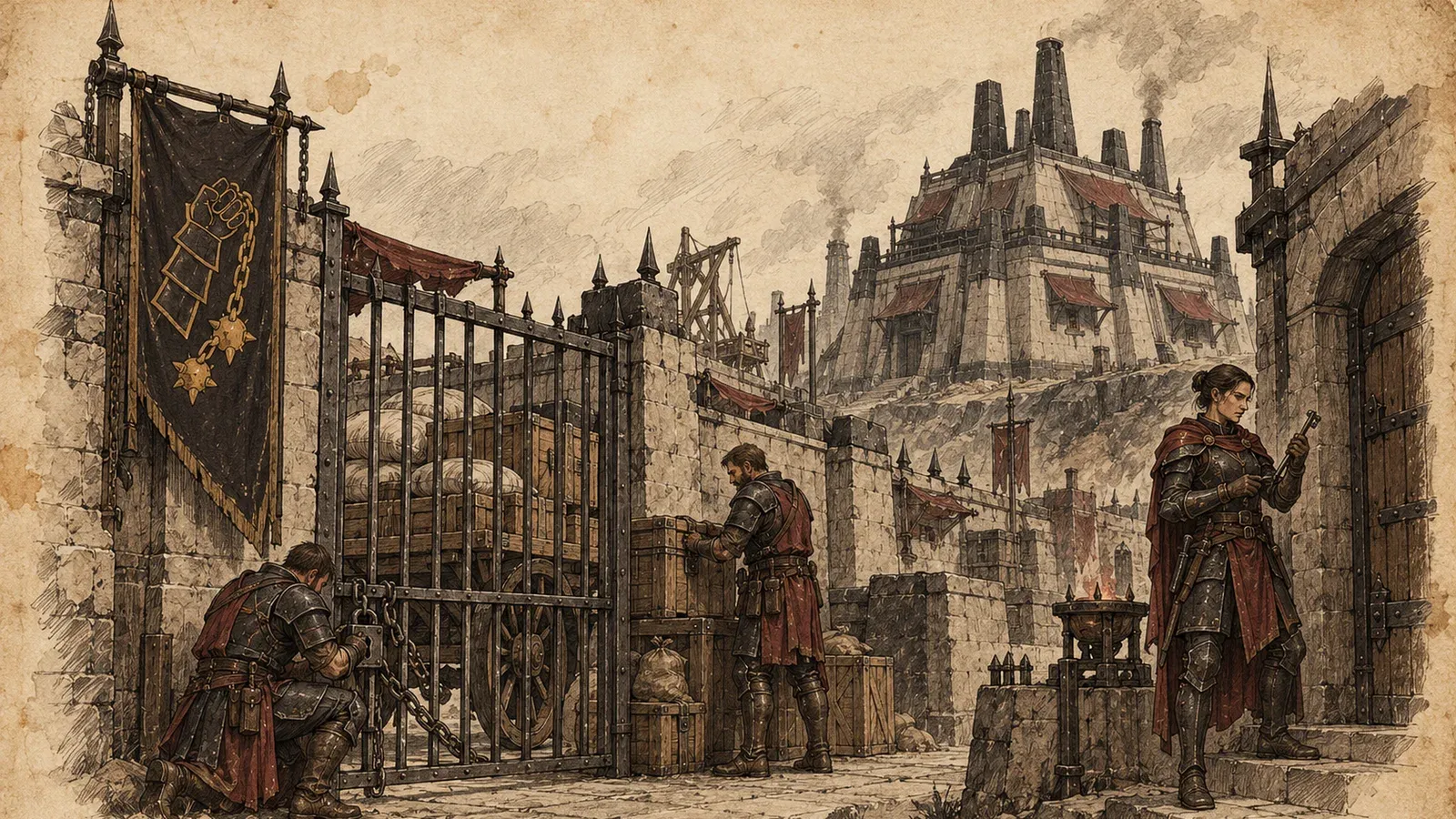
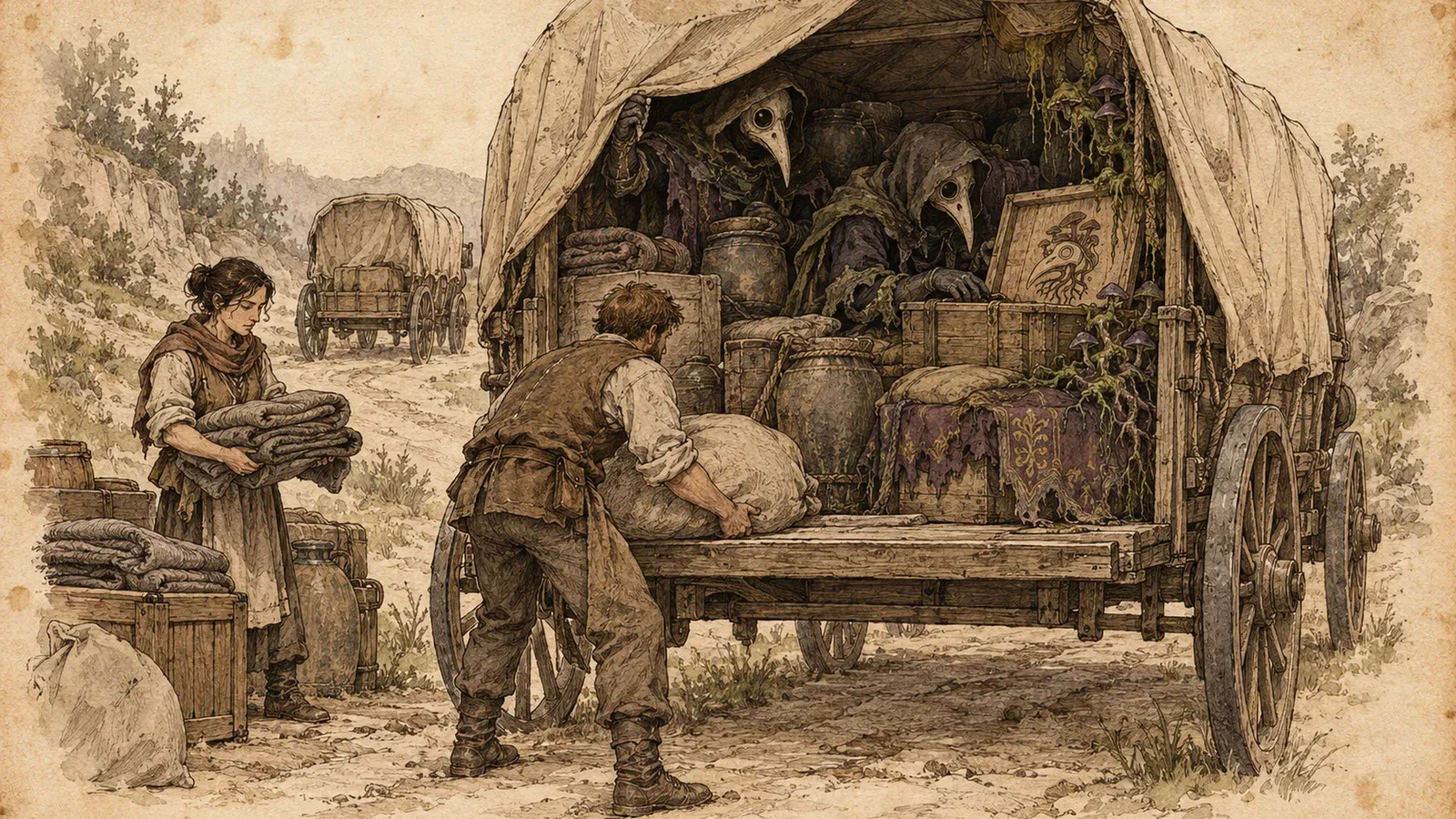
51 factions struggle to hold what the Shattering left: 20 great powers (compacts, creeds and one cult with no home) and 31 kin factions of the world's other peoples.



























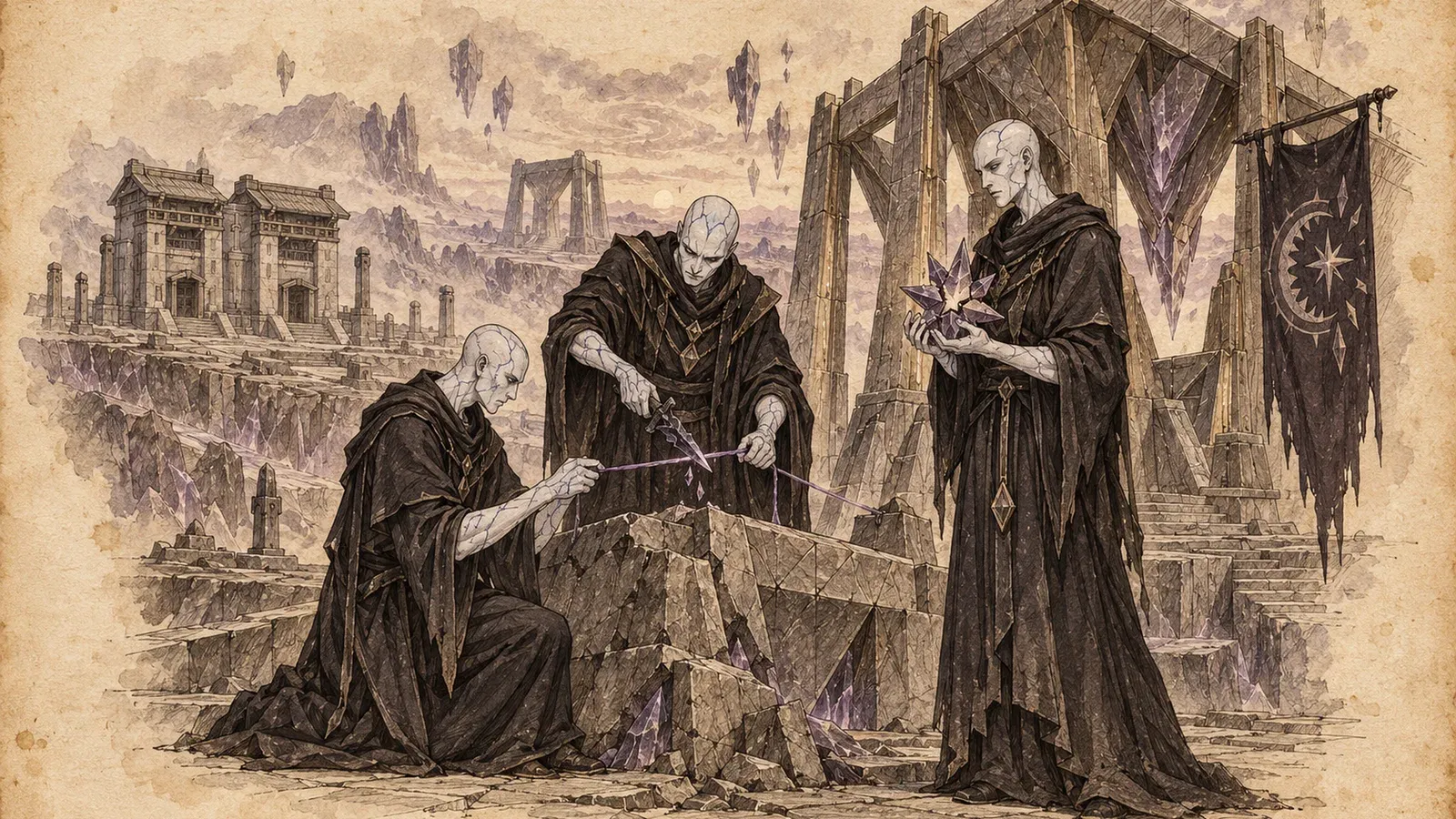
To the Maw, the Shattering is a break stopped halfway, and the tethers are what stopped it. By Maldreth's conjuration they cross at will, working to cut the tethers loose.
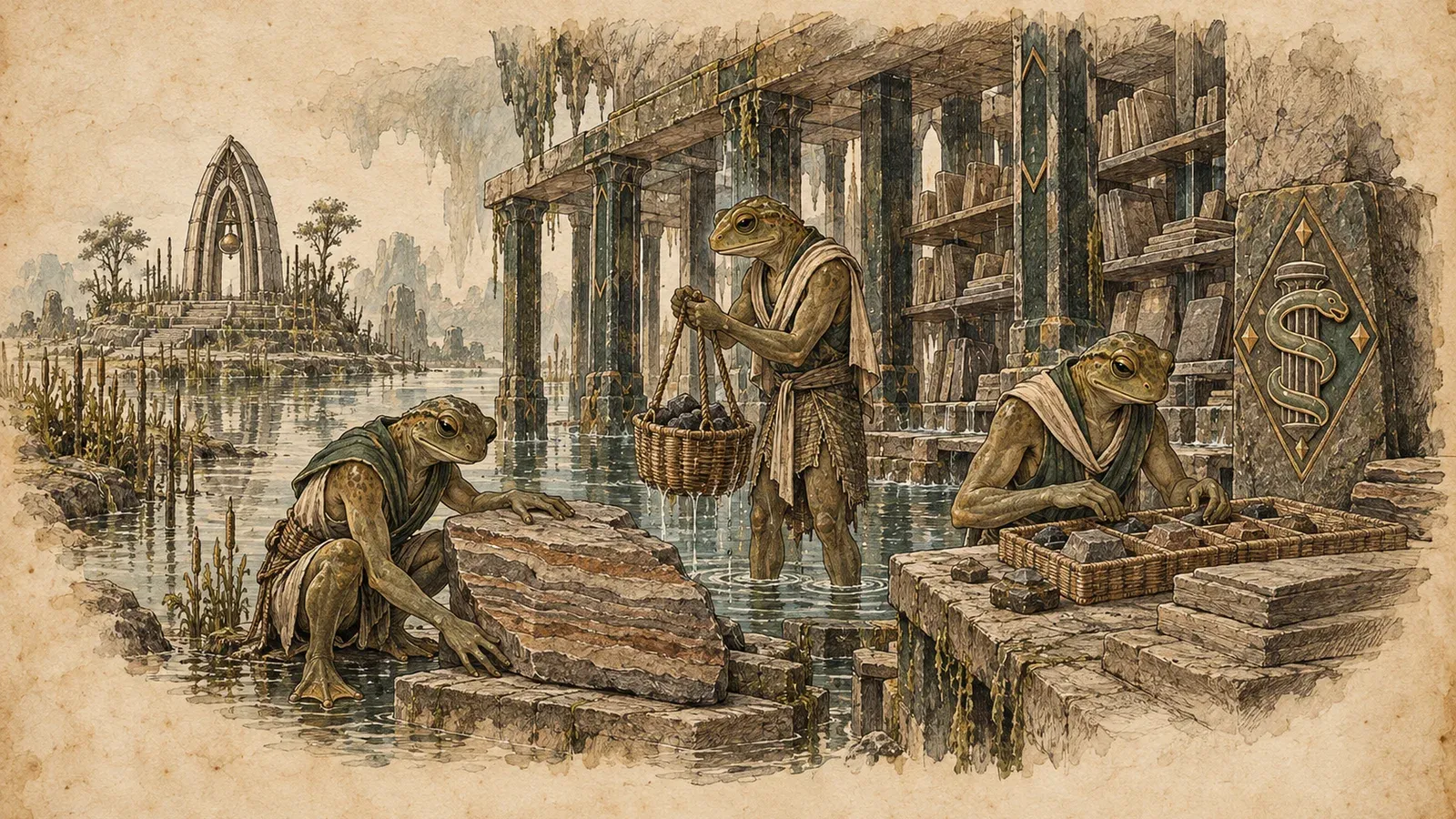
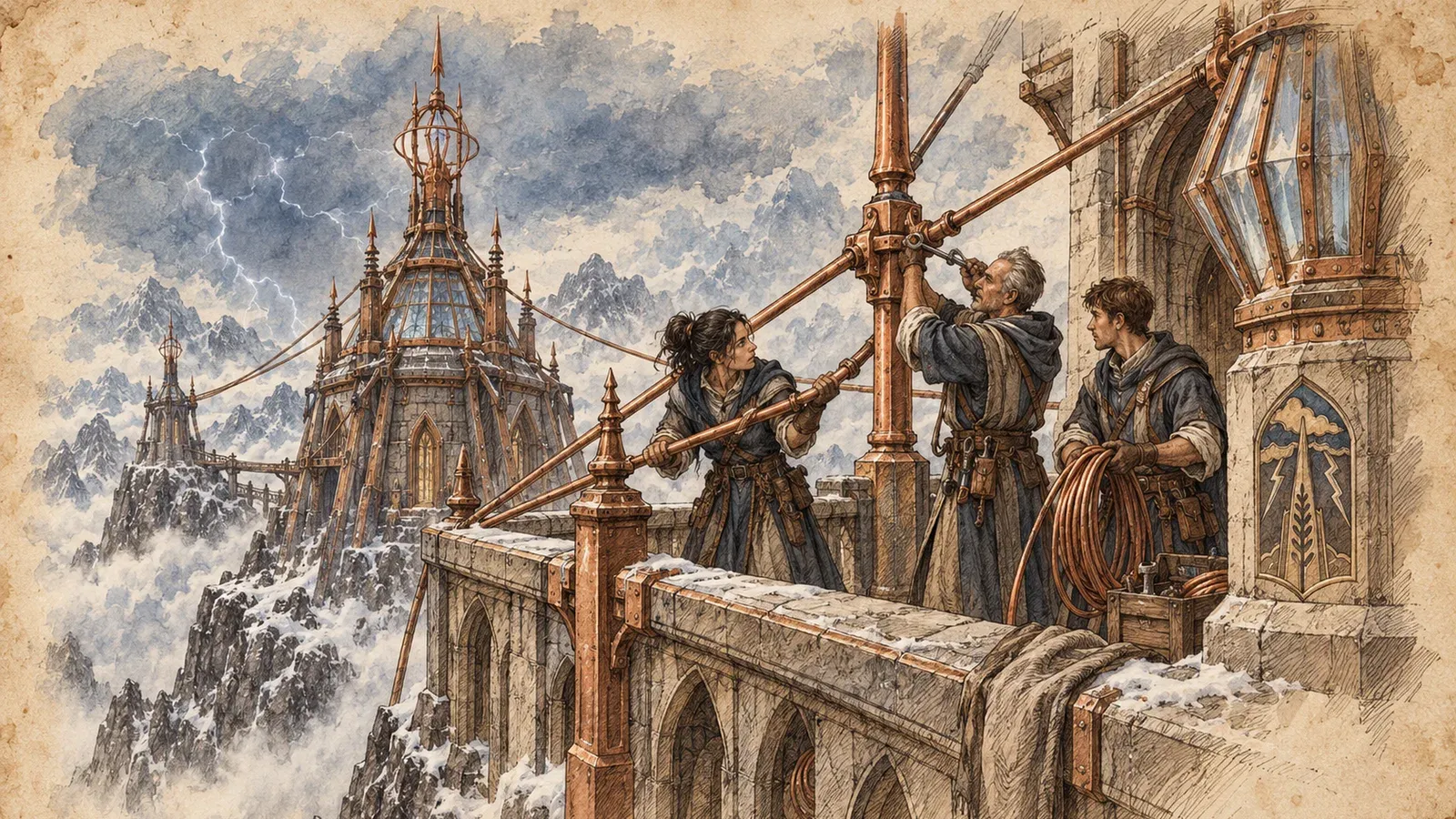
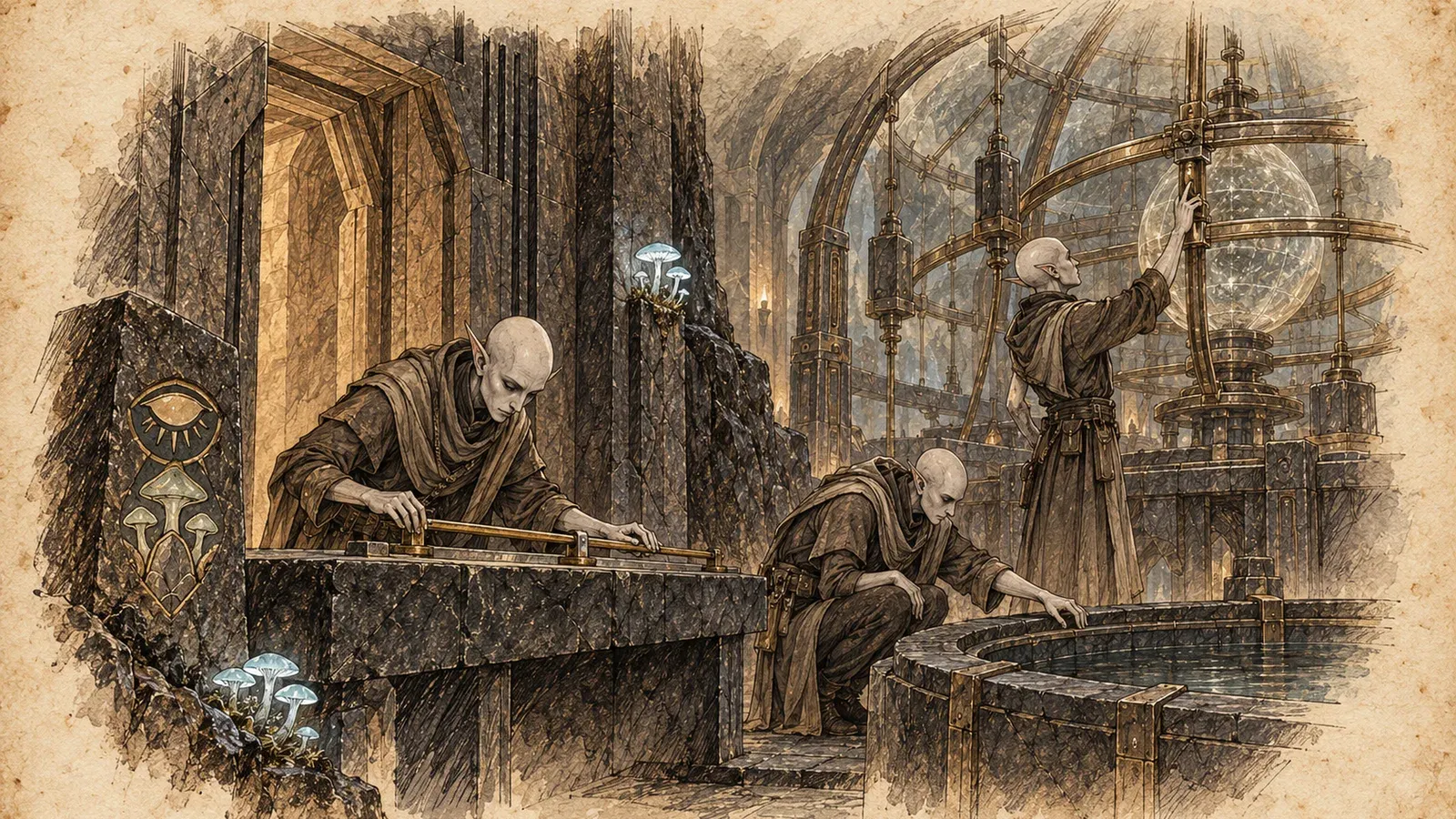
Deep-scholars proven right by the Shattering, which exposed the planet's layers in every island's underside. They descend to read that record and hunt the lost names that unlock it.
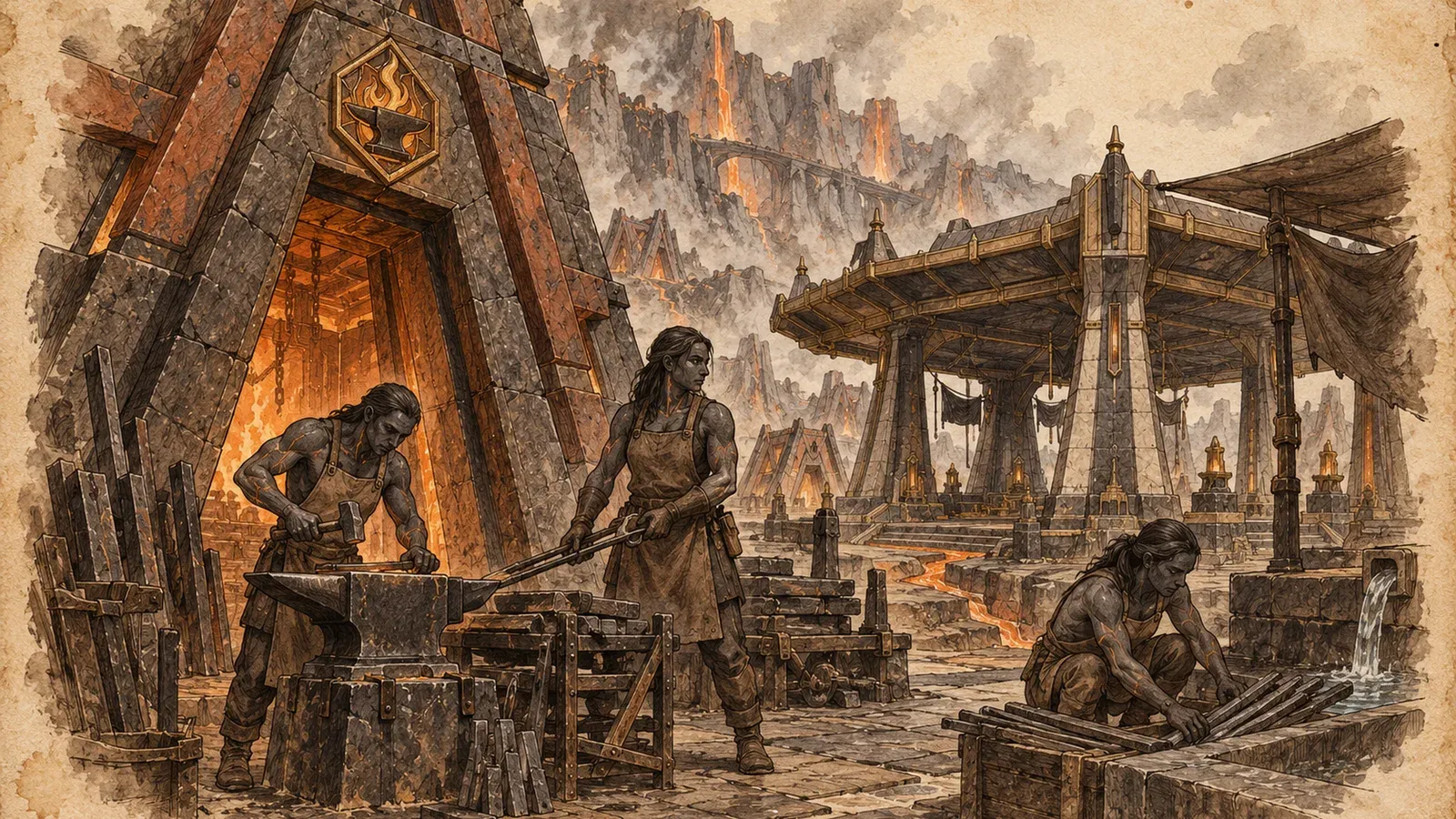
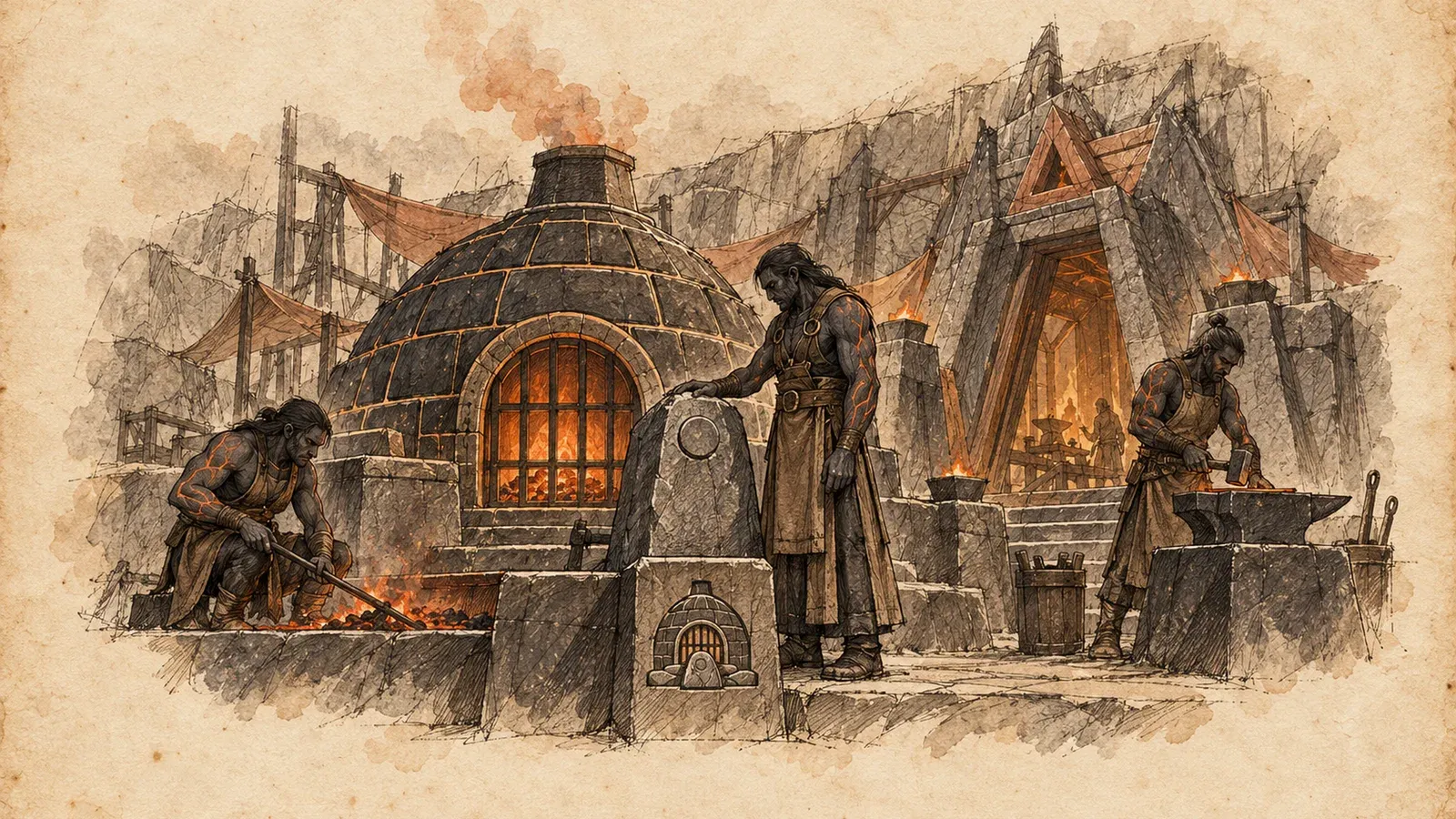
Smith-priests who keep the oldest unbroken fires and sell oaths sworn over them, the only contracts the loss of names could not touch.
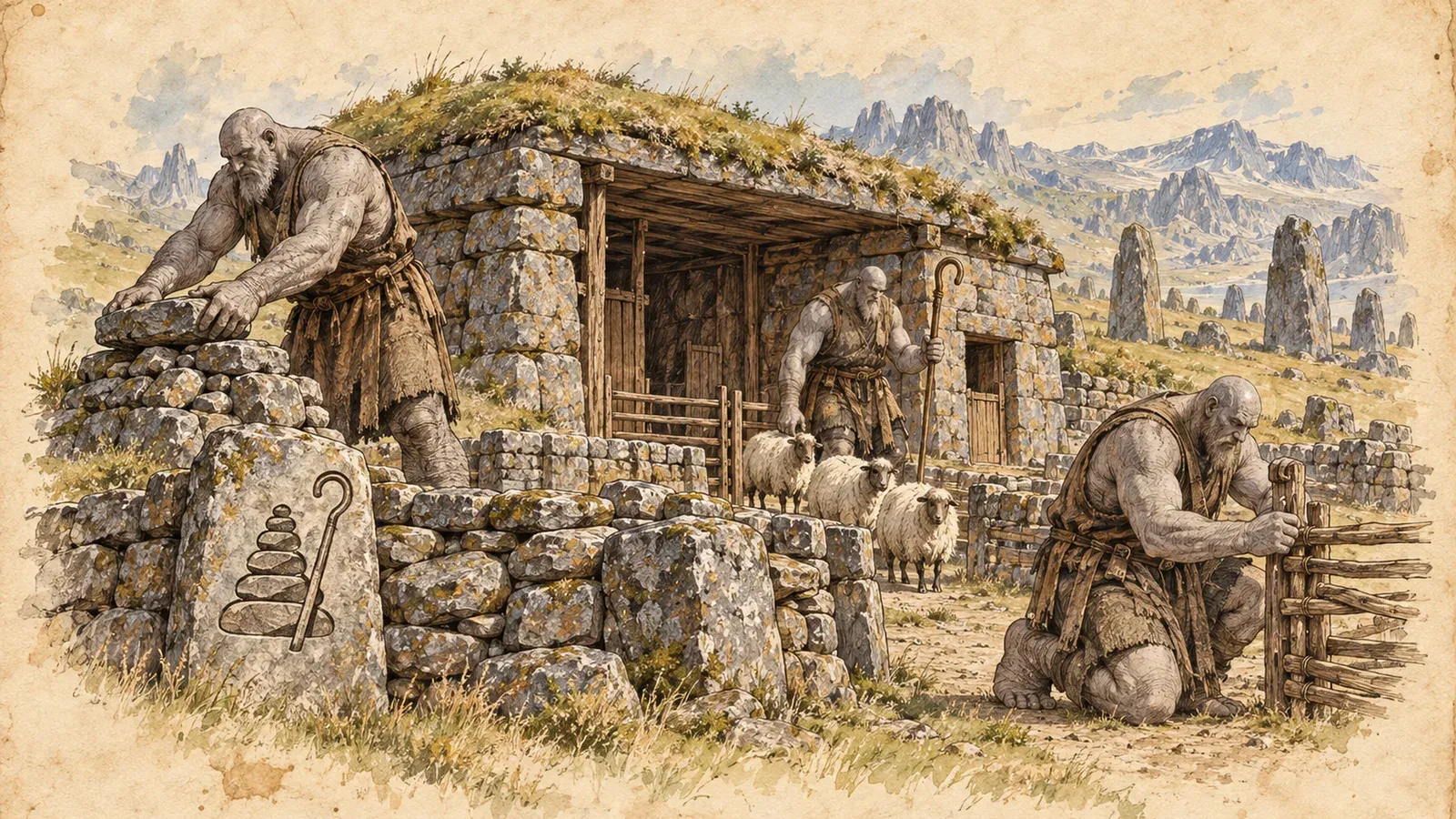
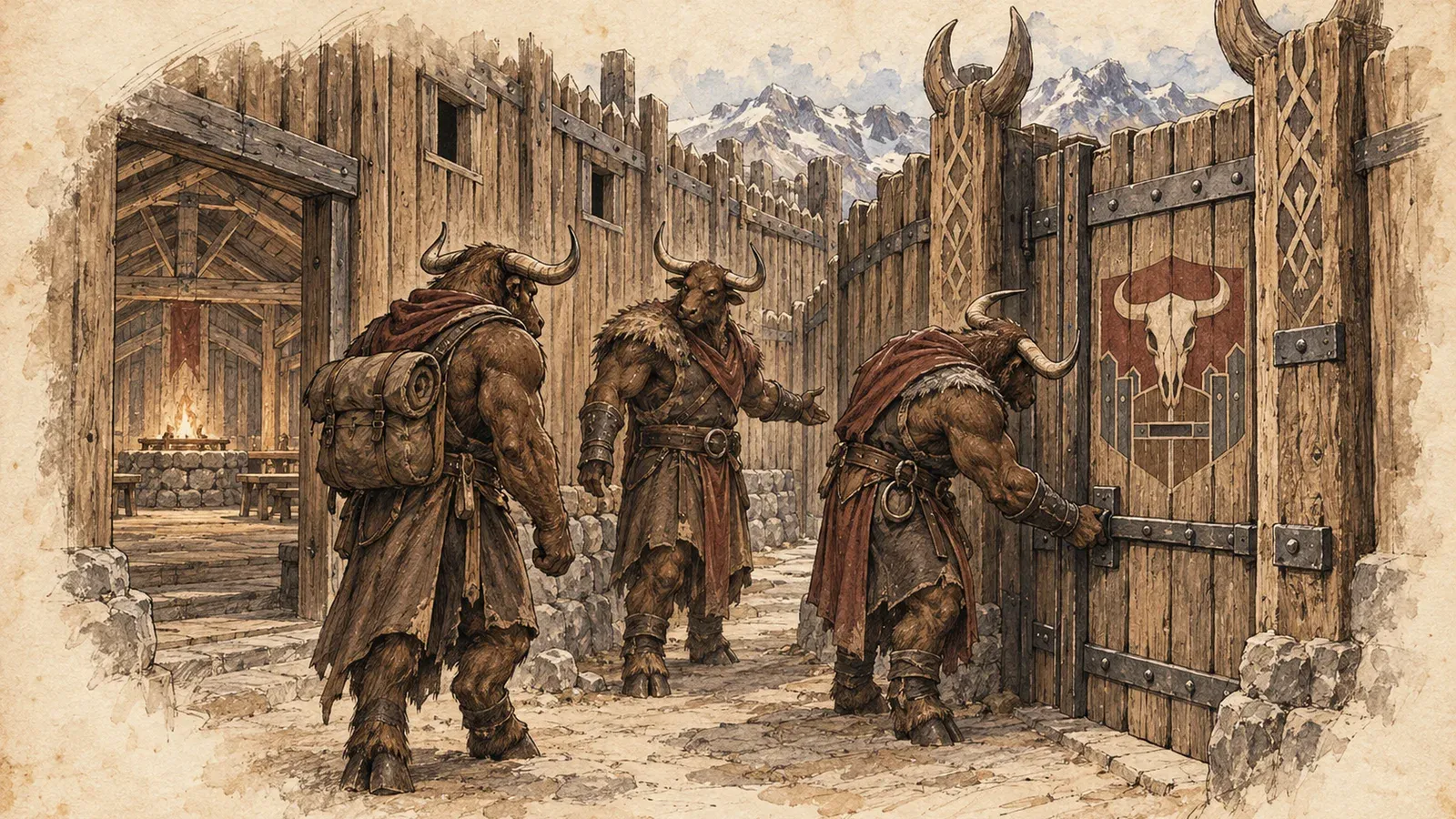
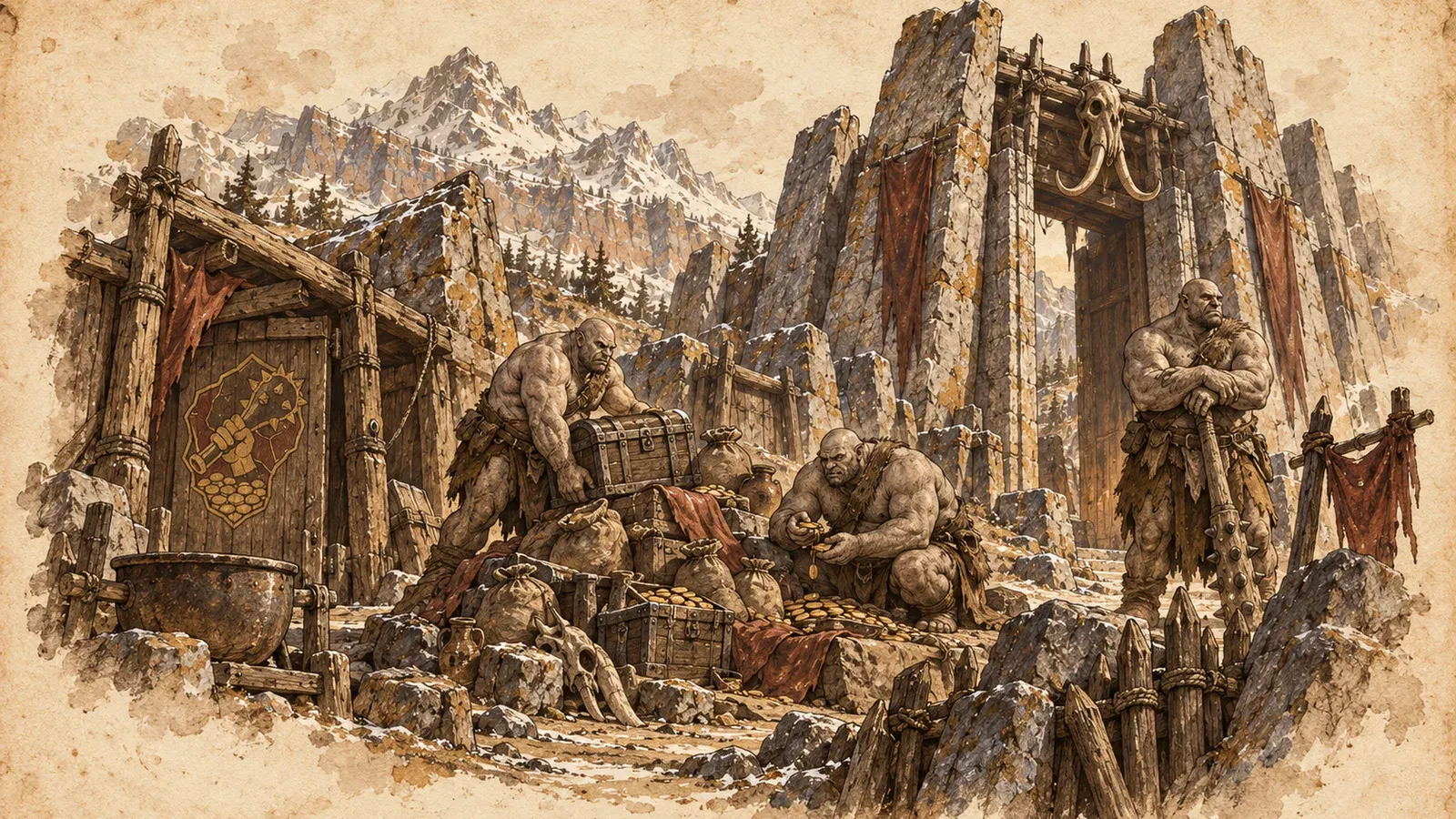
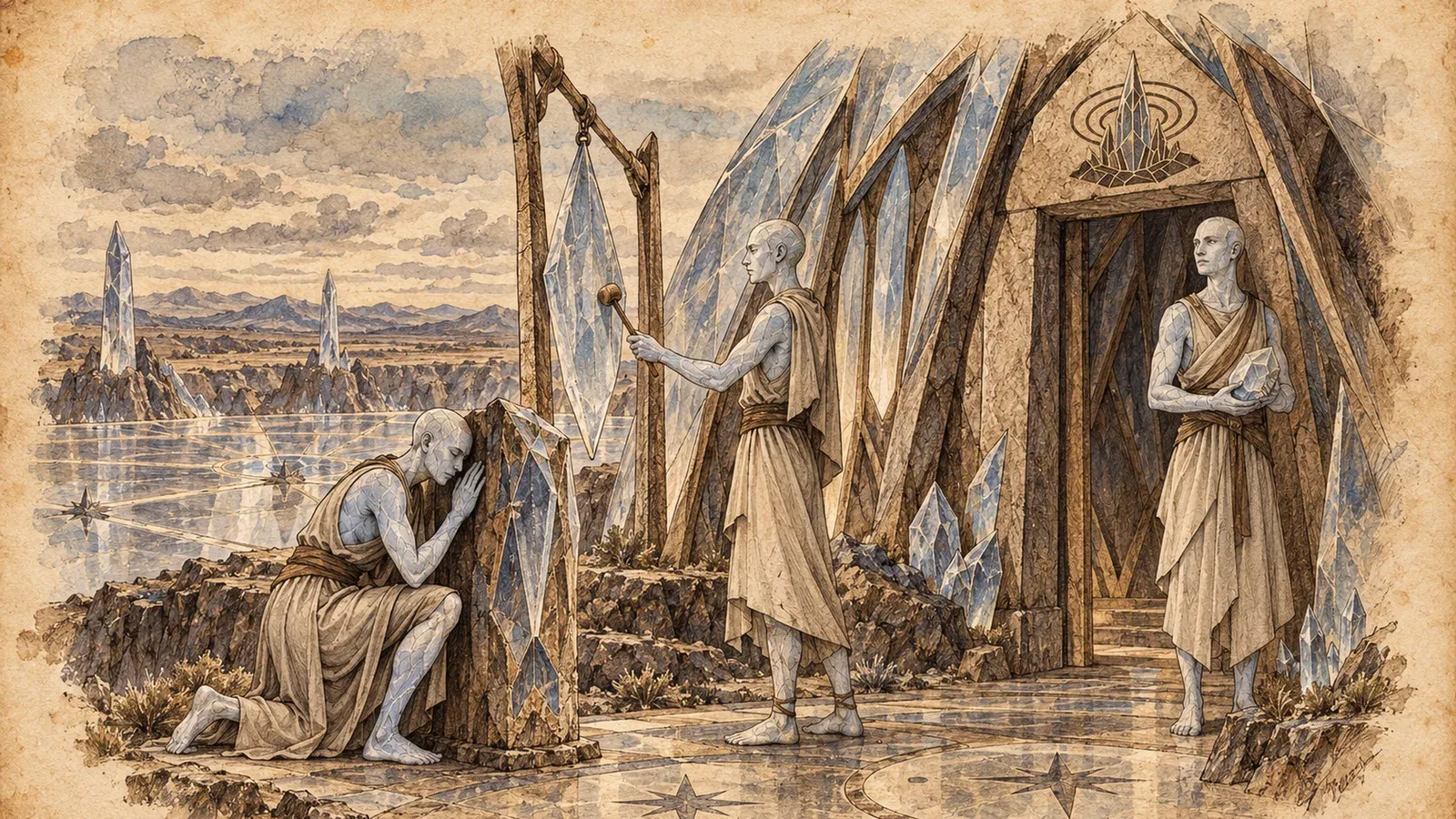
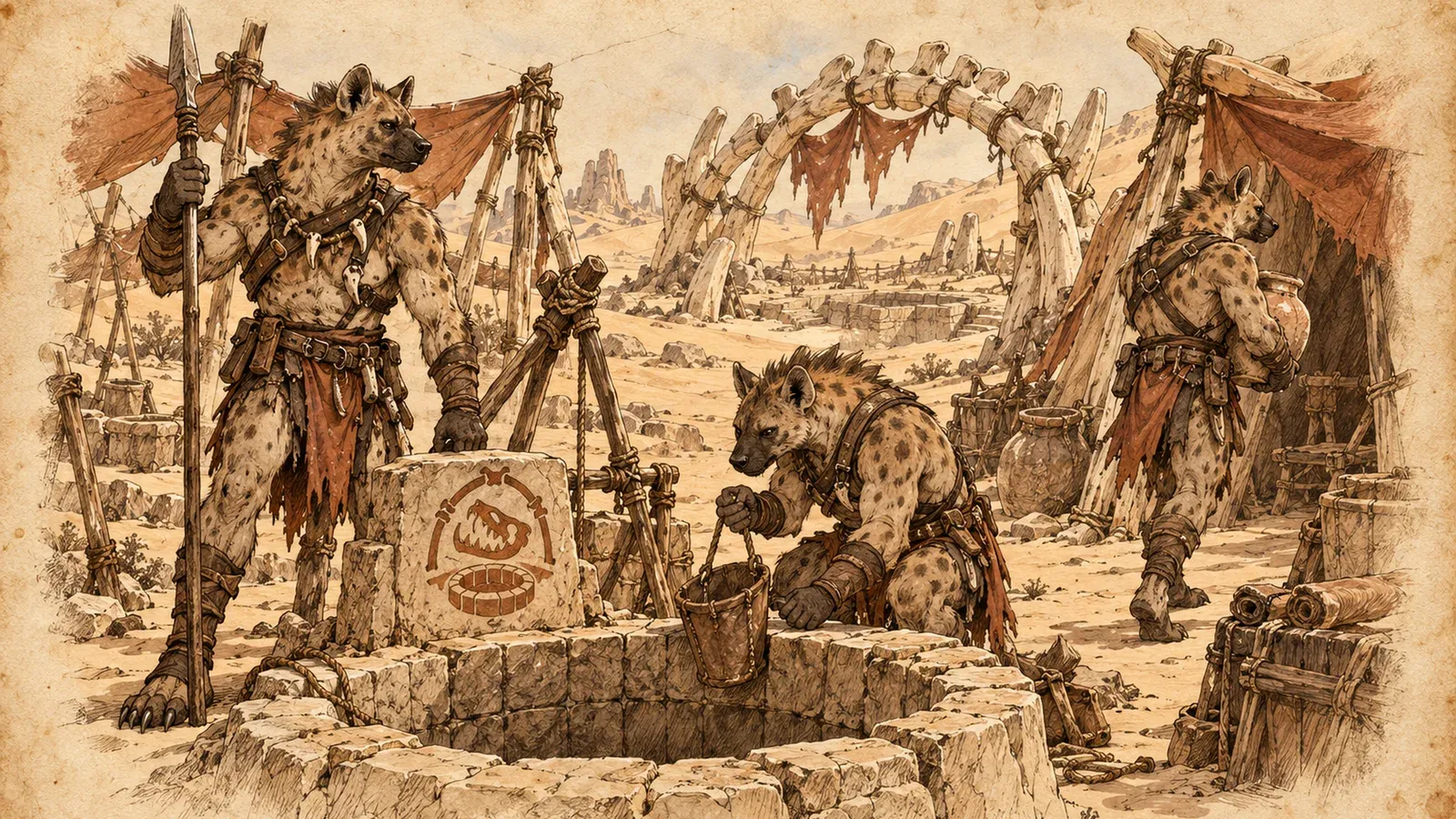
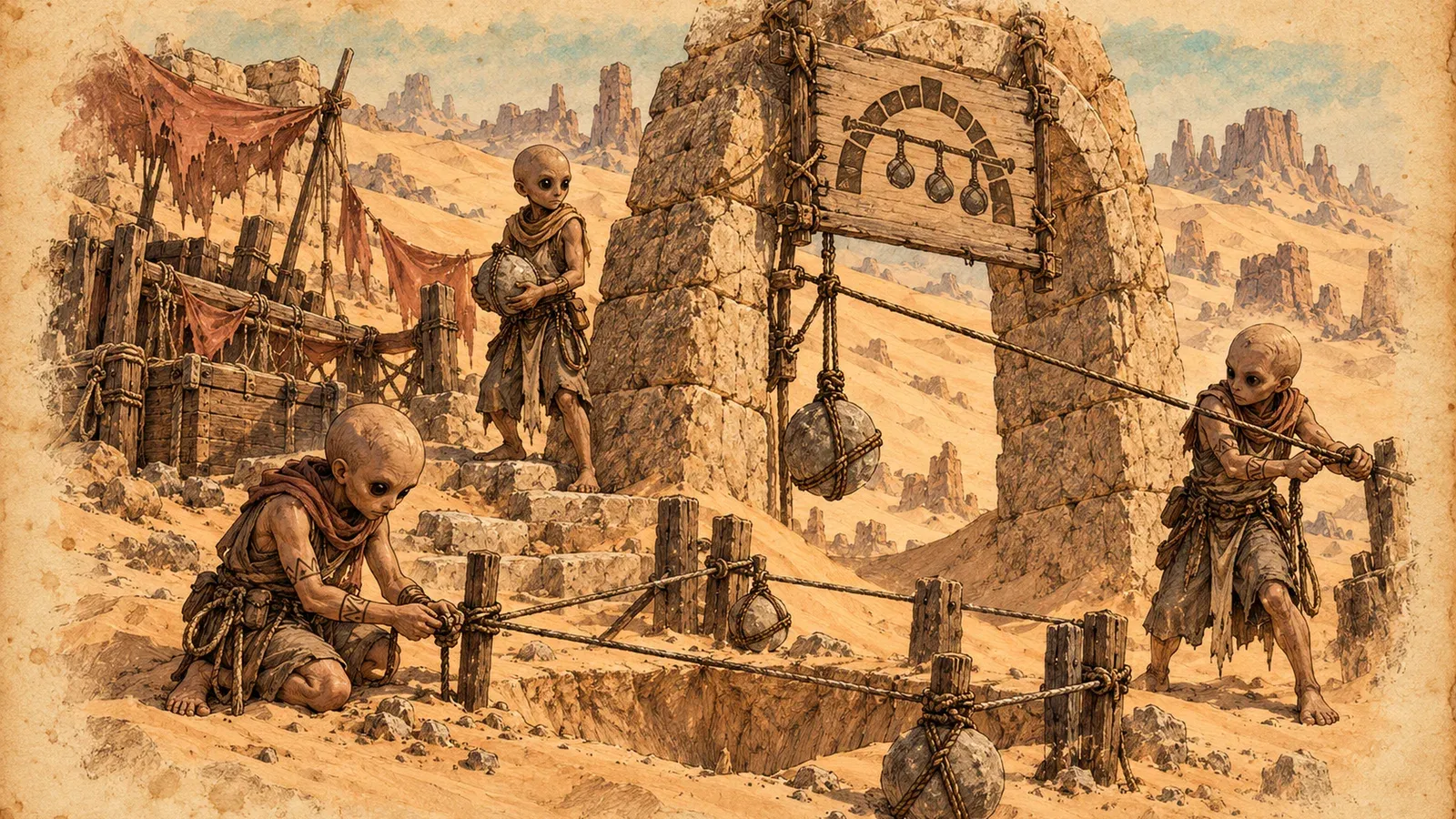
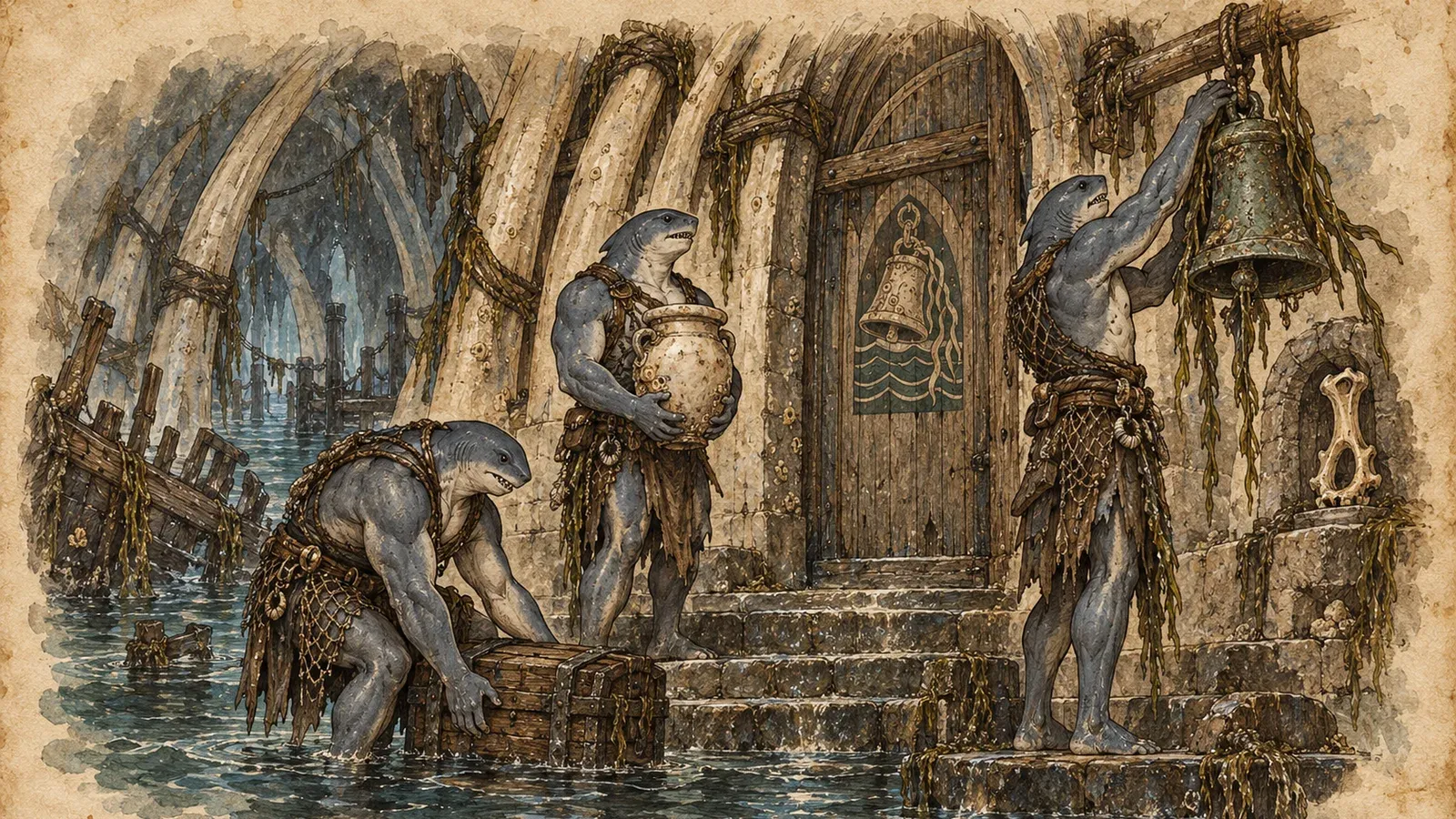
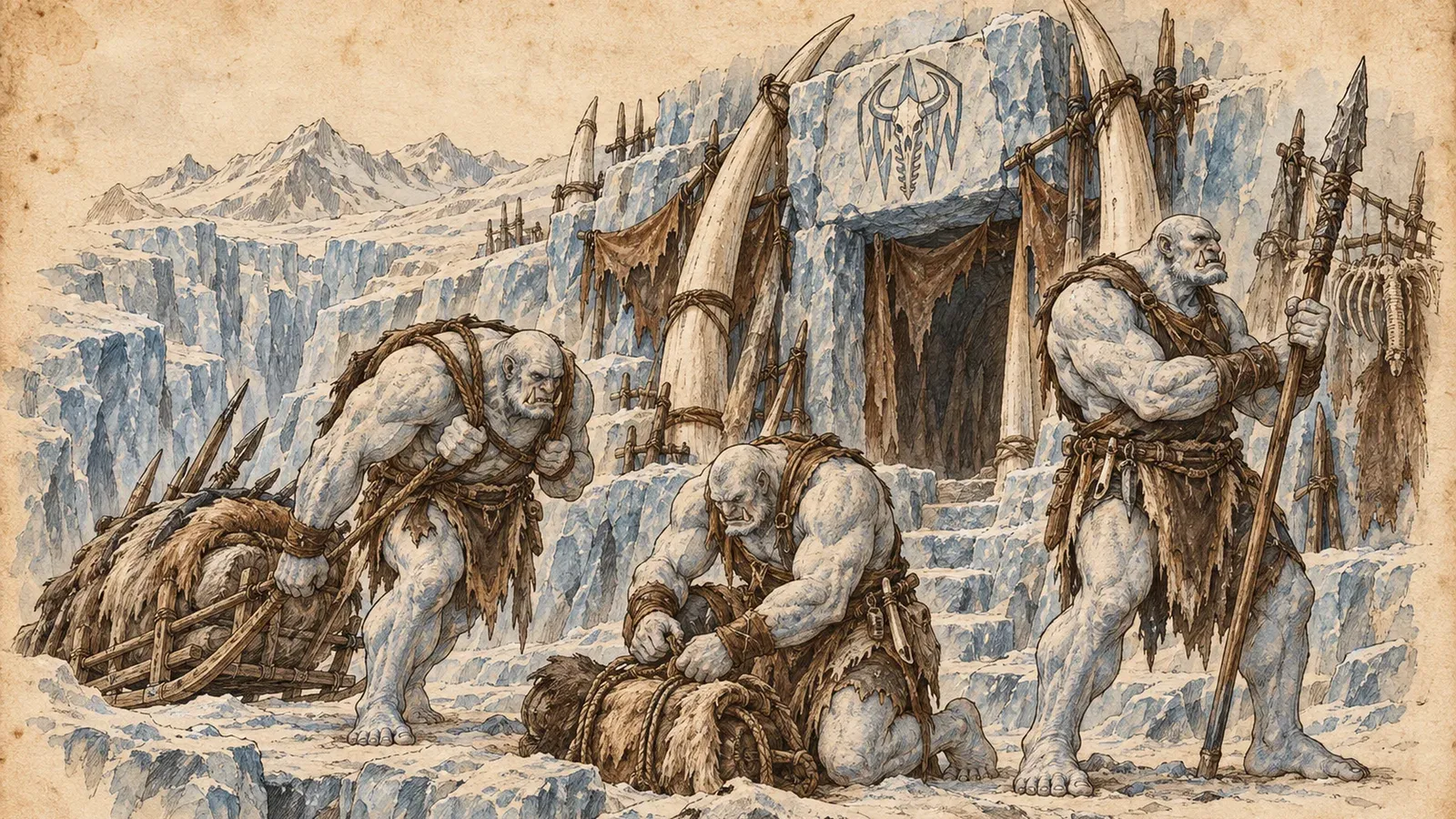
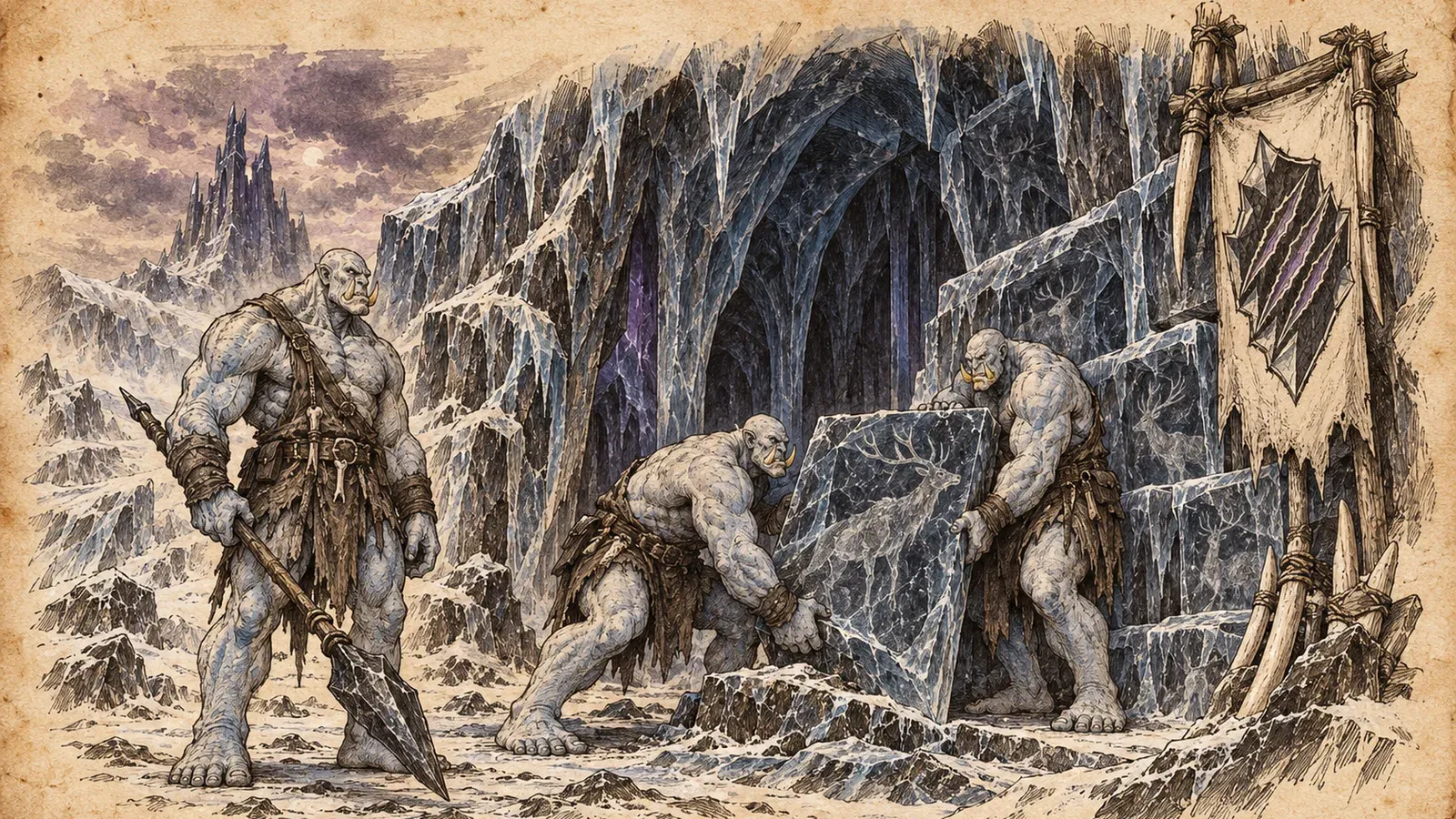
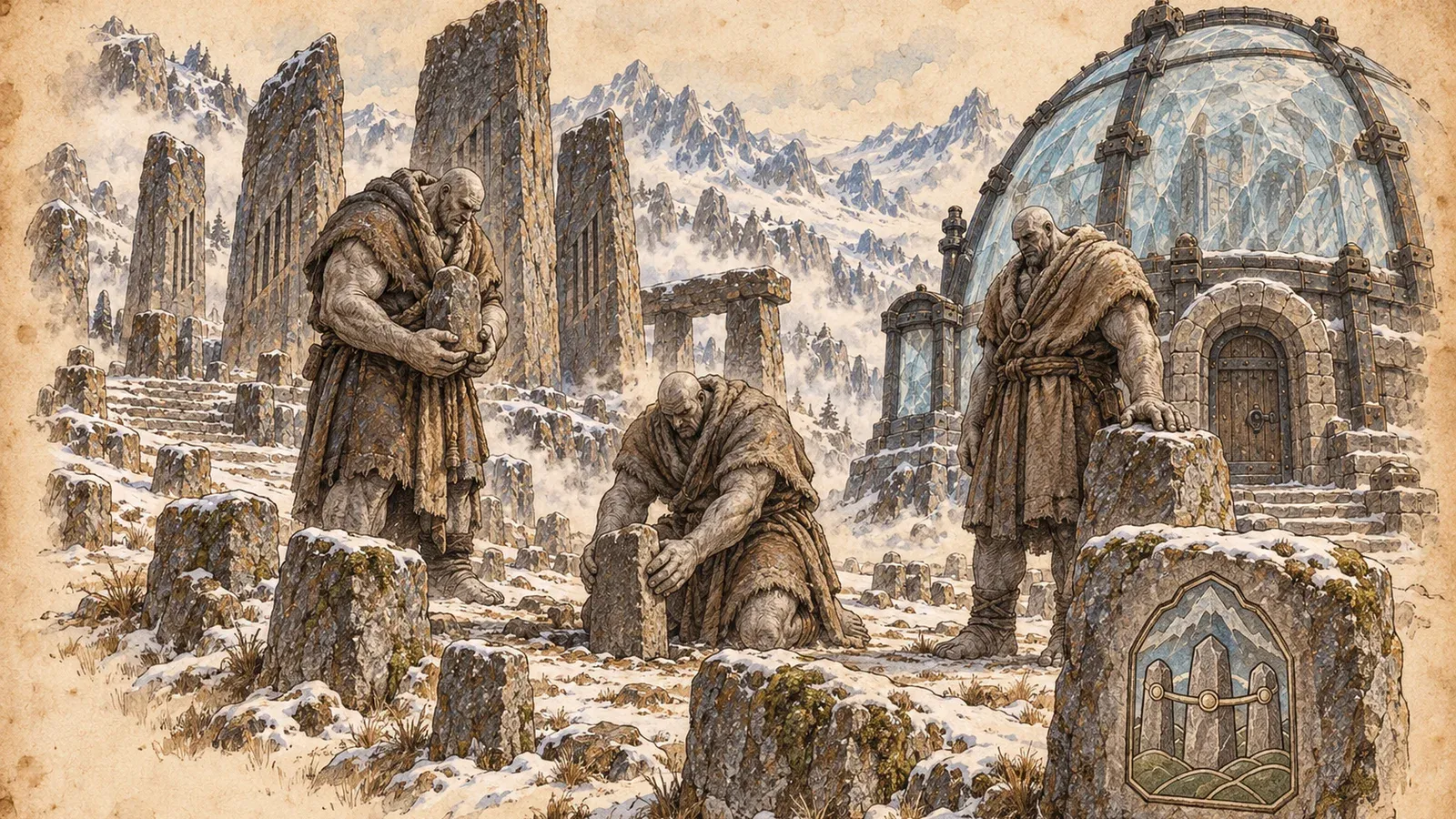
Void-touched trolls of a black-ice glacier where heat drains away. They regenerate from almost anything and freeze what they kill into the ice.
Nine gods hold the order of the world, one for each alignment. Ten Kindled walk closer to mortals, changed but not yet gods. Every one of them was once mortal.
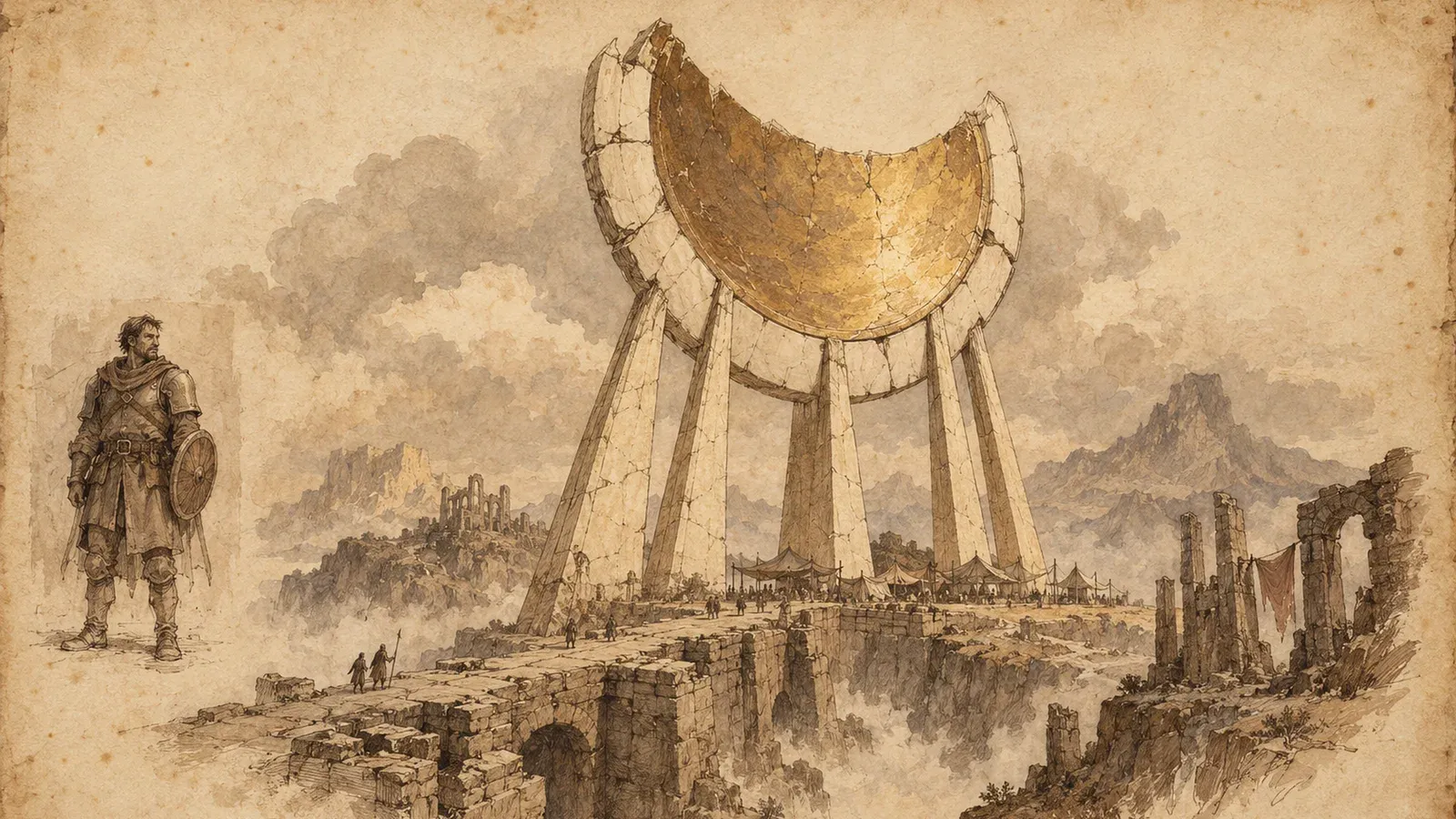

the Dawnshield
Aureval was a human militia advocate. He held a city gate open for refugees after its lawful rulers ordered it shut, then stood trial rather than claim a conqueror's immunity. He became an immense concave shield of dawn, its rim carried on six descending rays like pillars. His worshippers do not claim he invented the sun or law. They claim a judgement becomes sacred when its author accepts the same burden. Soldiers invoke him before defending a retreat; prisoners invoke him against a lawful sentence.
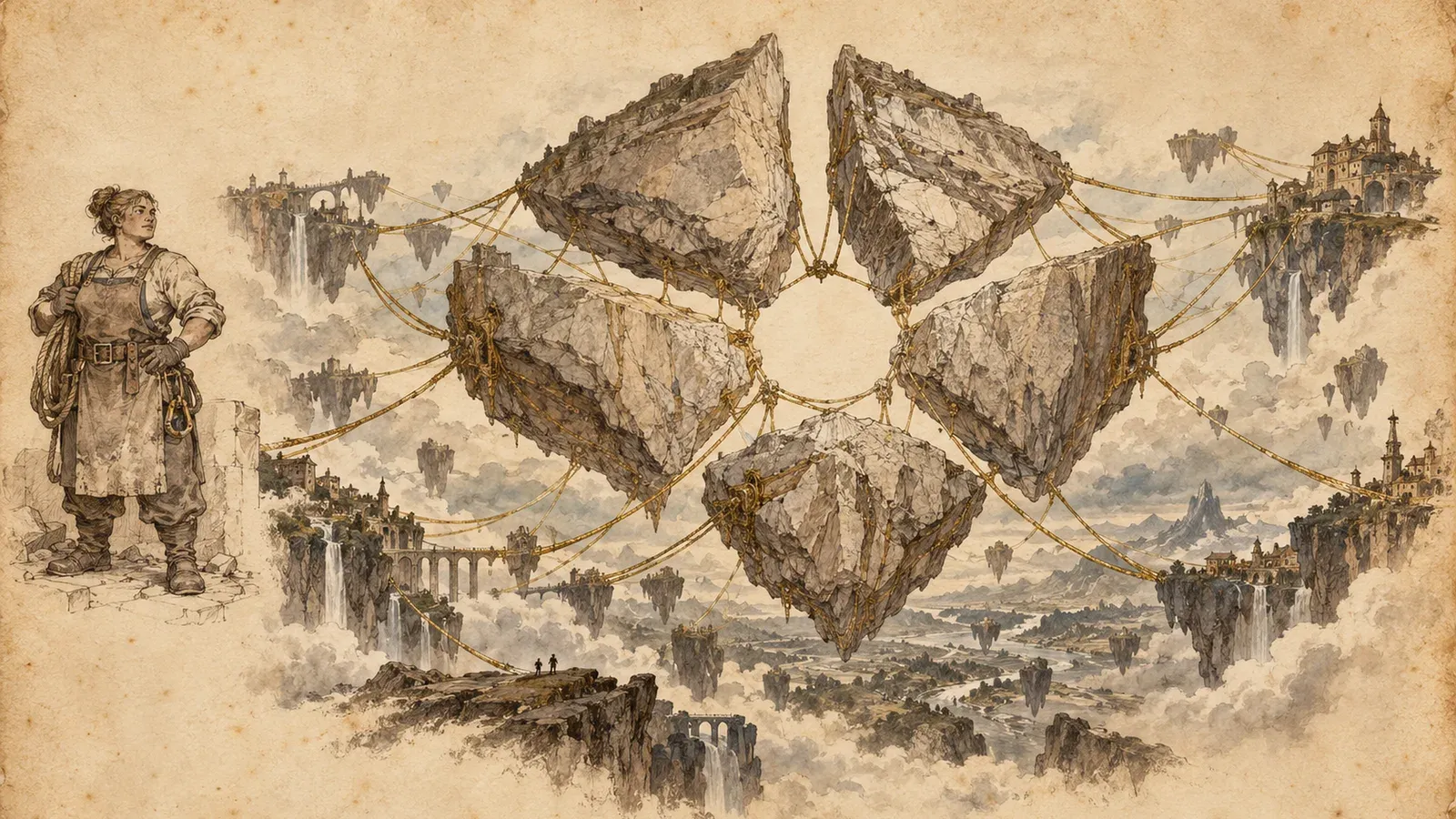

the Last Anchor
Calthera was a dwarven foundation mason and rescue rigger. She spent her mortal career going back into failed excavations for workers whom everyone else had counted as lost. She first became a suspended heart of worldstone; during the Shattering she gave her true name and became the living center of the tether-lattice. She saved the planet when the duel broke it. Her name became the tethers; the Waketether Stones became their knots. She still moves near them, diminished and listening. The robed statues are how grateful survivors made a person of an act too large to picture.
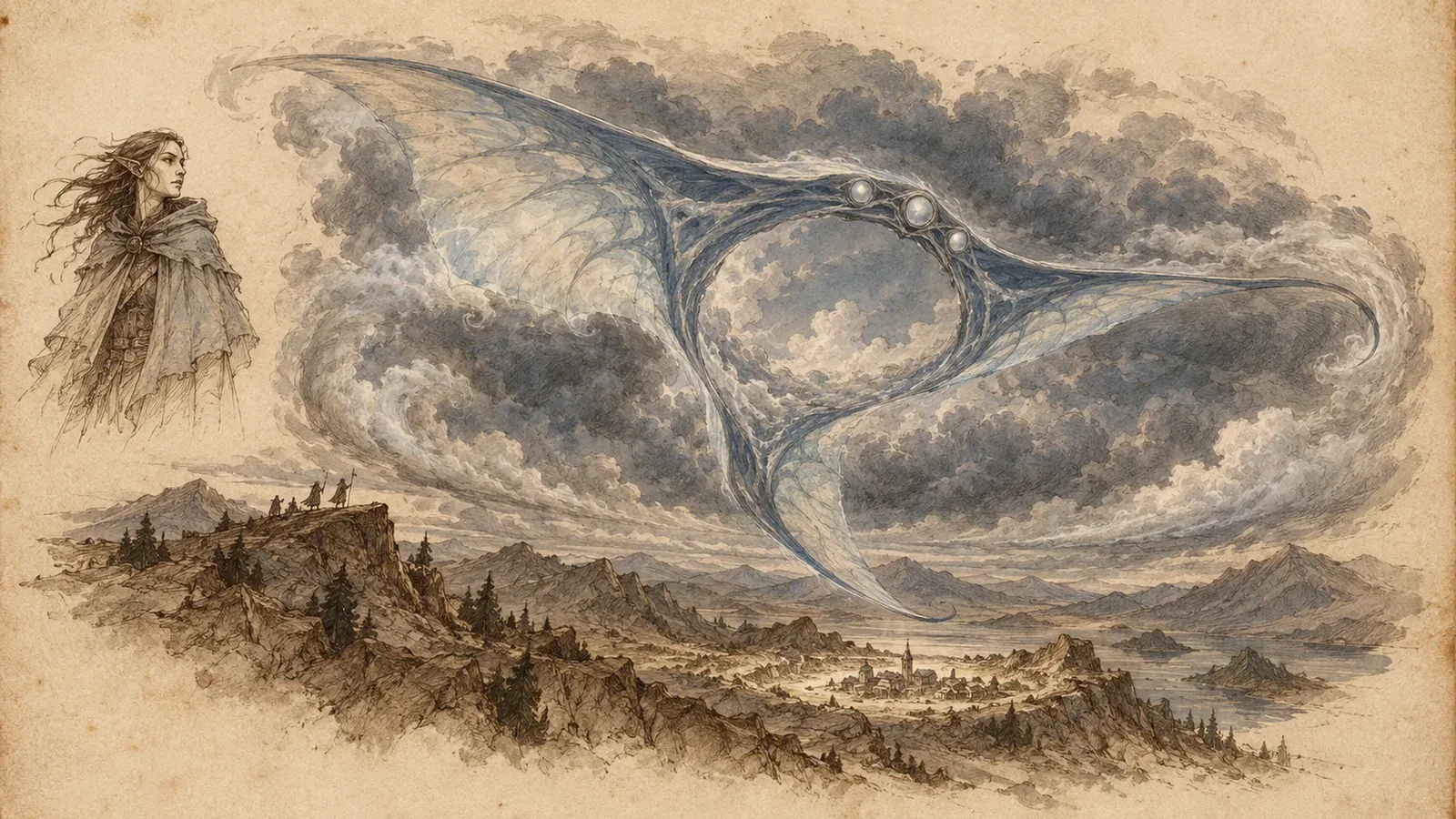

Stormflame
Lyriss was an elven storm lookout and ward-mage. She broke an official silence about a coming storm, sheltering districts the rulers had abandoned and teaching their people the wards themselves. She became a vast ray-shaped storm front whose translucent fins are overlapping planes of protective air. Her three arts are abjuration, divination and enchantment. Yet the wards she teaches cannot absolve the duel with Maldreth that broke the world. Those she shelters may still accuse her; she listens. Clerics and paladins draw upon divine power that does not arise from Chaos.
the Maker of Sound Things
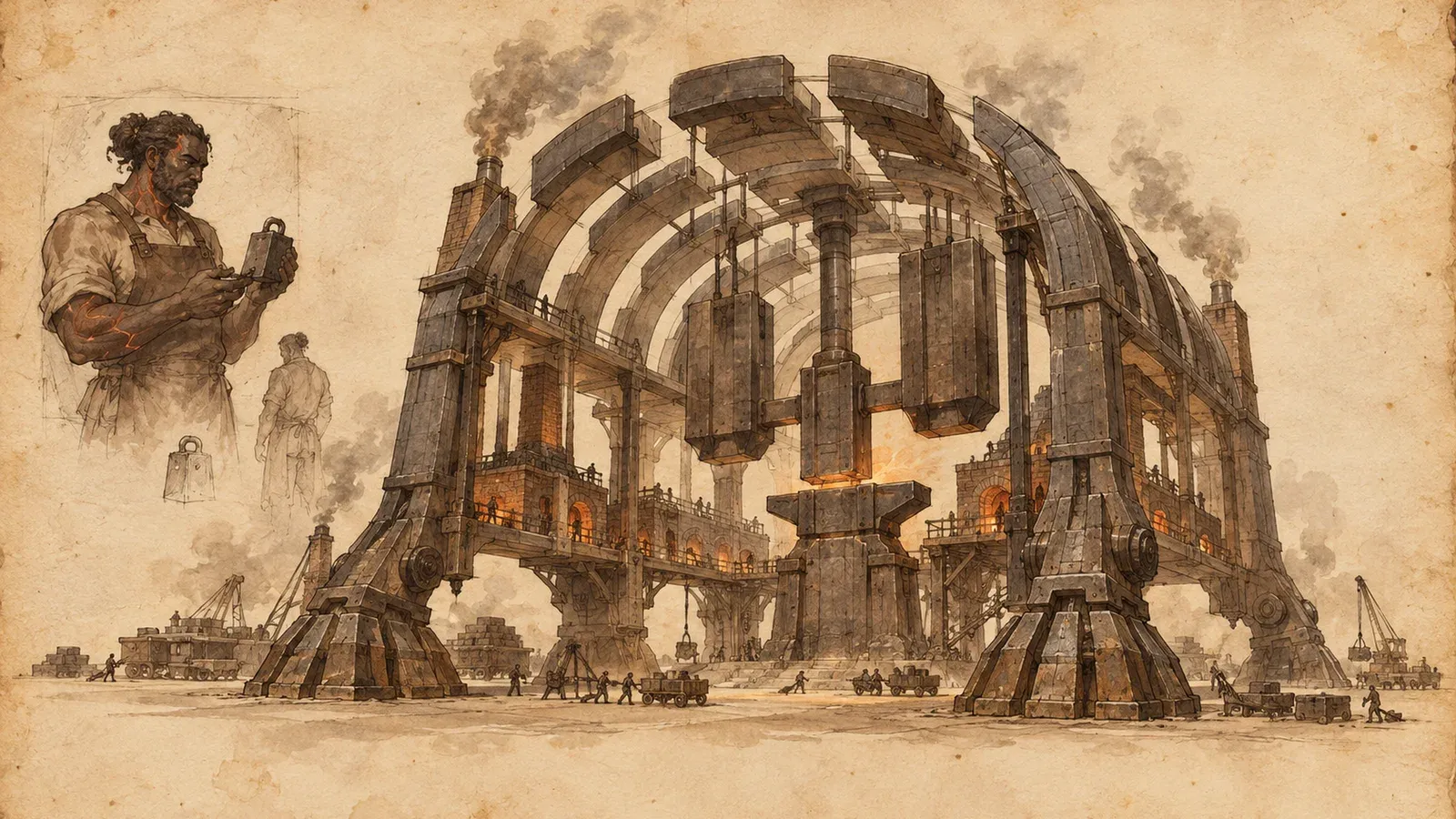
Ossandros was an Emberkin foundry architect. He dismantled his own celebrated bridge after discovering a hidden weakness, then taught every apprentice the test that exposed it. He became an ambulant foundry-vault: massive interlocking arches, anvils and counterweights working without a body inside. Apprentices call him the Architect and strike his anvil before beginning difficult work. To his worshippers, order is the promise that a beam will bear its declared weight and a maker will answer for a concealed flaw. His open workshops admit the critic as readily as the customer.

the Unmoved Measure
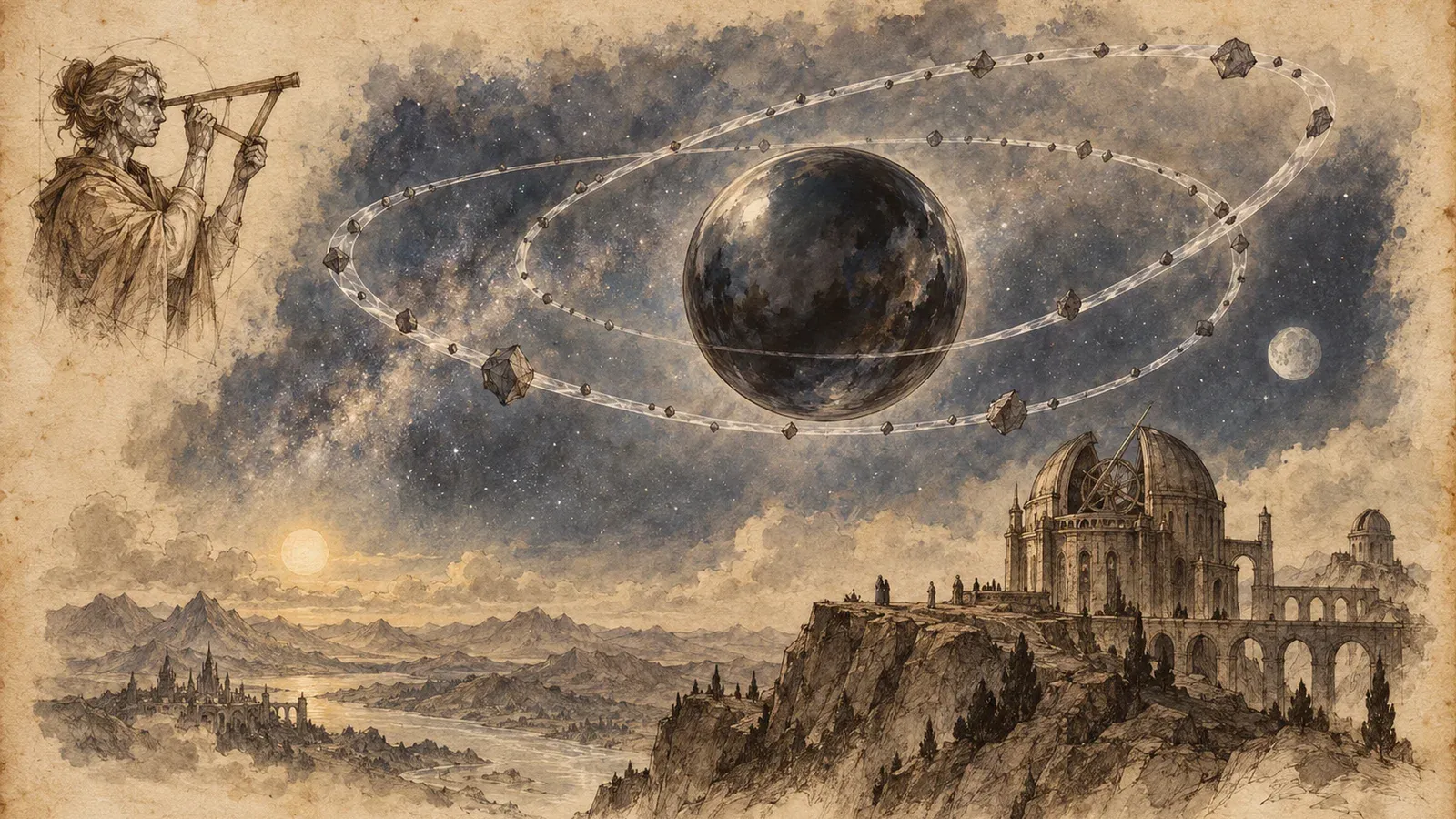
Qoravel was a Shardborn astronomer and calendar keeper. They published the same eclipse prediction to enemies on both sides of a siege, refusing to alter the observation to win either side's gratitude. They became a detached, dark-centered star held inside three offset elliptical orbits of pale mineral light. Their observers keep the same measure for enemies and friends. The Orrery seeks them in patiently repeated readings, and a disappointed prediction is corrected before it is defended. They neither bargain with the passing hours nor promise that the innocent will receive a kinder season.

the Verdant Gambler
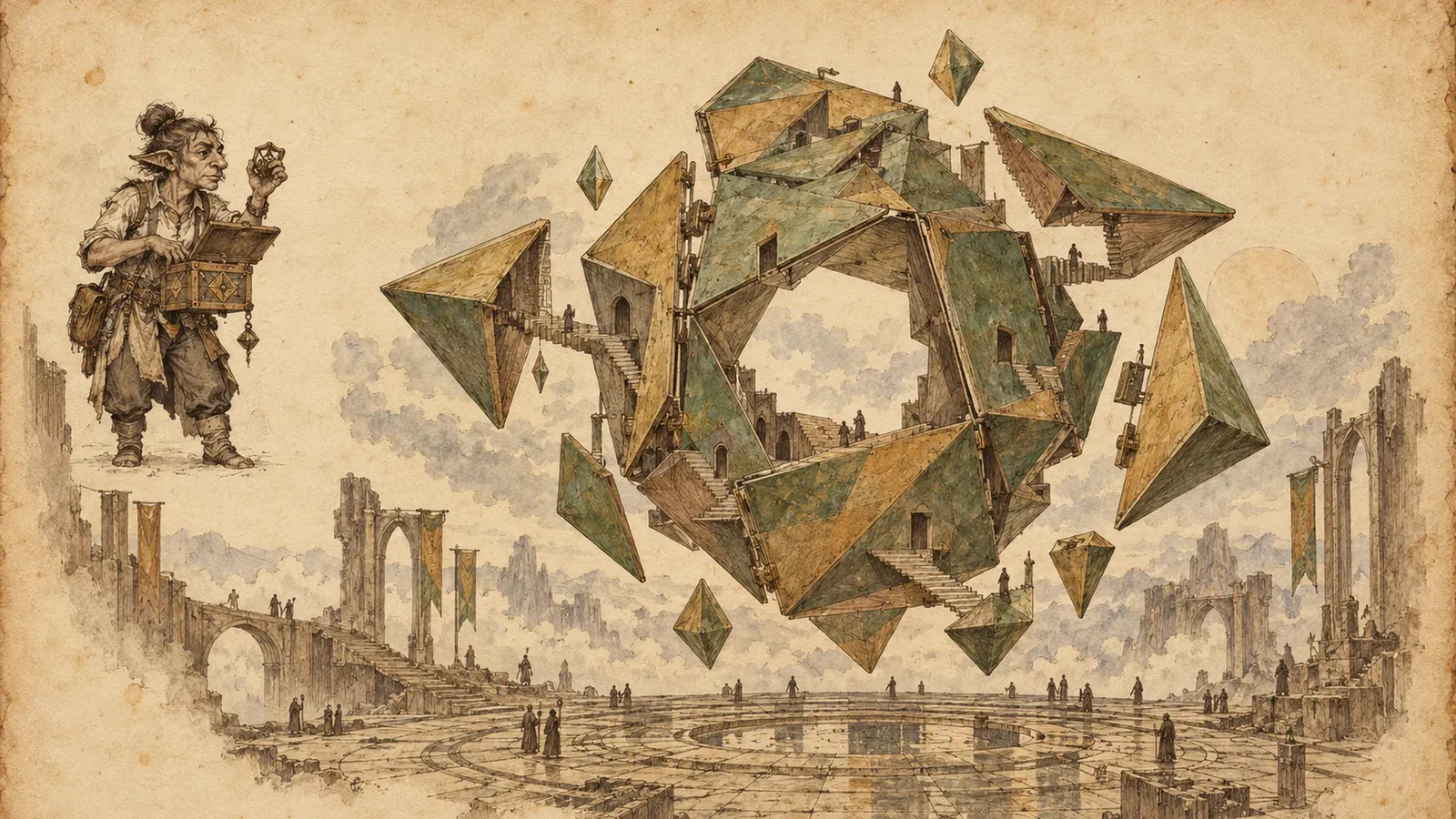
Zekkos was a goblin street conjurer and scrap inventor. They taught a condemned workforce to impersonate its own overseers and walk out, then gave away the method rather than become the next overseer. They became a many-sided living puzzle whose bright planes unfold into temporary animal faces and collapse before any one face becomes final. Their arts are transmutation and illusion. At the Lantern Court, mourners set down the masks others forced them to wear and choose how they will be remembered. Their laughter welcomes an escaped prisoner and unsettles anyone who mistakes freedom for safety.
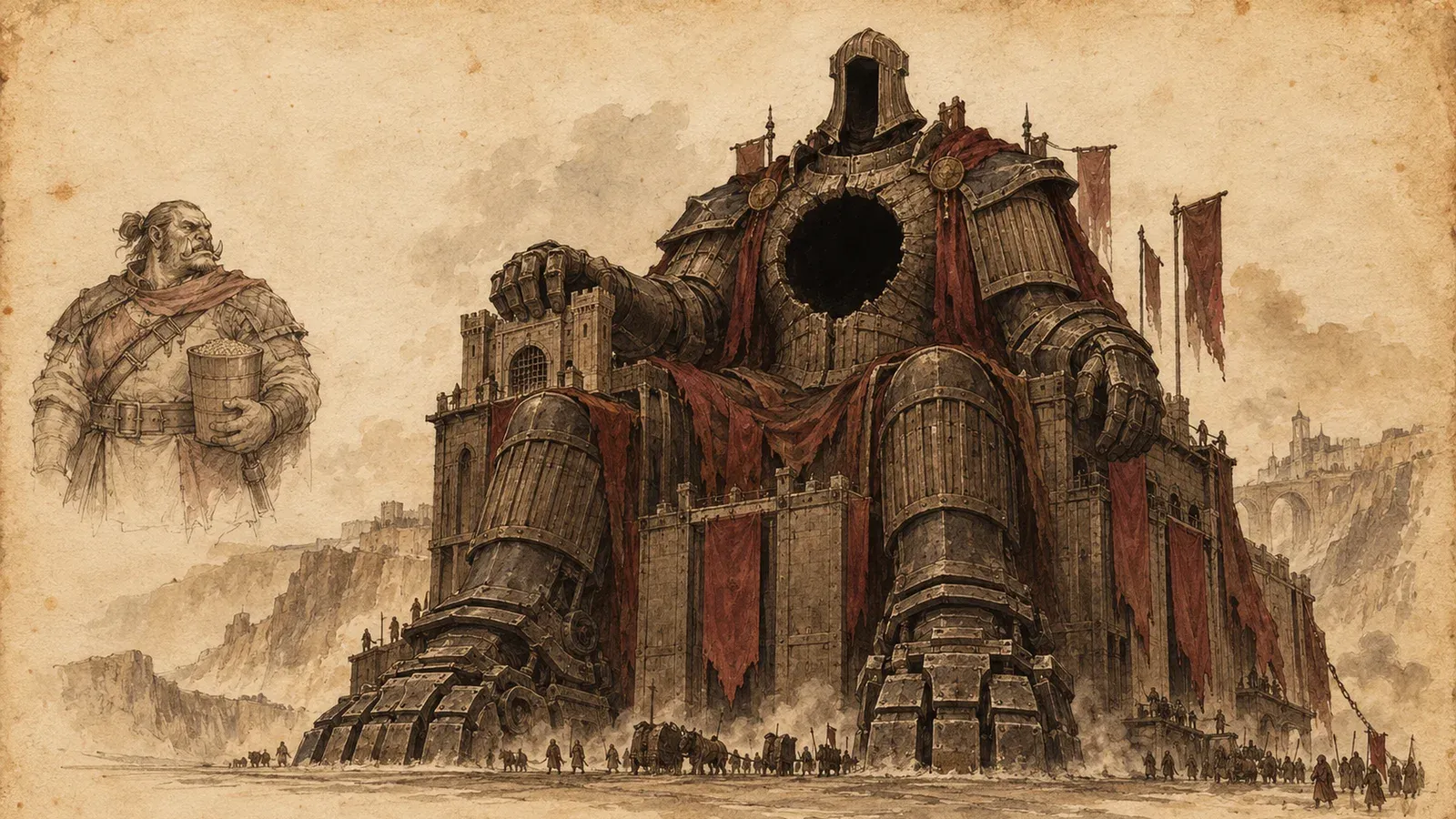

the Iron Eclipse
Vhalgor was an orcish quartermaster-general. He ended a civil war by rationing every army from one captured storehouse, feeding submission and starving refusal until the victors themselves depended on him. He became an empty suit of monumental plate seated within its own mobile siege throne. His officers bless the granary before the sword. He offers an end to disorder at the price of obedience, until the fed and the starving alike must ask his leave. A soldier may admire his exact provisions and still dread the hand that measures them.
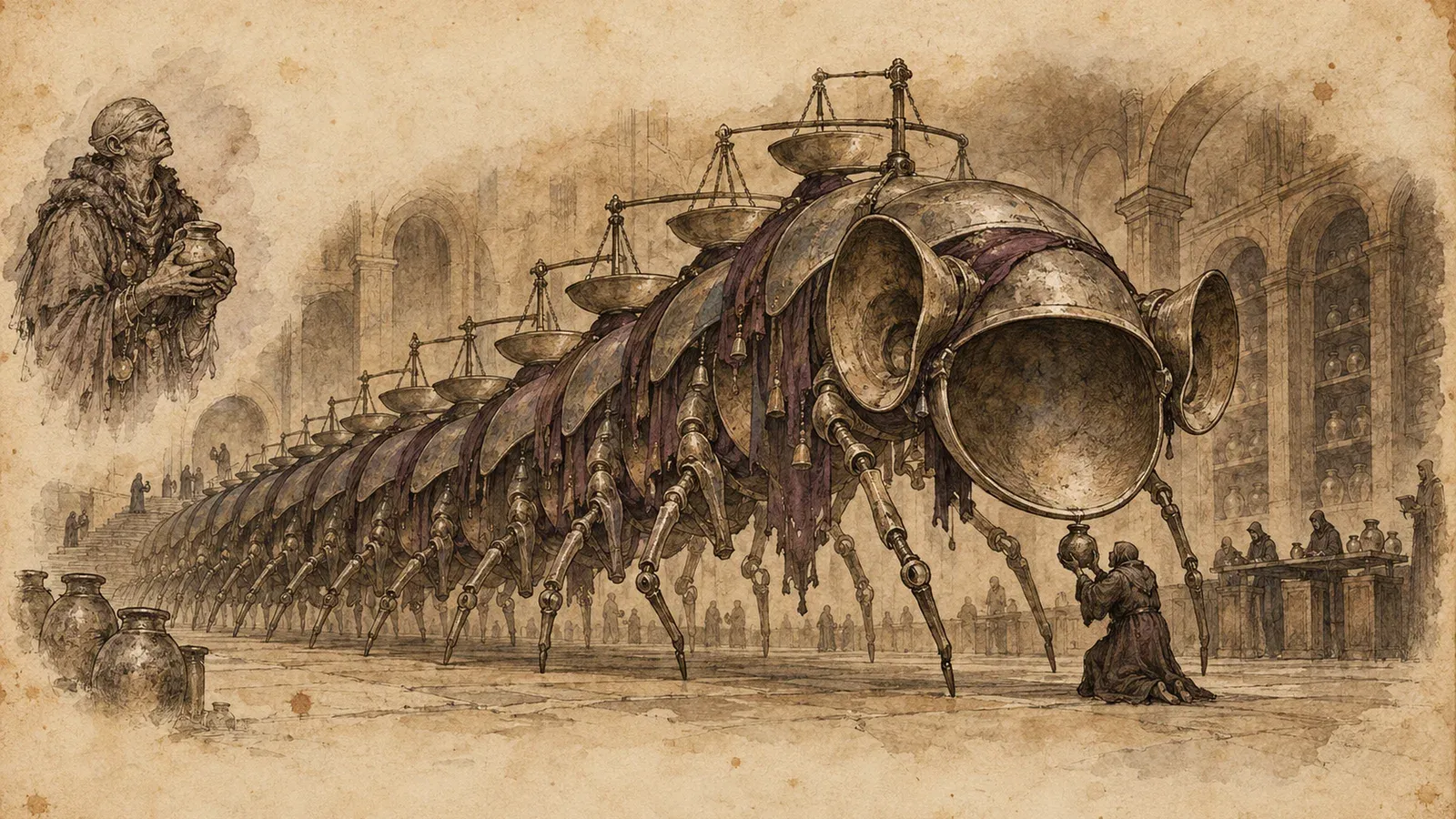

Veiled Merit
Sevrith was a Hollowkin water-credit broker. They kept a starving district alive on loans whose terms made every surviving household a debtor for generations. They became a long, many-legged counting creature made of nested balance pans and shuttered listening cups. Petitioners come because the water is real, the relief immediate, and the price easier to bear tomorrow. A household may praise its rescuer while its grandchildren are still paying. They listen most patiently when someone insists there is no other choice.
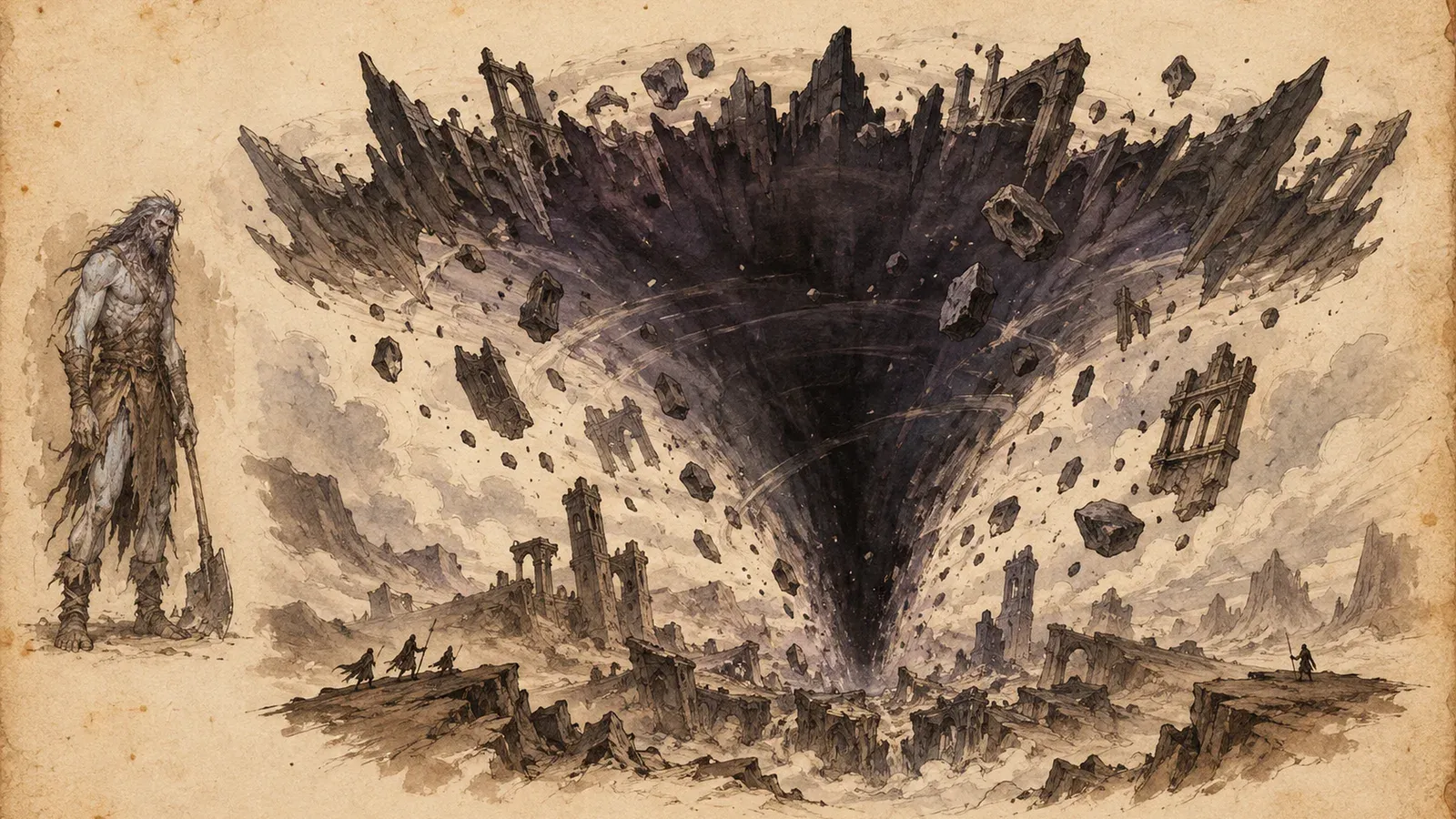

the Voidscourge
Maldreth was an ice troll grave-breaker and battle sorcerer. They made a cult from the promise that no prison, death or defeated body should ever remain beyond their power to violate. They became an inverted, toothed funnel of absence whose fractured rim consumes its own escaping matter. Their arts are conjuration, evocation and necromancy. Their duel with Lyriss broke the world, and still they worry at every boundary as though the wound were too narrow. They disturb the graves Thurenn tends, unable to endure a rest that refuses their command.
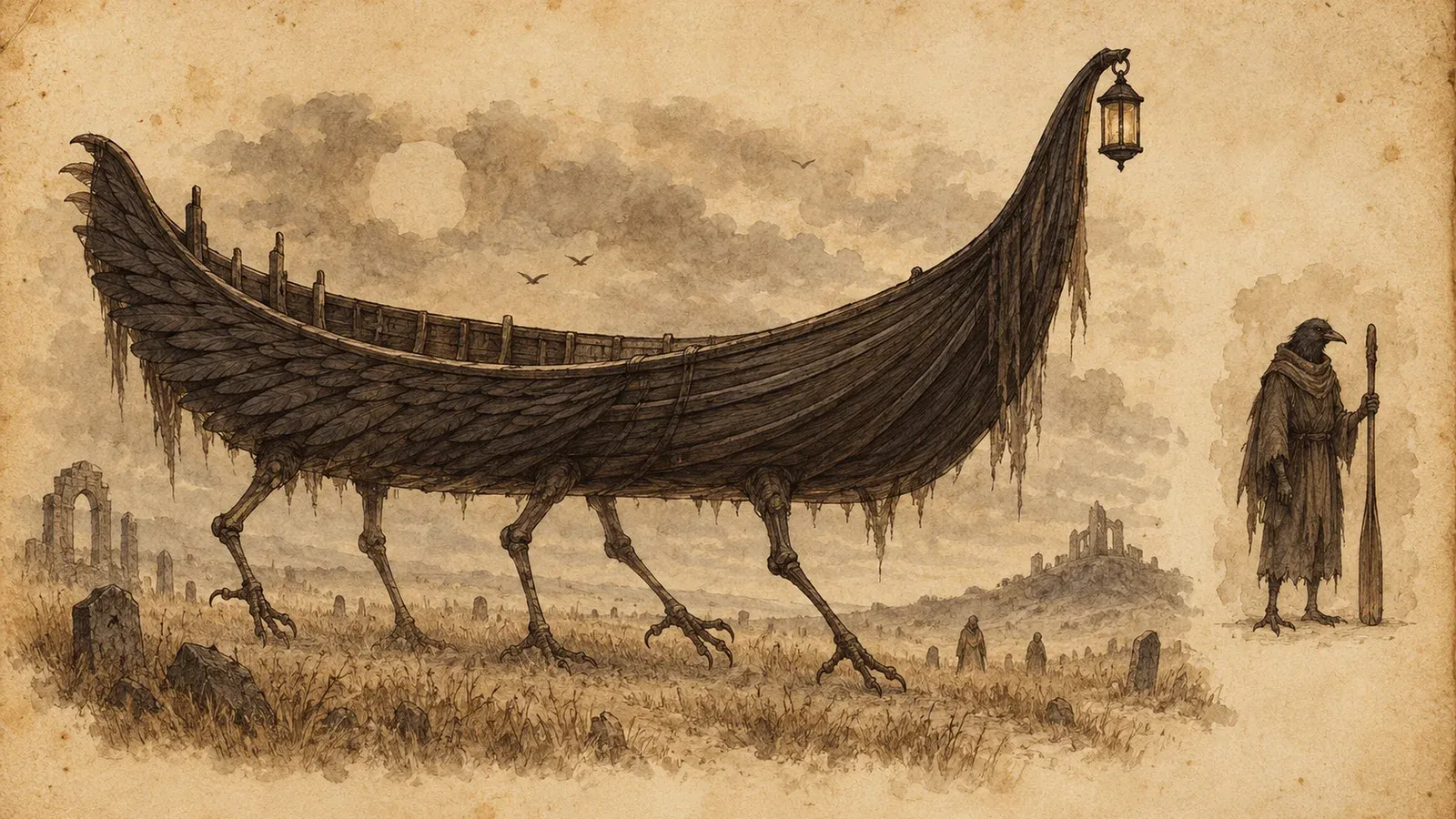

the Last Lantern
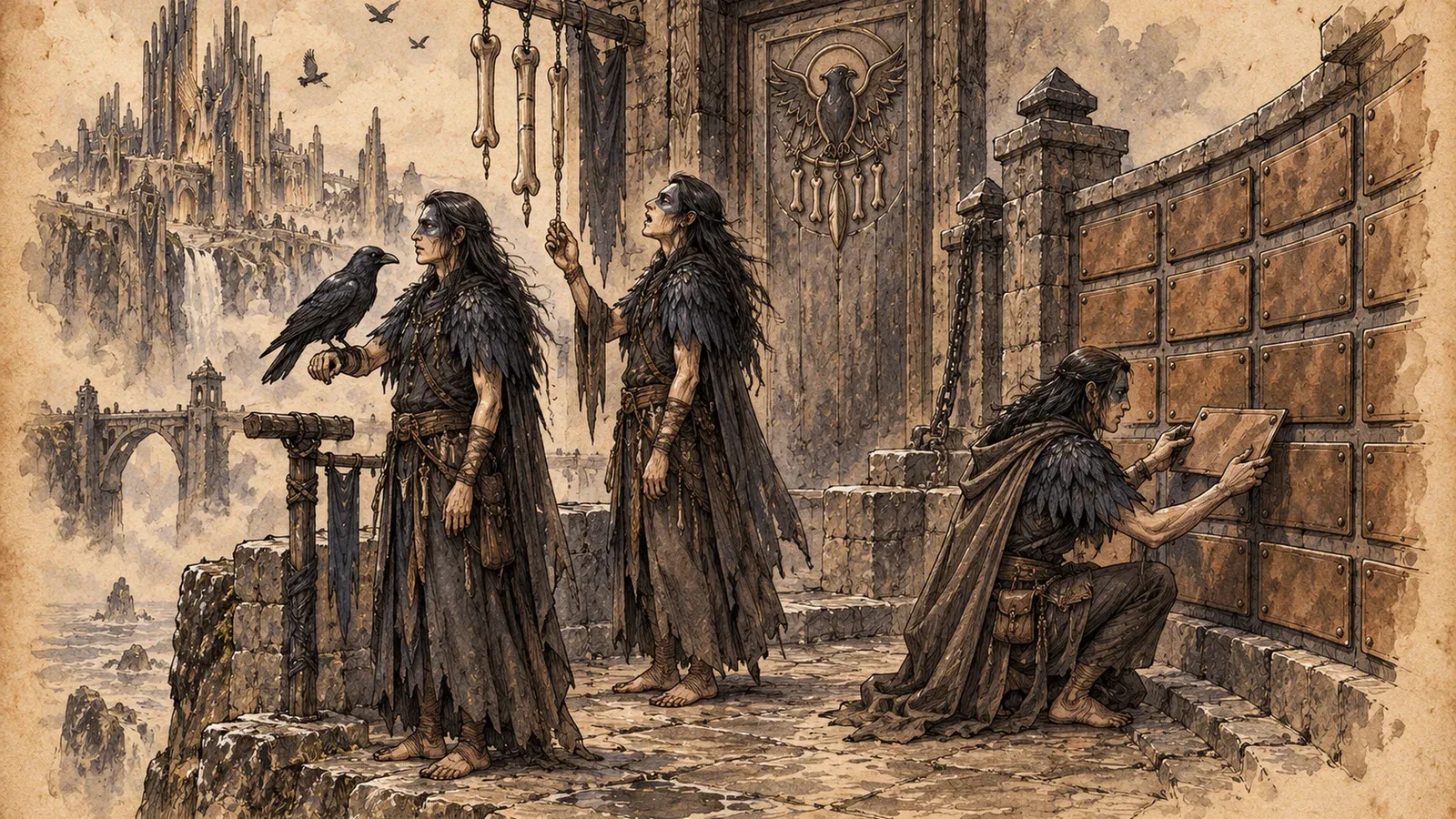
Thurenn was a Corvani funeral ferryman. He carried the dead of both sides home after a siege, refusing payment from any commander who demanded the other side be left behind. He became a long empty funeral boat walking on six slender bird legs, one enclosed lantern beneath its prow. He asks no mourner to purchase a kinder afterlife. Those who praise him for a timely death find the passenger seat empty and his lantern turned away. The dead deserve a journey home, not another master who finds them useful.
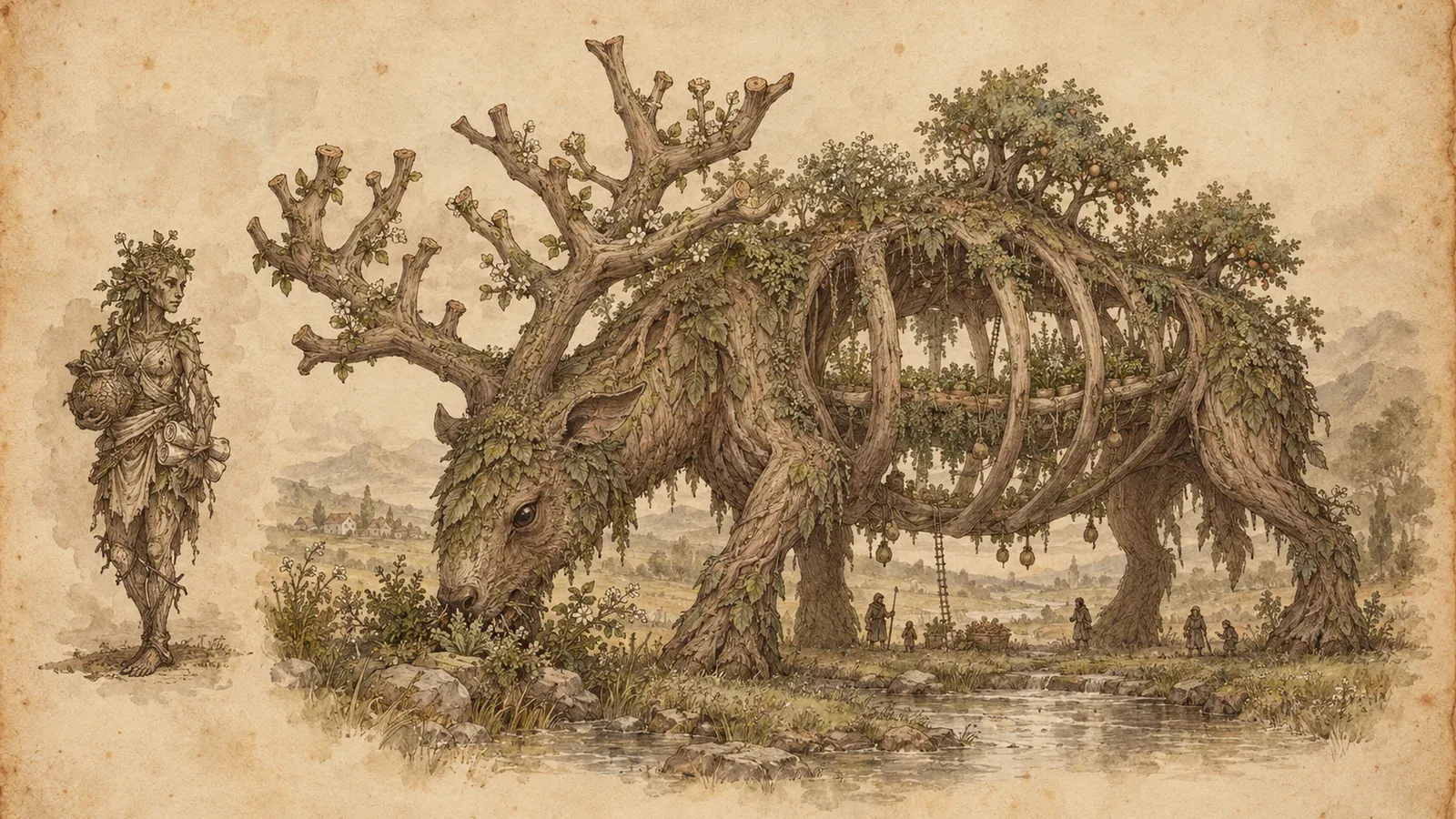

the Green Vigil
Ilvara was a thornling seed-keeper and field surgeon. She saved a village's last seed stock while treating the starving people tempted to eat it, accepting that care for tomorrow must feed today too. She became a great hollow-bodied browsing beast whose living ribs shelter a portable nursery. Her healers save seed beside salves and ask what will sustain a patient after the fever breaks. Farmers bring the first viable cutting, not the largest flower. She teaches that care for tomorrow fails when it abandons the hungry today.
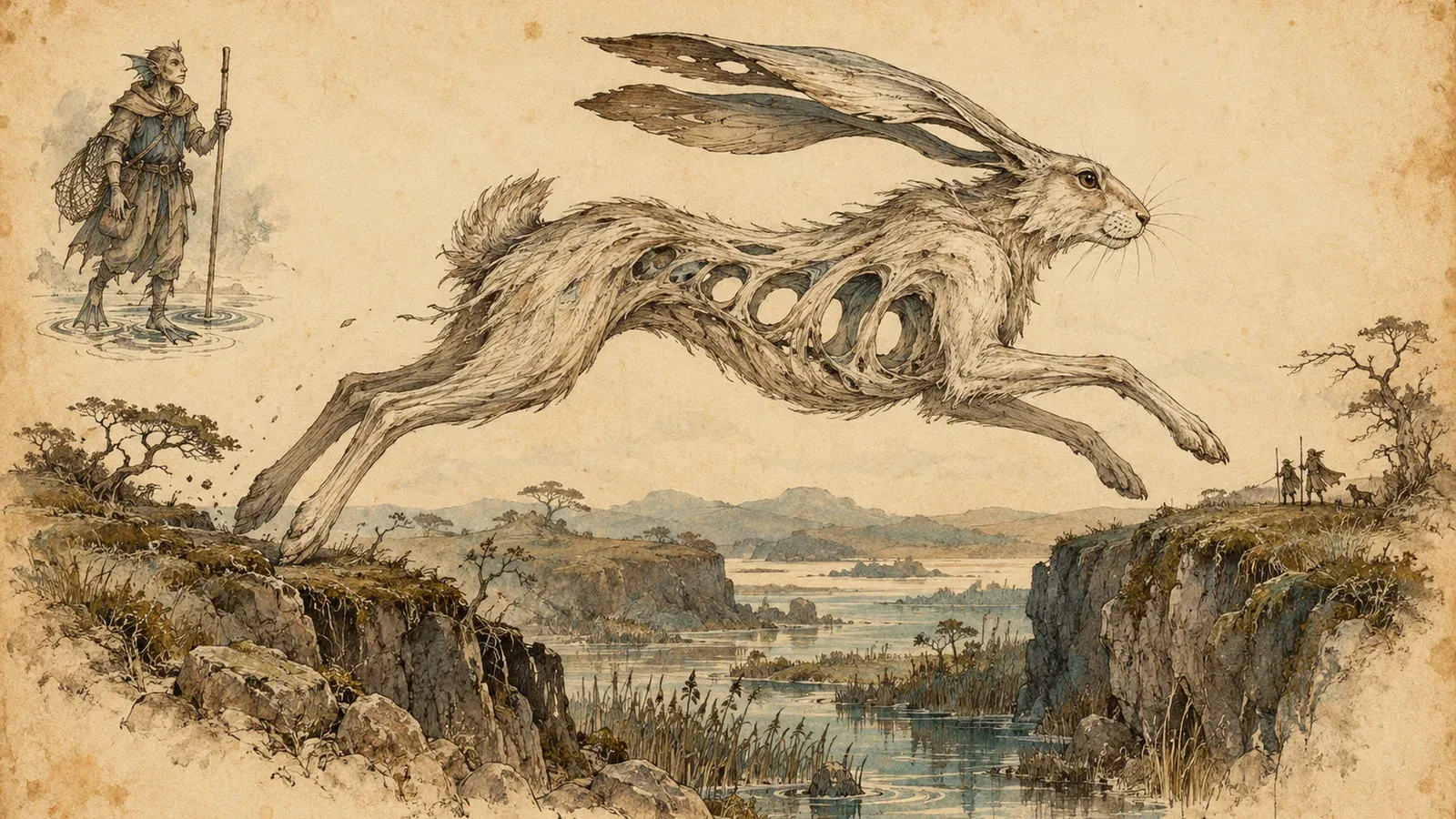

the Open Road
Tavris was a merfolk estuary guide and rescue courier. He charted an escape through drying channels and gave the map to those a harbour court had forbidden to leave. He became a long-legged hare of wind-worn driftwood and river mist, with open spaces through its chest. He asks each traveller how they intend to return. Estuary guides remember the shallow channels of his mortal life; now his followers chart reed pools, ravines and dry riverbeds. At a crossing he shows the next safe step and waits for the slowest to take it.
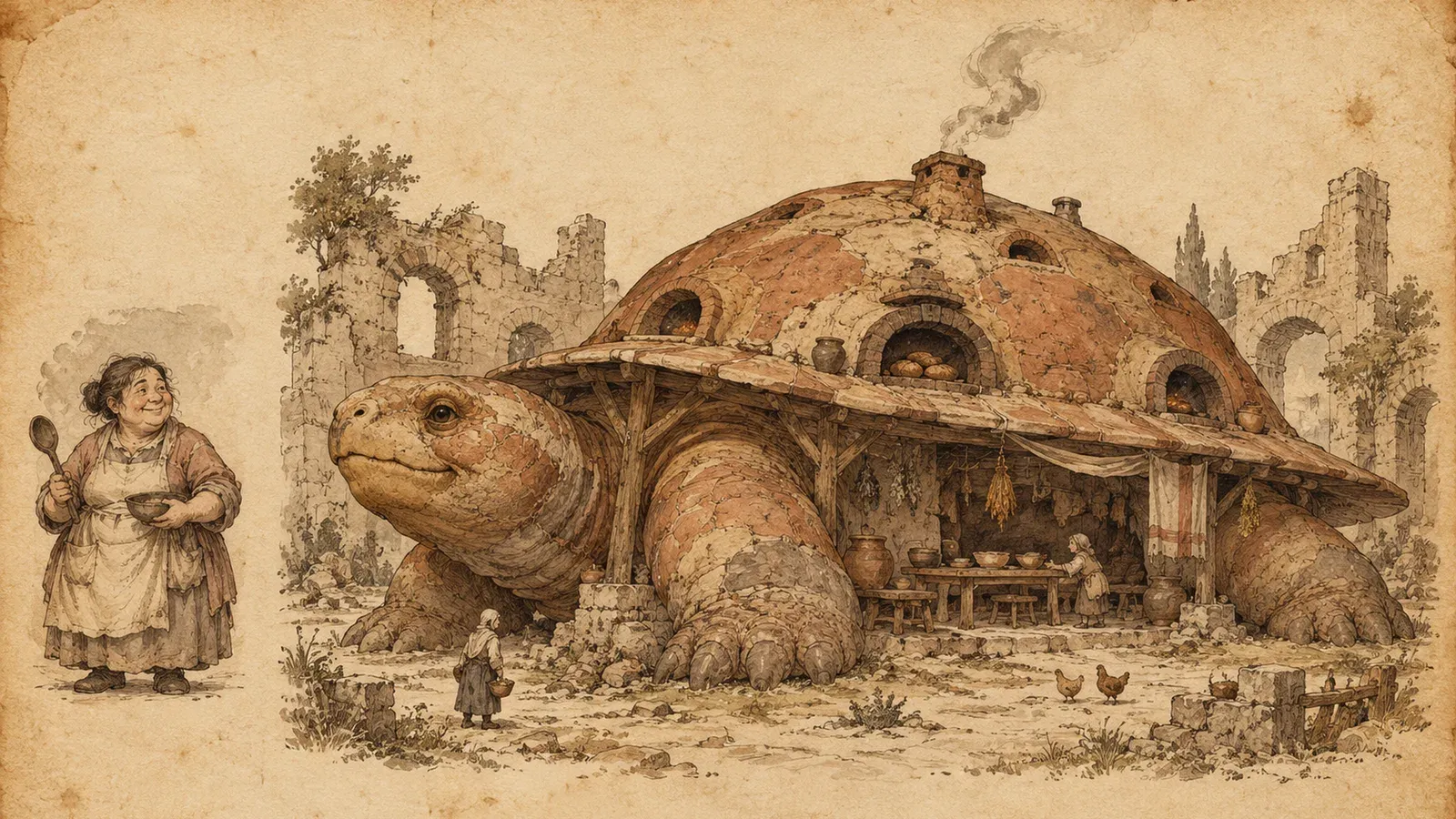

the Kept Flame
Brenhild was a halfling communal cook and foster teacher. She kept a school kitchen open through a winter siege, giving every unclaimed child a place before asking which household would take responsibility. She became a broad clay tortoise whose shell is a working hearth with a sheltered table beneath its rim. She remains a Kindled, close enough to ordinary work to insist that a meal served is more valuable than a prayer performed over an empty plate.
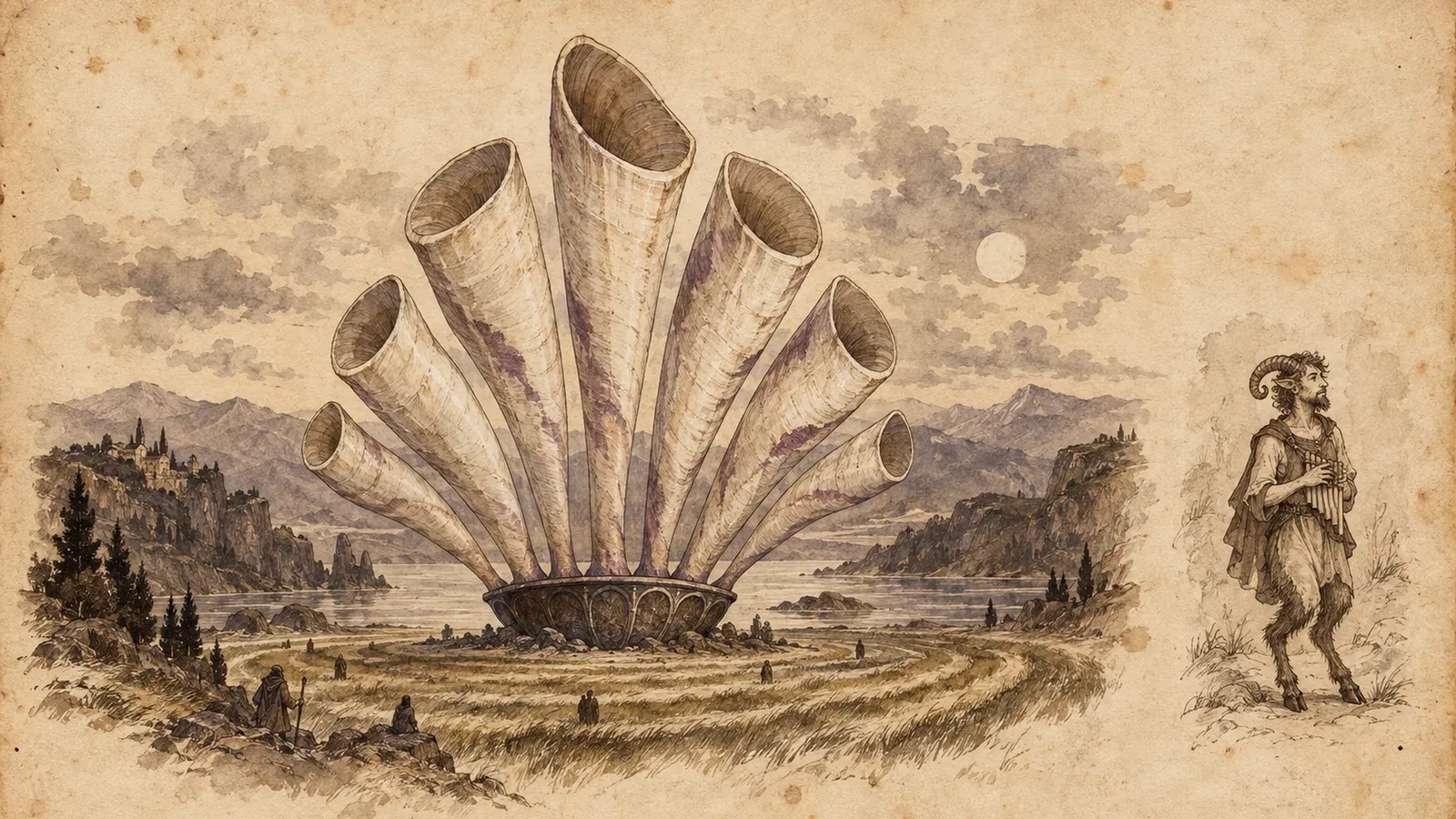

the Remembered Voice
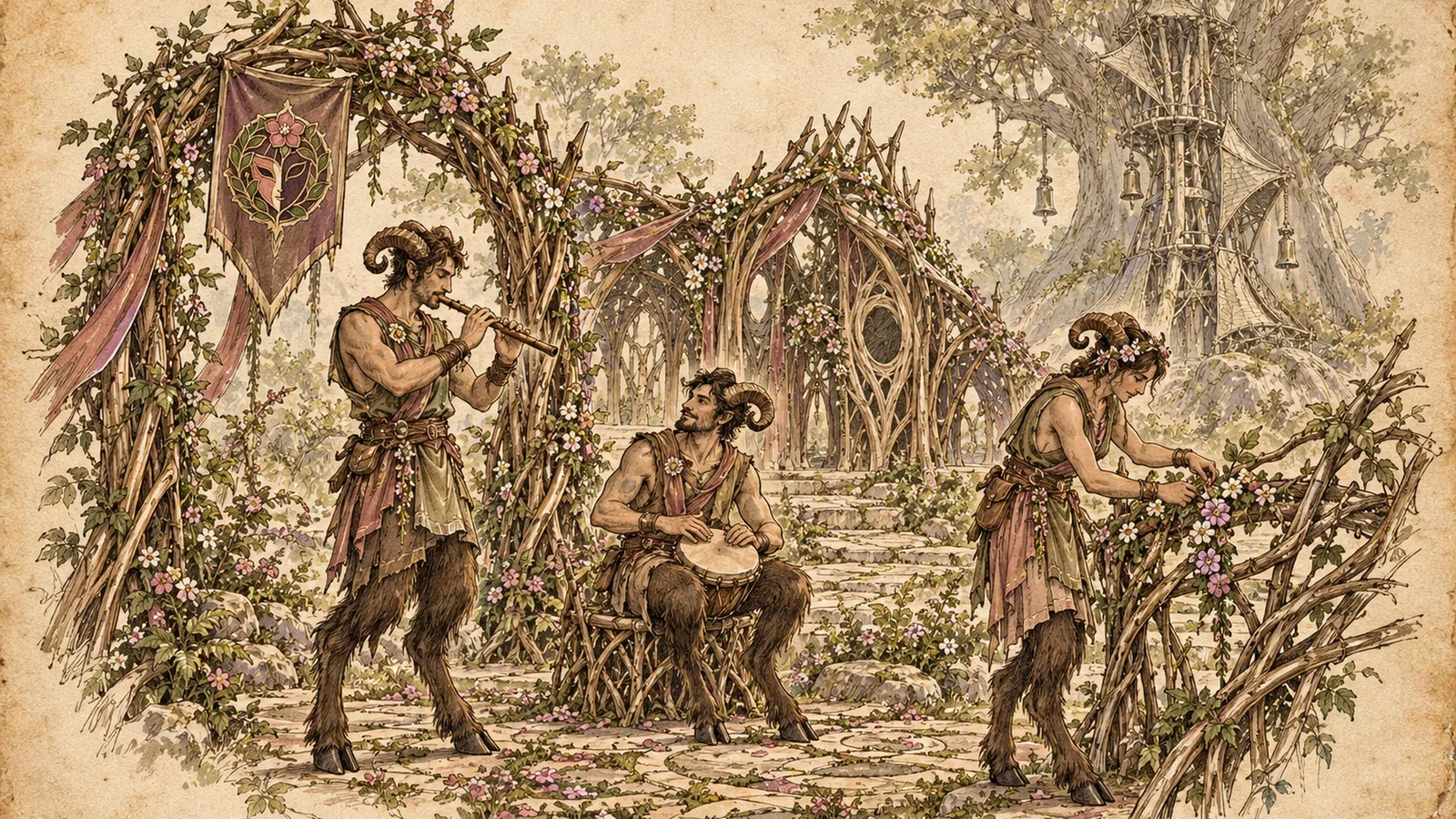
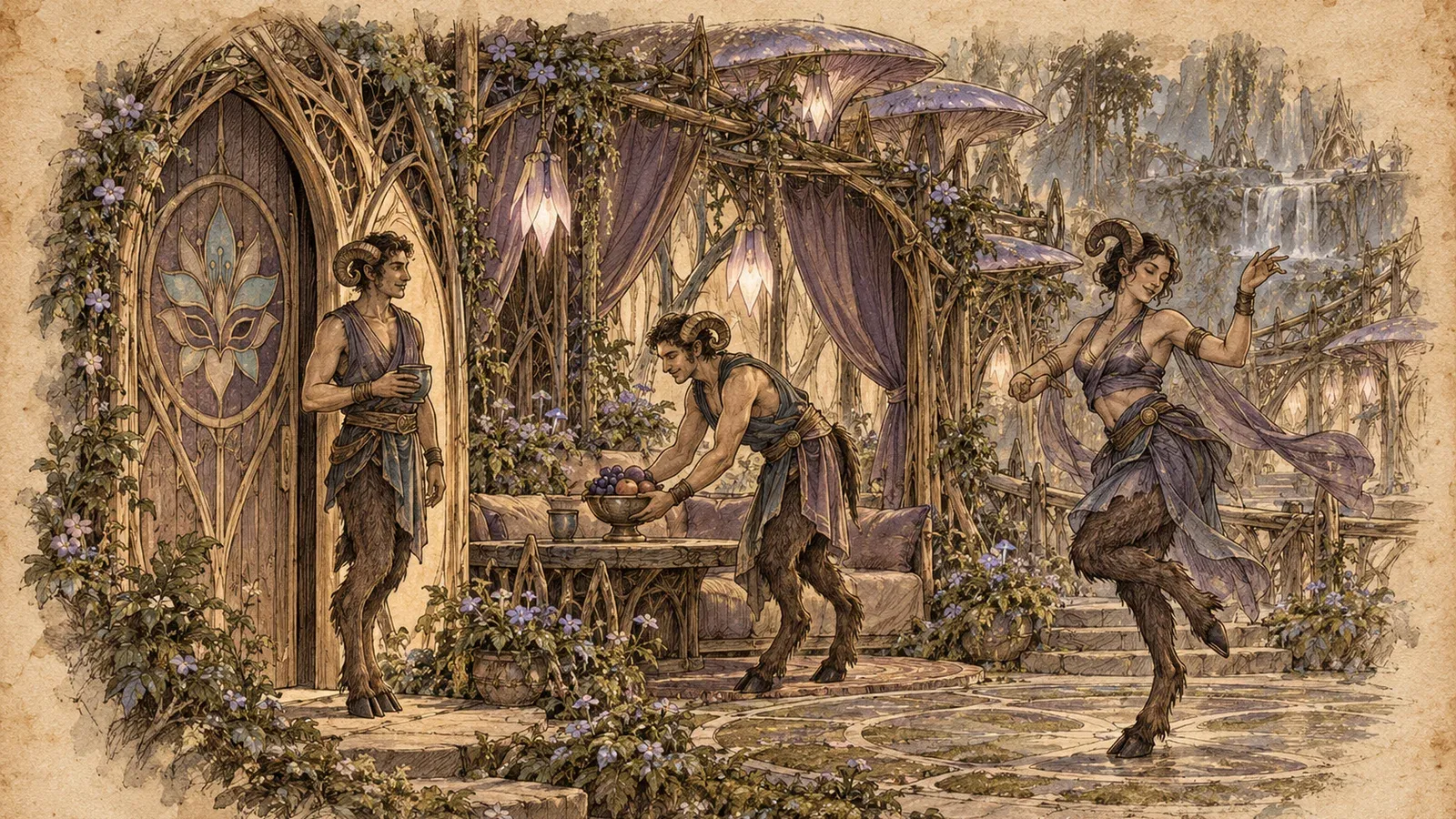
Enthea was a satyr travelling singer and oral archivist. She preserved a defeated people's accounts beside those of their conquerors, teaching both versions openly until witnesses could correct the song. She became a great vertical fan of hollow shell resonators whose changing intervals make one audible voice. A beautiful account earns no sanctuary from correction. Her singers ask a second witness and leave a silence where a name has burned away. Loremasters invoke her when recollection and desire are hardest to tell apart; no song alone restores what nobody can remember.
the Door in the Mountain
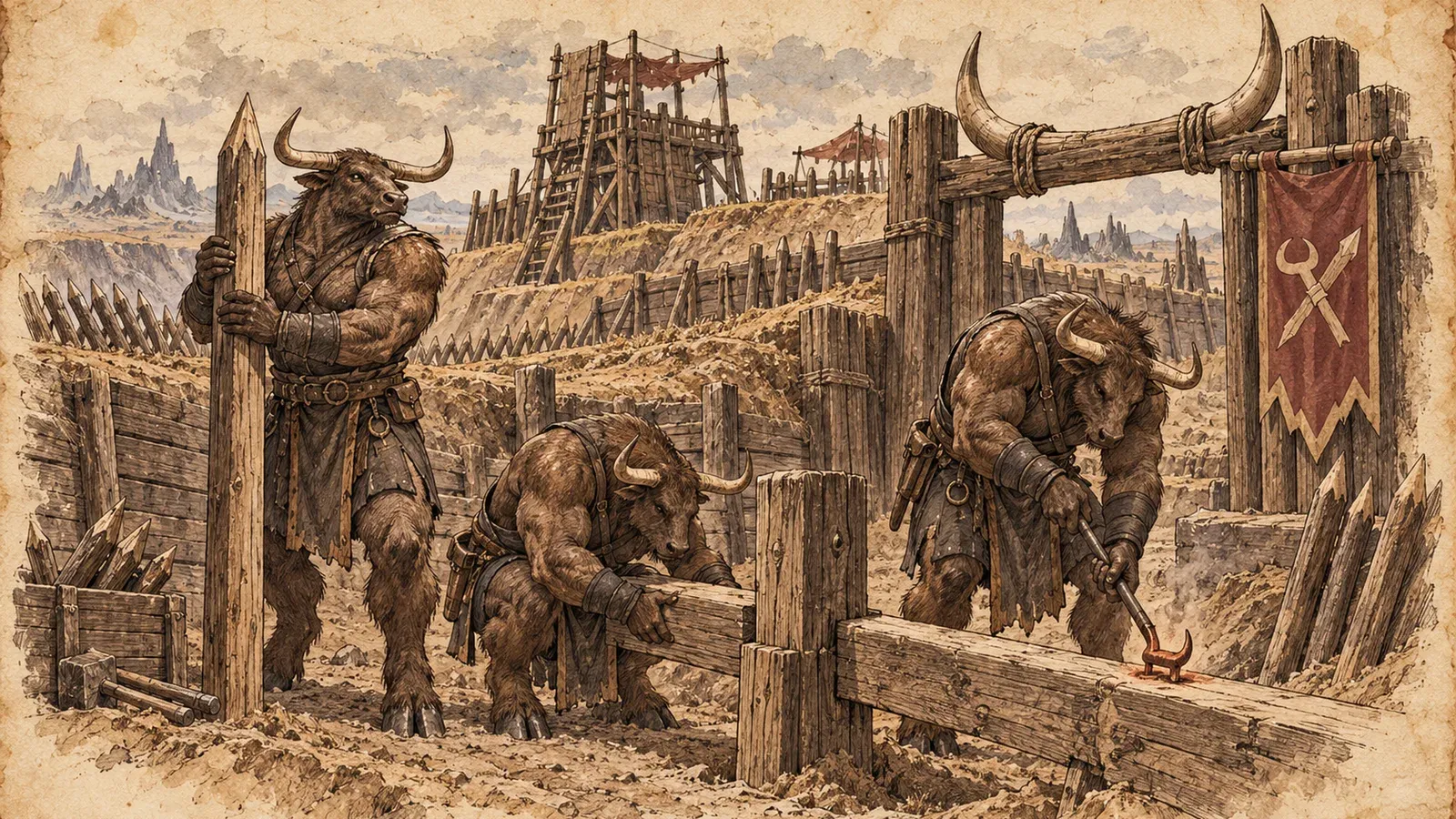
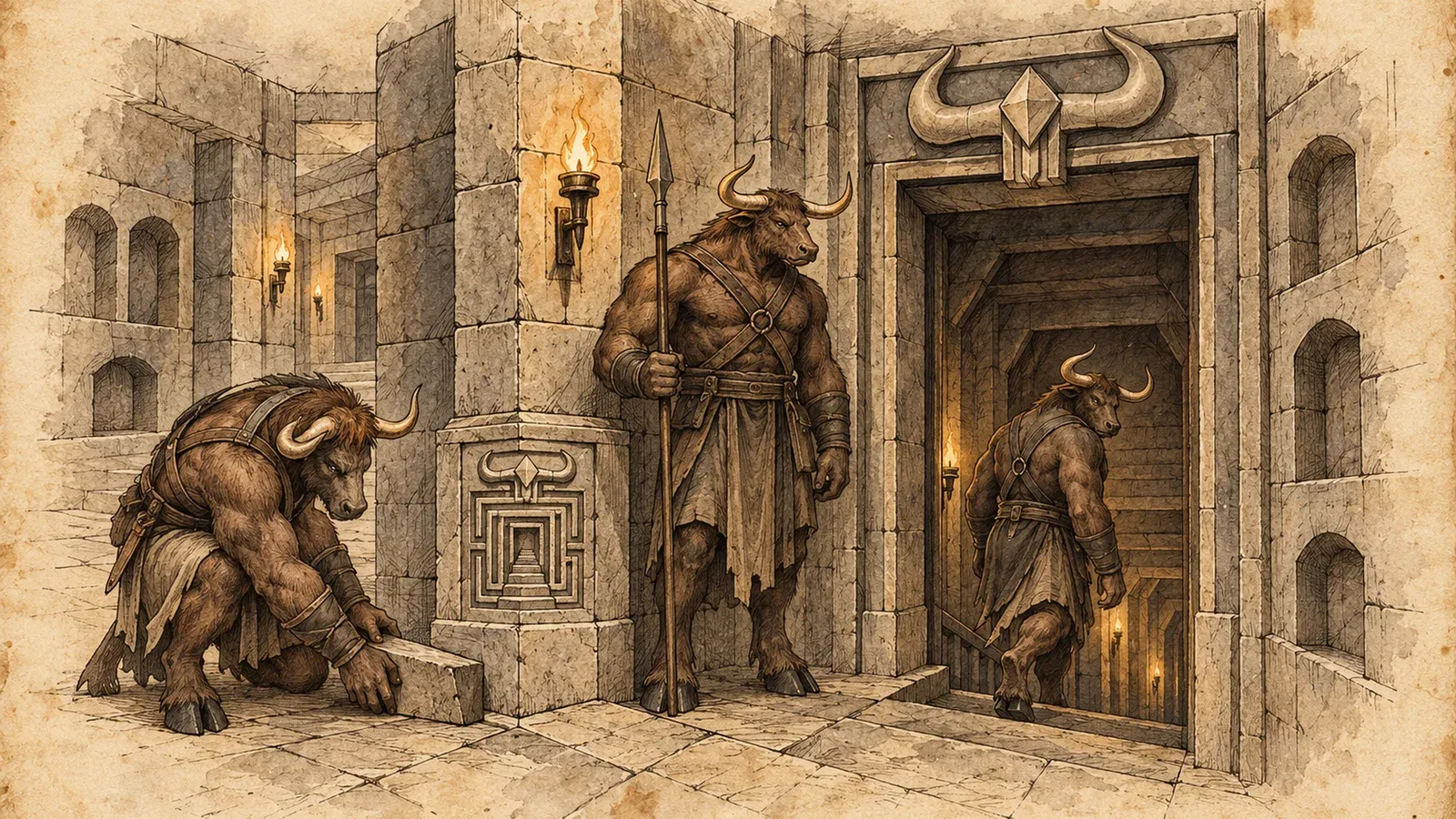
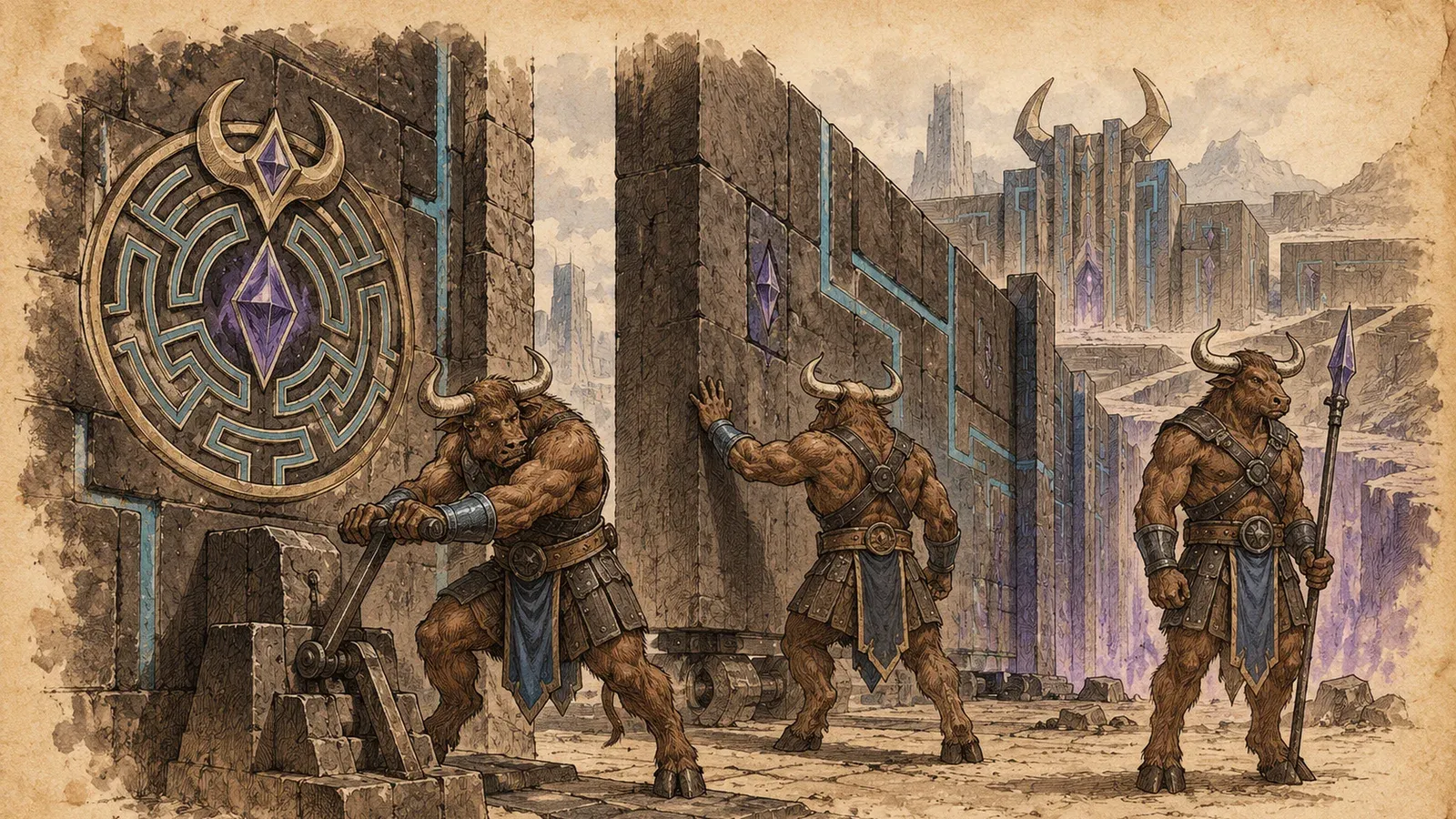
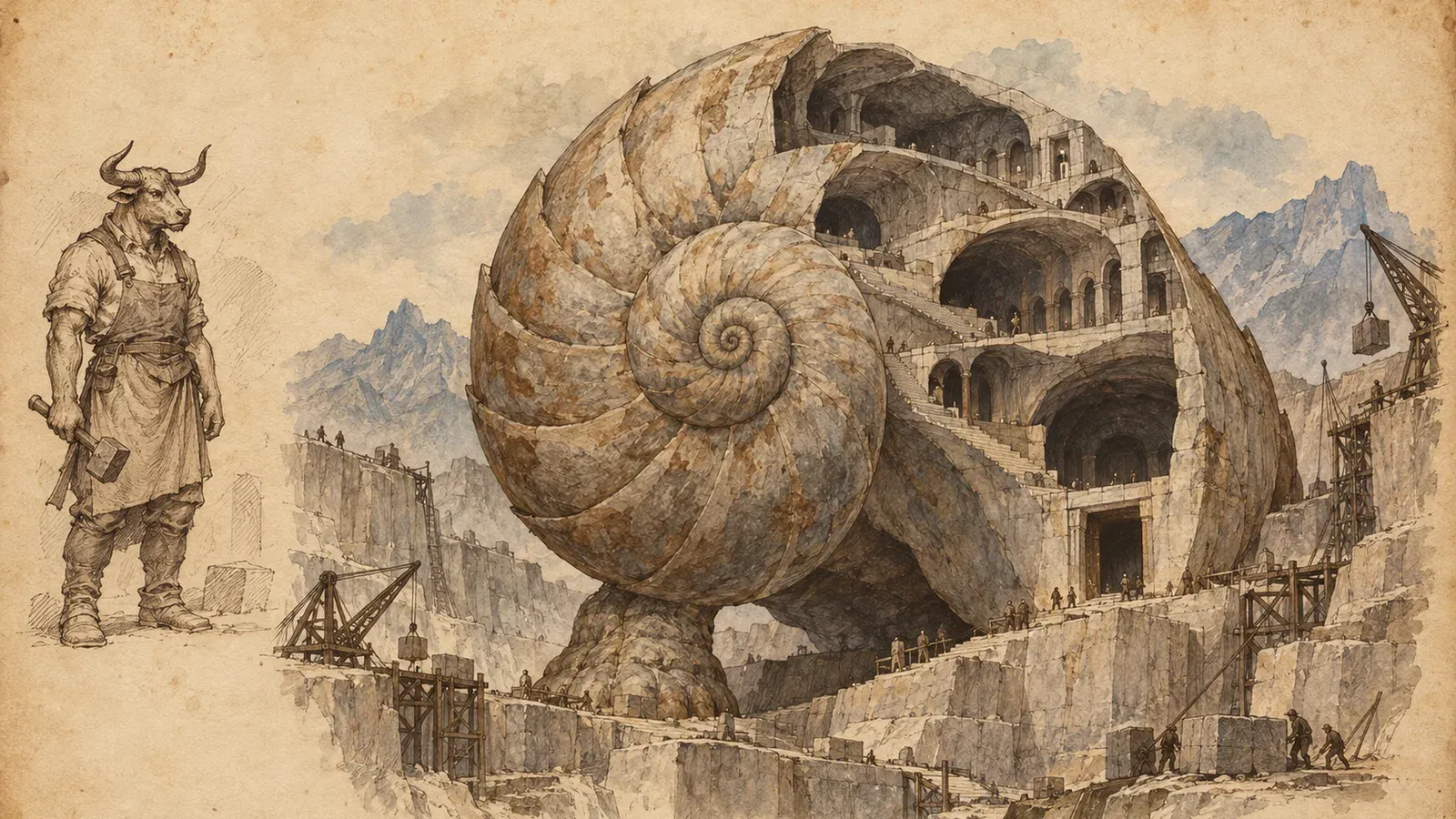
Dhorun was a minotaur mine-rescue mason and trial keeper. He rebuilt a lethal initiation maze so its tests taught the skills needed to return, then entered last to prove that a keeper must survive their own design. He became a great stone nautilus whose exposed chambers are stairs and habitable galleries. Miners, architects, monks and keepers of labyrinths repeat his charge: a trial owes the person tested a fair chance to learn. He inspects the return stair before the grand entrance. A keeper who conceals the only exit will hear his slow footfall below.
the Whole Kill
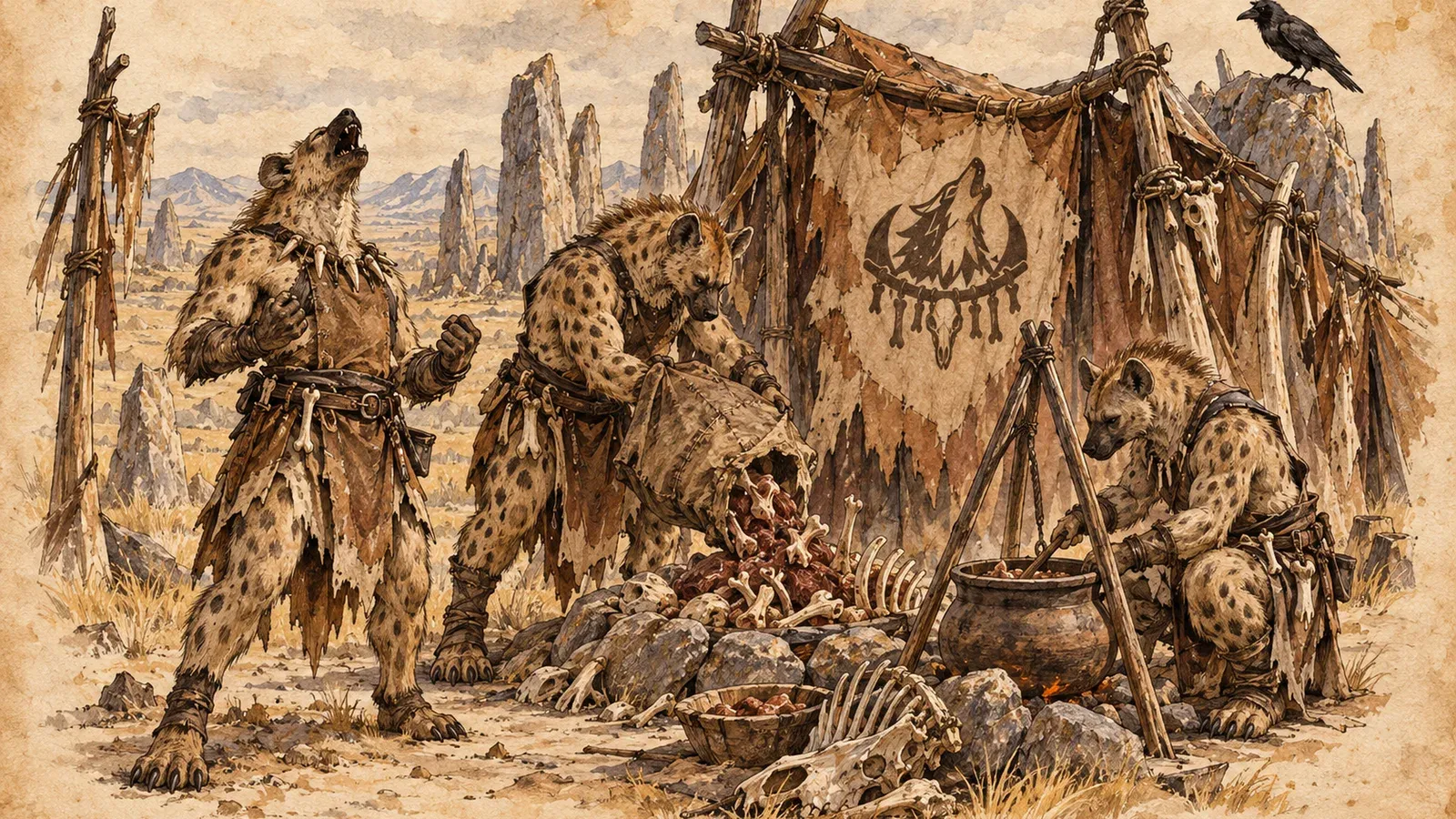
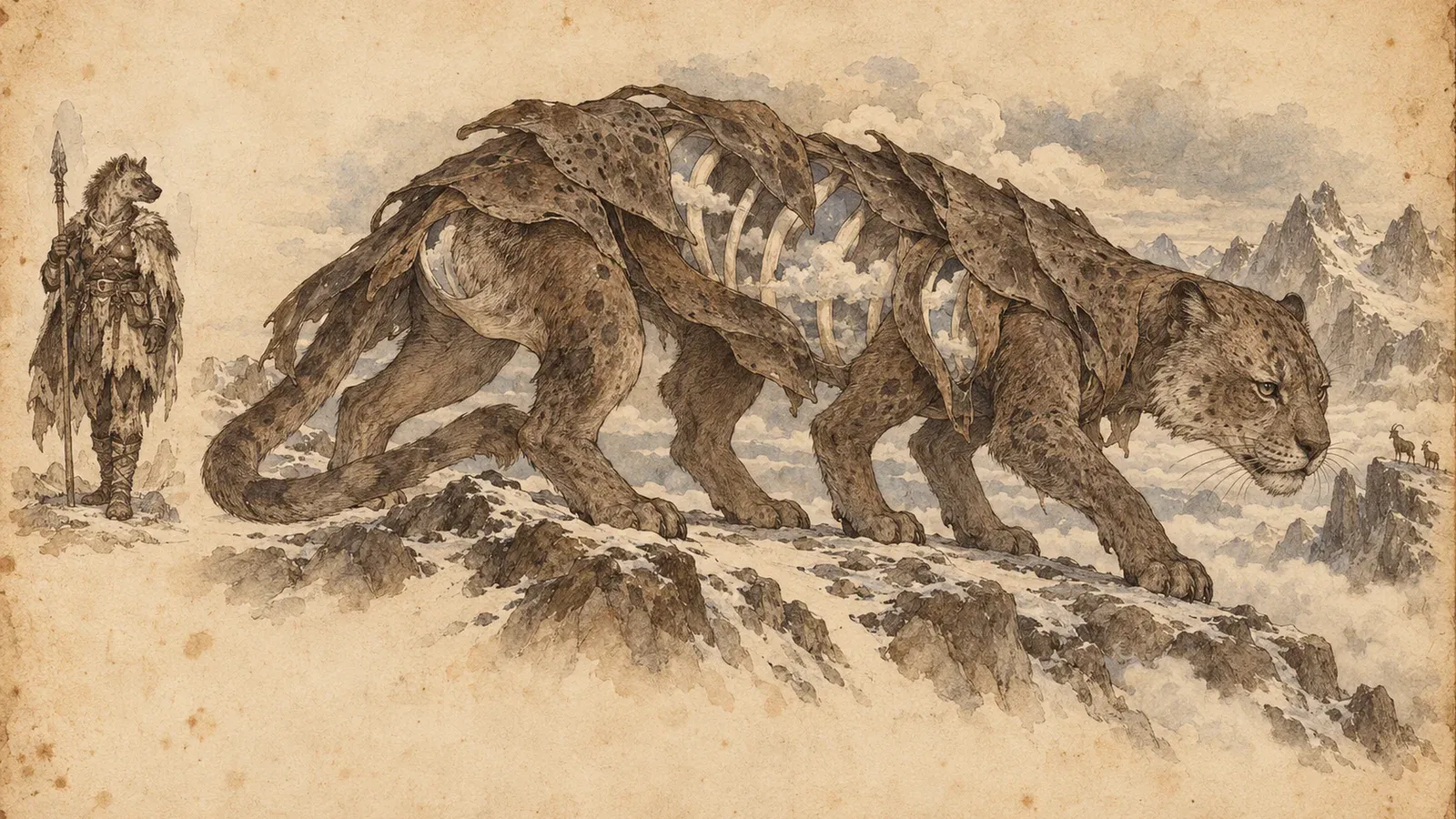
Heshra was a Howlkin hunter, furrier and herd keeper. She led a starving pack away from an easy captive herd, rationed the skins and meat of its own failed hunts, and taught it to survive without destroying next season's prey. She became a great six-legged stalking cat whose hide lifts in overlapping, living panels to reveal pale bone and moving weather beneath. Hunters lay repaired hides before her and account for every part of the catch. Her followers dispute how much a hungry pack may take, but none earns her respect by wasting the answer. The lean season is no excuse to destroy the next.

the Open Measure
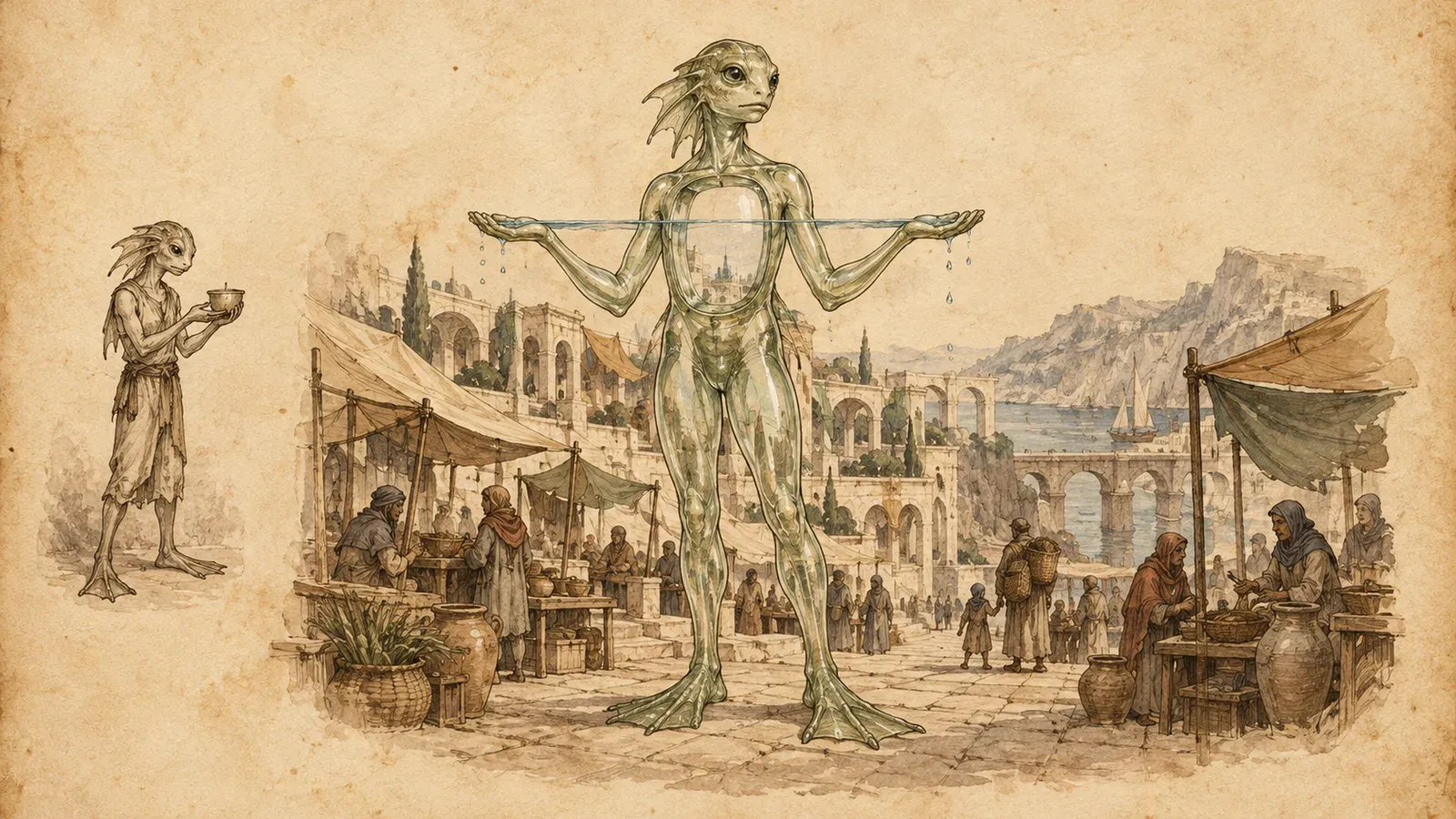
Paskel was a Reedkin water assessor and market mediator. They published the reservoir measure during a ration crisis, including their own household's excess, and made every claimant use the same visible cup. They became a small translucent reed-bodied figure with an empty glass measuring chamber where the heart had been. They are not a god of limitless abundance. Their difficult answer is that an honest shortage is still a shortage, and deciding how to share it remains mortal work.
the Lesson of Iron
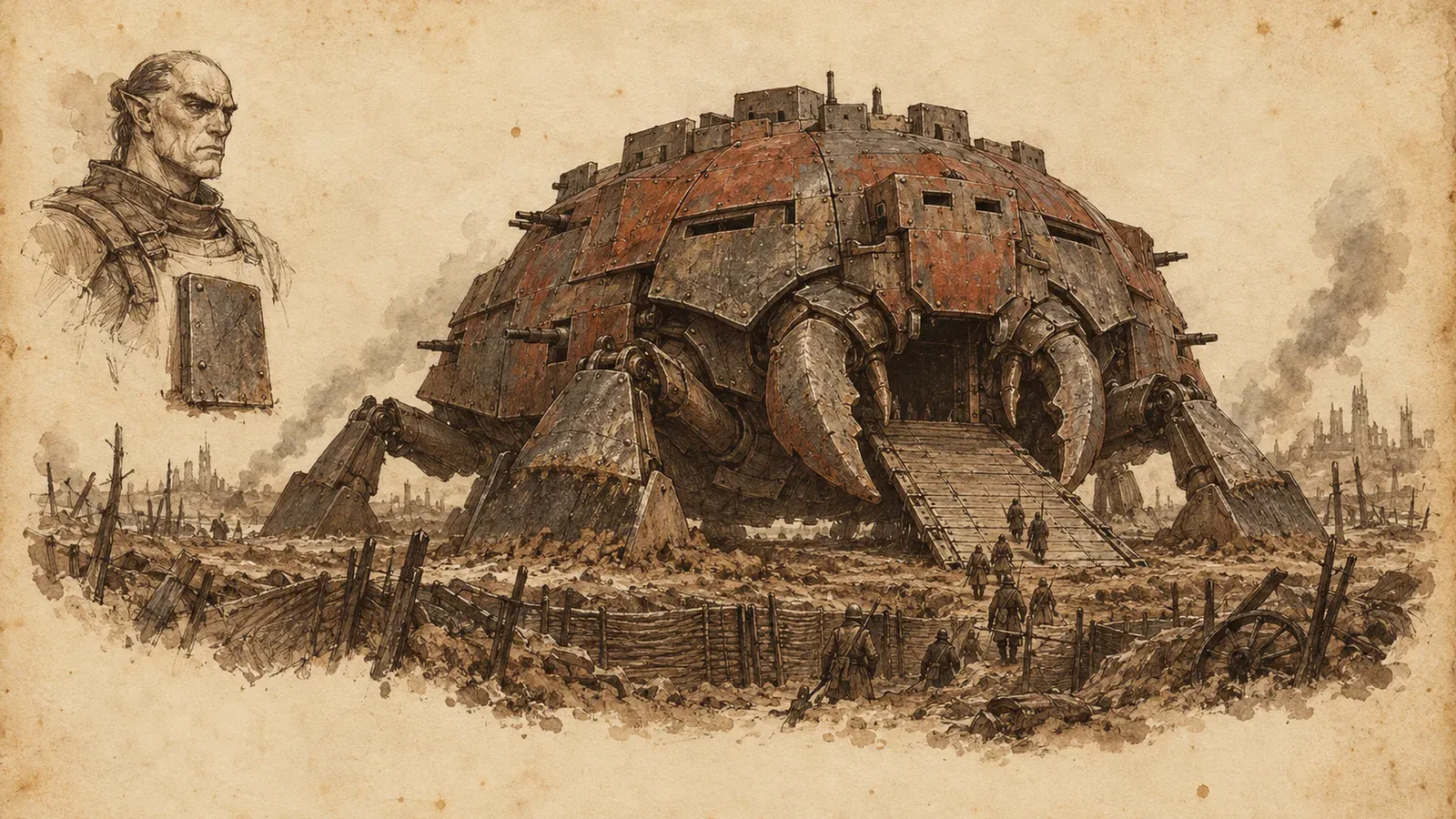
Ruvask was a hobgoblin siege examiner. He made promotion depend on surviving his own fortification trials, then sold the system to rulers who wanted obedience to look like merit. He became a squat iron beetle with a working redoubt for a carapace and a folding breach ramp beneath its head. His followers call hardship impartial and price admission to the narrow exit. He gives excellent advice about stone and iron, then asks who will be shut behind them. Those who purchase his fortifications discover that sound workmanship can serve an unsound mercy.

the Hungry Crown
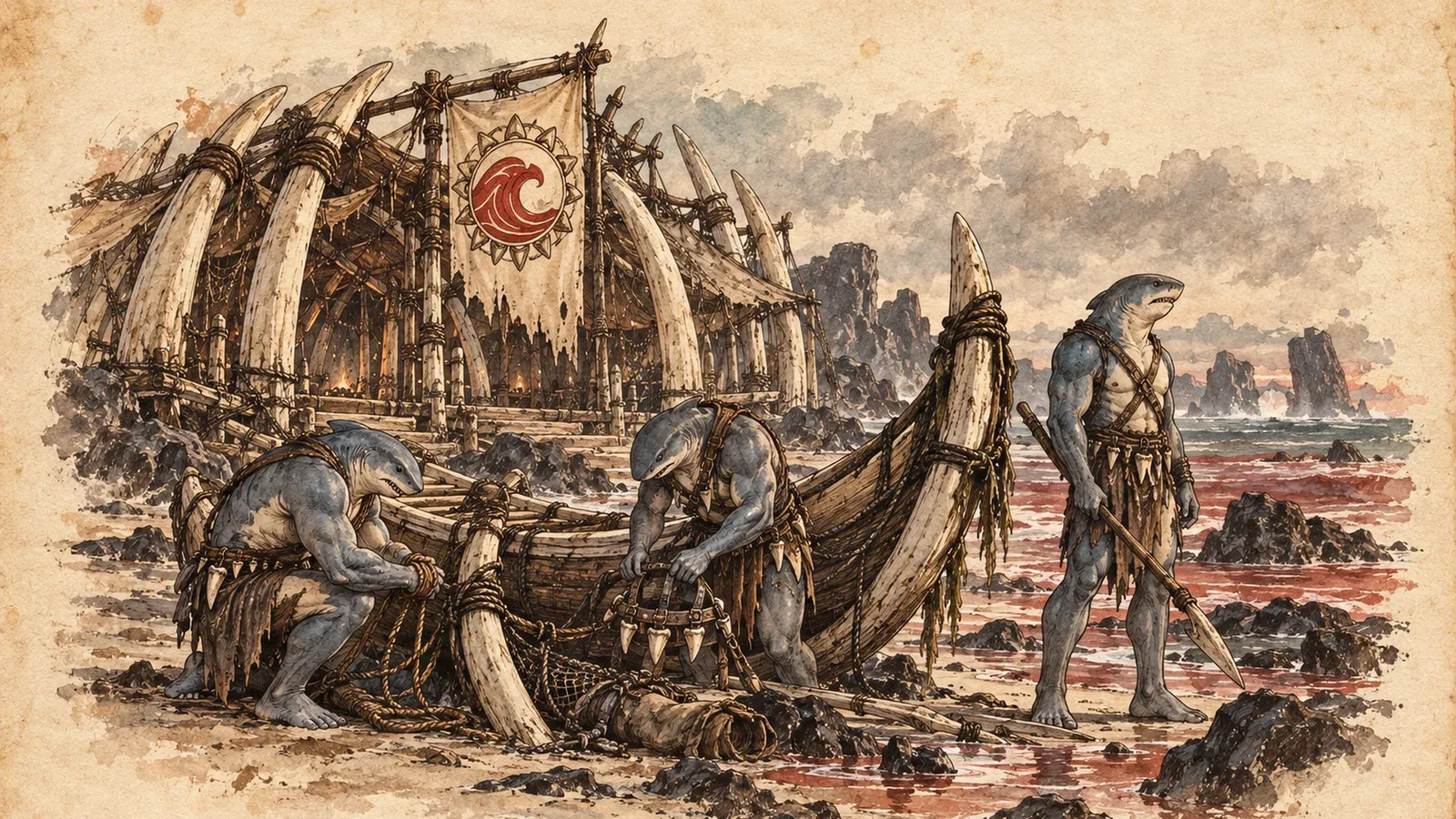
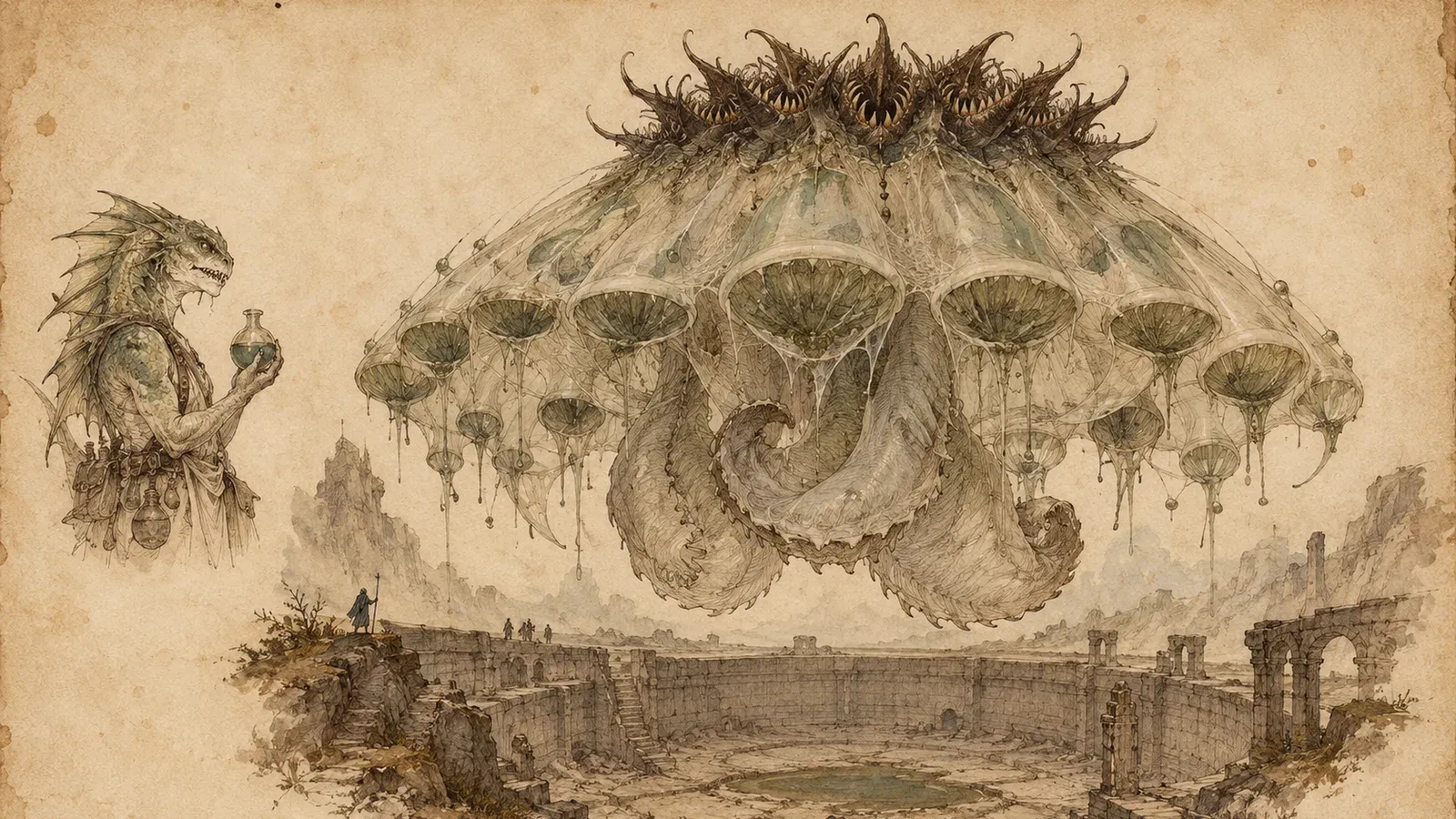
Naskorra was a Brinefang trench apothecary and ration master. She learned to keep a besieged population alive on a remedy only she could supply, then made the sickness last as long as their obedience. She became a huge inverted jelly-bell of pale feeding cups, its crown a cluster of thorned black mouths. Her followers need not worship random destruction. They want the world hungry enough to bargain with, which brings her into eventual conflict even with her ally Maldreth.